
















:quality(85):upscale()/2026/03/16/901/n/1922398/7098afdb69b86a52587585.46389067_.jpg)
:quality(85):upscale()/2025/08/14/650/n/1922283/470aeb83689df49cdc1bb6.14084110_.jpg)
:quality(85):upscale()/2023/10/03/668/n/1922283/1f15c8a9651c2d209e5eb5.32783075_.jpg)
:quality(85):upscale()/2025/09/09/891/n/1922283/7222624268c08ccba1c9a3.01436482_.png)
:quality(85):upscale()/2023/09/18/918/n/1922398/a1136b676508baddc752f5.20098216_.jpg)











Understanding Gum Disease: Prevention, Treatment, and the Role of Regular Dental Care
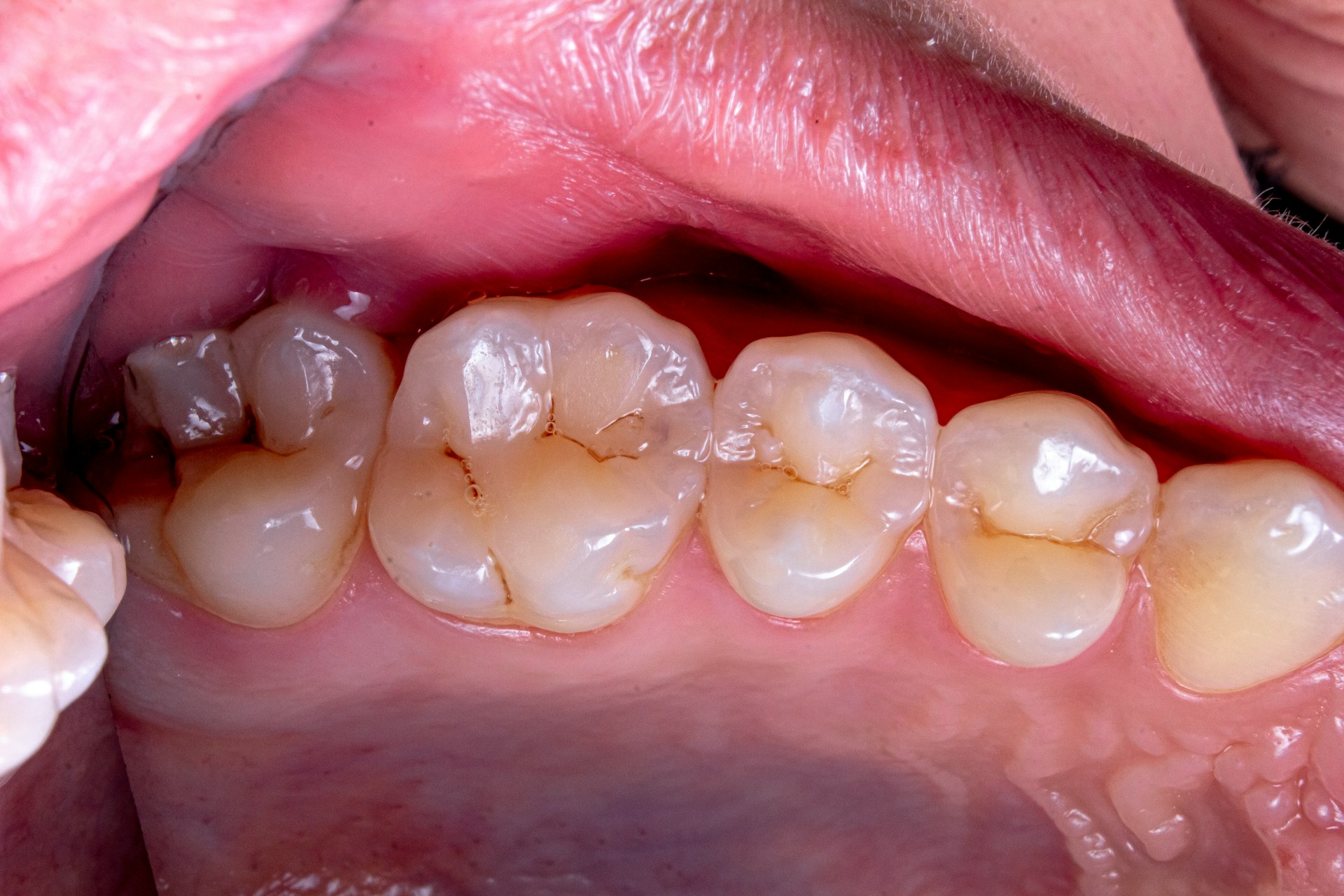
Your oral health is a critical component of your overall well-being, yet it is often overlooked until a problem arises. One of the most common and serious oral health issues is gum disease, also known as periodontal disease. This condition affects millions of adults and can range from simple gum inflammation to a severe infection that results in tooth loss. The good news is that gum disease is largely preventable and treatable, especially when caught in its early stages. Understanding the causes, recognizing the symptoms, and committing to a proactive oral hygiene routine are the keys to keeping your gums healthy and your smile bright. This guide will provide you with a comprehensive overview of gum disease treatment, from prevention strategies to advanced therapeutic options, highlighting the indispensable role of regular dental care in maintaining a lifetime of oral health.
The Silent Progression of Gum Disease: From Gingivitis to Periodontitis
Gum disease begins with the buildup of plaque, a sticky film of bacteria that constantly forms on your teeth. If plaque is not removed daily through brushing and flossing, it can harden into tartar, also known as calculus. Tartar is much more difficult to remove and can only be eliminated with a professional dental cleaning. The bacteria in plaque and tartar produce toxins that irritate the gums, causing them to become inflamed and swollen. This initial stage of gum disease is called gingivitis. The most common signs of gingivitis are red, puffy gums that bleed easily when you brush or floss. At this stage, the disease is completely reversible with a combination of professional dental care and a diligent at-home oral hygiene routine.
If gingivitis is left untreated, it can advance to a more serious stage called periodontitis. In periodontitis, the inflammation spreads below the gum line, causing the gums to pull away from the teeth and form pockets. These pockets become infected, and the body’s immune system fights the bacteria as the plaque spreads and grows below the gum line. The toxins produced by the bacteria and the body’s own inflammatory response start to break down the bone and connective tissue that hold the teeth in place. As the disease progresses, the pockets deepen, and more gum tissue and bone are destroyed. This can lead to loose teeth and, eventually, tooth loss. The progression of periodontitis is often slow and painless, which is why it is often referred to as a “silent” disease. This makes regular dental exams even more crucial for early detection and intervention.
The Cornerstones of Prevention: A Proactive Approach to Gum Health
Preventing gum disease is always preferable to treating it. The foundation of prevention is a consistent and thorough at-home oral hygiene routine. This means brushing your teeth at least twice a day with a fluoride toothpaste and a soft-bristled toothbrush. It is important to brush for a full two minutes, making sure to clean all surfaces of your teeth, including the hard-to-reach areas in the back of your mouth. Flossing daily is equally important, as it is the only way to remove plaque and food particles from between your teeth and under the gum line, where your toothbrush cannot reach. If you find traditional flossing difficult, there are other options available, such as interdental brushes, water flossers, and floss picks.
In addition to your daily cleaning routine, your lifestyle choices can also have a significant impact on your gum health. A balanced diet that is low in sugar and high in nutrients is beneficial for your entire body, including your gums. Smoking is one of the most significant risk factors for developing gum disease. It weakens your immune system and makes it harder for your gums to heal. If you are a smoker, quitting is one of the best things you can do for your oral and overall health. Finally, regular dental checkups are an essential part of preventing gum disease. Even with the most diligent at-home care, it is impossible to remove all the plaque and tartar from your teeth. A professional cleaning will remove this buildup and give your dentist an opportunity to screen for the early signs of gum disease. A trusted dental practice, such as Lernor Family Dental, can be your partner in maintaining optimal gum health.
Professional Gum Disease Treatment: Restoring Your Oral Health
If you are diagnosed with gum disease, there are a variety of effective treatment options available. The type of treatment you receive will depend on the severity of the disease. For early-stage gingivitis, a professional cleaning and improved at-home care are often all that is needed to reverse the condition. For more advanced periodontitis, a deeper cleaning procedure called scaling and root planing is typically the first line of defense. During this procedure, the dentist or hygienist will numb the area and remove the plaque and tartar from above and below the gum line (scaling). They will then smooth out the root surfaces (planing) to help the gums reattach to the teeth and prevent bacteria from accumulating in the future.
In some cases, scaling and root planing may be combined with antibiotic therapy to help control the infection. This may involve placing an antibiotic directly into the periodontal pockets or prescribing an oral antibiotic. If the disease is very advanced and does not respond to non-surgical treatment, periodontal treatment may be necessary. There are several types of surgical procedures that can be performed to restore the health of your gums and bone. Pocket reduction surgery, also known as flap surgery, involves lifting the gums back to remove the tartar and then suturing them back in place so they fit snugly around the tooth. This reduces the depth of the pockets and makes it easier to keep the area clean. Other surgical options include bone grafts to regenerate lost bone and soft tissue grafts to cover exposed roots and reinforce thin gums.
The Importance of Regular Dental Checkups for Long-Term Success
After you have completed your gum disease treatment, it is crucial to commit to a long-term maintenance plan to prevent the disease from recurring. This will involve more frequent professional cleanings, typically every three to four months. These maintenance visits are essential for keeping the plaque and tartar under control and for monitoring the health of your gums. Your dentist and hygienist will also provide you with personalized recommendations for your at-home care routine to ensure you are cleaning as effectively as possible. A regular dental checkup is your best defense against the return of gum disease.
The connection between oral health and overall health is well-established. The bacteria that cause gum disease can enter the bloodstream and contribute to a variety of other health problems, including heart disease, stroke, diabetes, and respiratory infections. By taking care of your gums, you are not only protecting your teeth but also investing in your overall well-being. A healthy smile is a sign of a healthy body, and it all starts with a commitment to proactive oral care. By partnering with a dedicated dental team and making your oral health a priority, you can enjoy the benefits of a beautiful and healthy smile for a lifetime.
The post Understanding Gum Disease: Prevention, Treatment, and the Role of Regular Dental Care appeared first on Entrepreneurship Life.