







:quality(85):upscale()/2026/04/10/039/n/1922283/cb3481e569d98e495097f0.31125477_.jpg)
:quality(85):upscale()/2026/03/16/901/n/1922398/7098afdb69b86a52587585.46389067_.jpg)
:quality(85):upscale()/2025/08/14/650/n/1922283/470aeb83689df49cdc1bb6.14084110_.jpg)
:quality(85):upscale()/2023/10/03/668/n/1922283/1f15c8a9651c2d209e5eb5.32783075_.jpg)
:quality(85):upscale()/2025/09/09/891/n/1922283/7222624268c08ccba1c9a3.01436482_.png)









UN secretary general says he’s cooperating with Trump’s Board of Peace in Gaza but doesn’t want it in Hormuz
BRUSSELS — United Nations Secretary General António Guterres is defending the U.N.’s role as the world’s multilateral organization for responding in times of crisis, but acknowledges he is cooperating “actively” with President Donald Trump’s rival Board of Peace in Gaza — even though Guterres brands the board “a personal project” of the U.S. president.
In an exclusive interview with POLITICO this week, Guterres said he welcomed the Board’s aim of funding and delivering the basics of a Gaza reconstruction plan to rebuild Palestinian homes and infrastructure. “There is an objective there that was defined, approved by the Security Council, and we are cooperating actively with structures created by the Board of Peace,” Guterres said.
But he questioned the wider ambitions of the organization, which Trump described as an alternative to “failed” international institutions when he launched it in September 2025, declaring himself chairman for life of what he asserted could “prove to be the most consequential international body in history.”
Permanent membership requires a $1 billion contribution. Many key democracies such as the U.K., Canada, France and Germany have stayed away while Russia and China have so far declined to join, leaving membership to a motley group of member states including Belarus and Azerbaijan. In January Trump withdrew an invitation to Canada to join after a spat with America’s northern neighbor.
Guterres said that beyond the Gaza reconstruction plan, he saw no need for Trump’s board. “Everything else now is a personal project of President Trump, in which he has full control of everything,” he noted. “This is not the effective way to address the dramatic problems that we have now. We need to be clear about international law, to be clear about the values of the Charter of the United Nations. That is essential in any peace initiative.”
The remarks came as Guterres visited Brussels during a meeting of the European Council that was largely focused on the Iran war. Asked if he had spoken with Trump since the start of the Iran crisis, Guterres emphatically replied, “No, no, no” — although he said that he speaks to others in the administration, but would not disclose who.
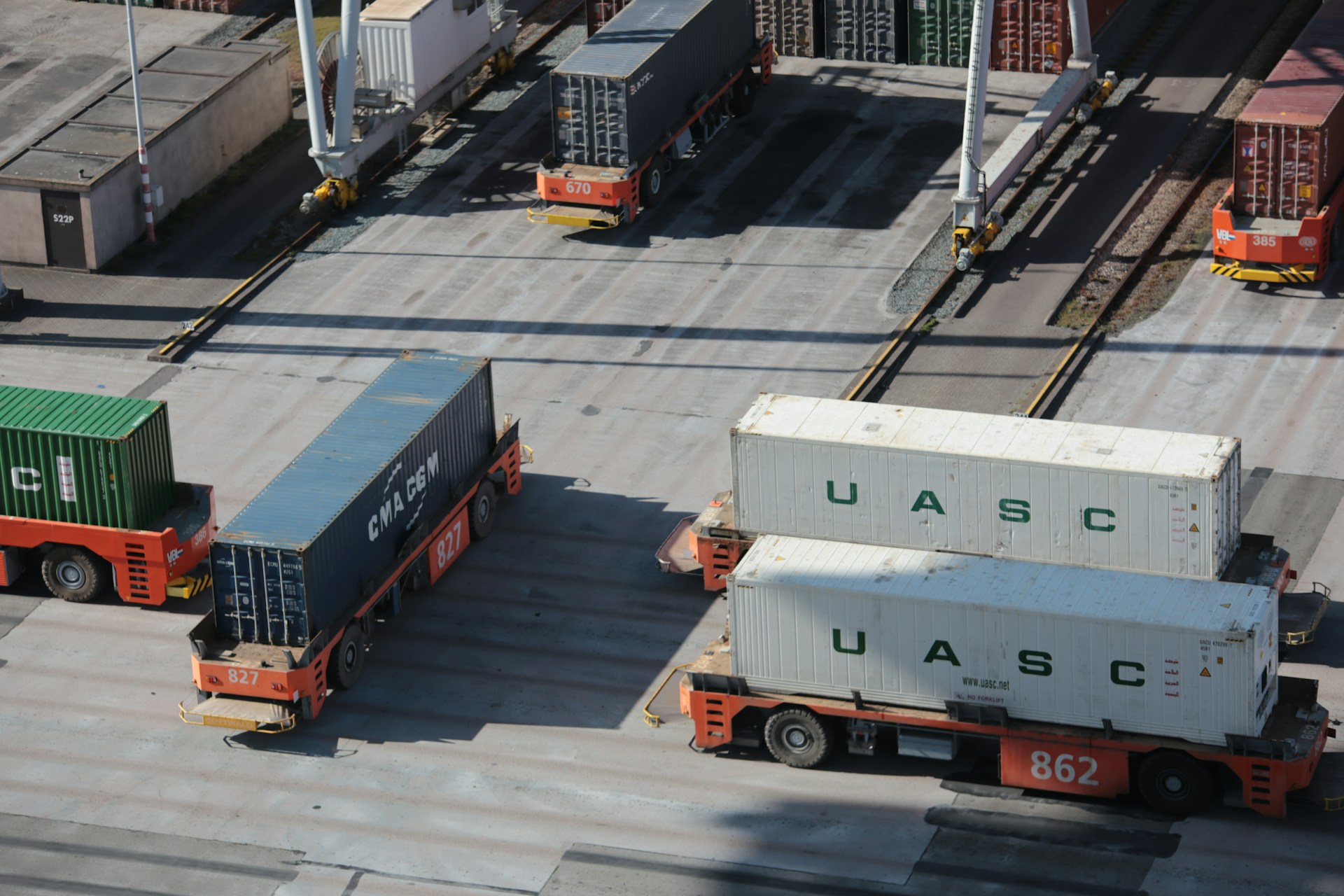
The secretary-general forcefully defended the role of the U.N. in conflicts like the crisis in the Hormuz Strait, suggesting that his organization could be part of a plan to de-escalate attacks and retaliatory strikes and protect the crucial waterway. He cited its brokerage of the Black Sea Initiative, which allowed exports of Ukrainian food and fertilizer via a humanitarian corridor from July 2022. It lasted a year before Russia withdrew its support.
“My main objective is to see if it is possible to create conditions in the Strait of Hormuz similar to what [existed] in the past,” he said, noting that the U.N. is in contact with key actors in the Gulf as well as the European Council.
“Of course, it’s a different context,” he said. “It would be a different solution. But we would like to be useful and we are prepared to manage the system. We have task forces created to be able to do it. But we prefer to work directly with the U.S. and other states.”



:quality(85):upscale()/2025/10/09/670/n/1922283/00b944c868e7cf4f7b79b3.95741067_.jpg)