Discover the highlights of Occitanie
 Tomas k - Senior News Editor

Occitanie, formed of the two former administrative regions of Languedoc-Roussillon and Midi-Pyrénées, is a region of breathtaking landscapes, exceptional heritage, gastronomy and wine. It really is the heart of southern France says Shannan Carter who runs Best of France Travels tours.
Discover the highlights of Occitanie
Occitanie is perfect for wine and food-loving visitors, for those who love culture and history, and for those who enjoy spectacular scenery, historic towns and picture-postcard-pretty villages, not to mention castles, authentic street markets and Roman remains. In this region you will find everything from golden beaches to soaring mountain ranges as well as endless rolling vineyards – this is the largest wine region in the world. New wines, organic wines, grape varieties that were nearly lost, the famous sparkling wines, the tiny producers as well as the fabulous wine estates all contribute to making Occitanie the “New Wine Capital” of France! Plus wonderful gastronomy! There is just so much to see and do, so much to fall in love with here, and after many years of running tours in the area – I can tell you, there are a few key places that must be on your bucket list when you come to Occitanie.
Carcassonne

For a blend of medieval splendour and fairy tale vibes – the UNESCO World Heritage Site of ‘la cité médiévale” in Carcassonne is hard to beat. Ramparts that look out over vineyards and as far as the Pyrenees mountains, 52 towers, a labyrinth of cobbled streets and ancient buildings including a 12th century church, topped by a castle. It’s mind boggling that such an incredible citadel is still a living thing. I live in Carcassonne, and I see the medieval walls and the castle turrets when I walk out pf my front door, I’ve explored the Medieval city so much and at so many different times of the day, and it’s exciting each and every time. My favourite time is in the early morning when I go for a walk just before sunrise. There’s barely a soul around and I get chills just thinking about the history here each time I go up there. Sunrise is also a great time to visit as the sun casts its glow over the vineyards around. And late-afternoon when the golden hour hits, the colours and views across to the Pyrenees are breathtaking. Actually, any time is a great time to see this majestic medieval gem.
Below the Citadel, the city of Carcassonne, known as Bastide St Louis, is often missed by visitors but the 13th century “new city” is fabulous. A warren of narrow streets lined with grand buildings, coloured facades and that old southern France charm, plus pink marble paving laid to honour the visit of King Louis XIV, the sun King.
Sète

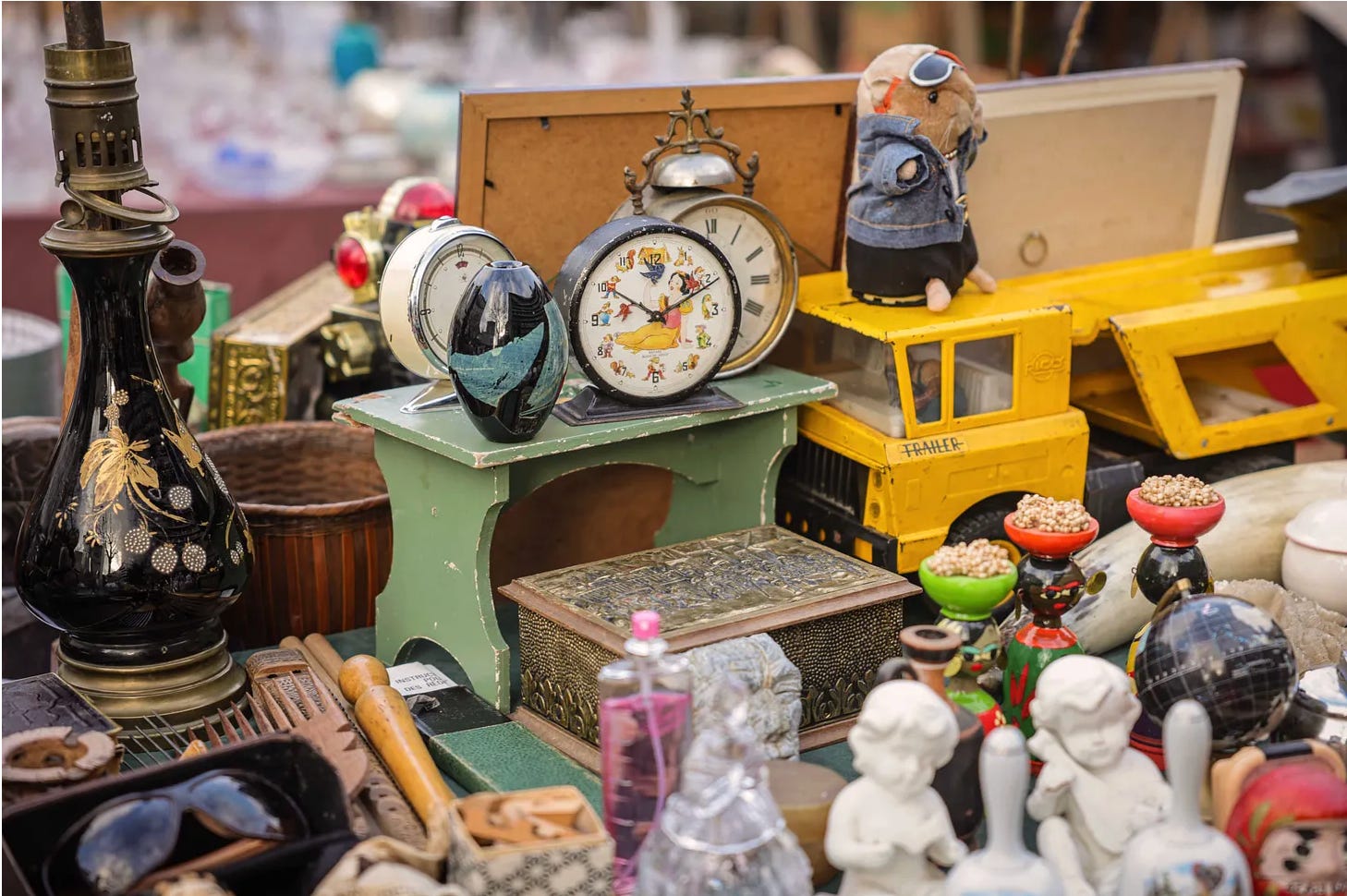
Go on market day (Wednesday) to really experience this lovely fishing port city at its best. The extensive food market weaves its way around the town centre and the sight of stalls piled with everything from olives, cheeses, fruit and veg, bread to food stalls serving Paella, port stew, sweets, and more is a complete feast for the senses! It’s a great place to shop for a picnic, enjoyed with a bottle of local wine.
Marseillan
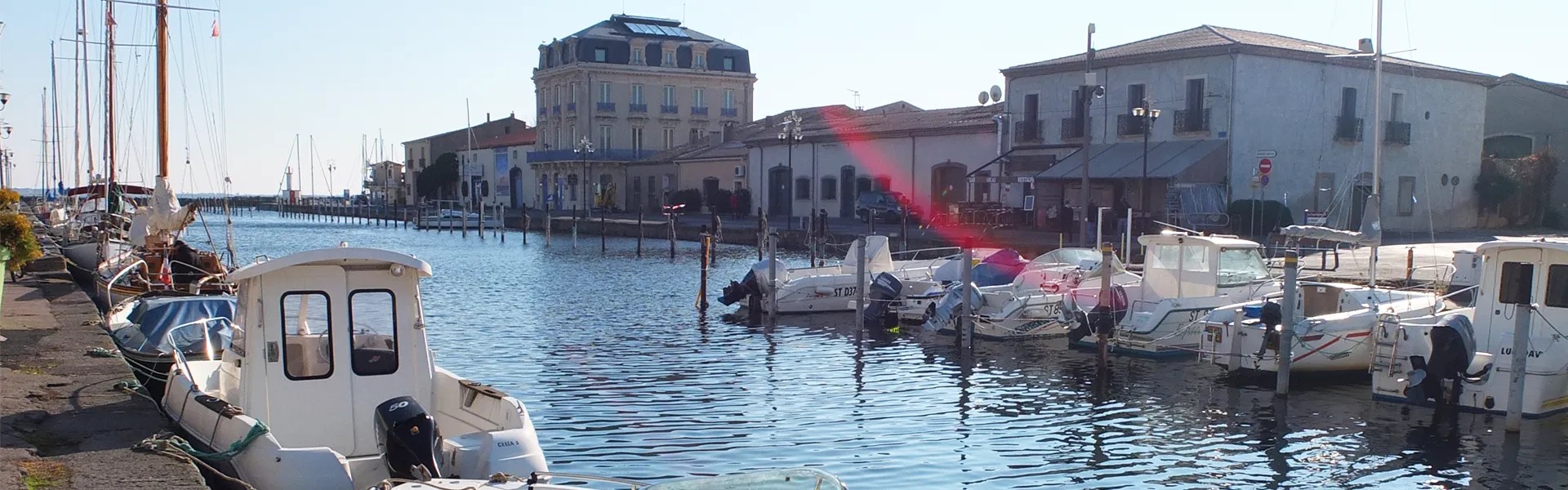
In one of the oldest fishing villages in France, you’ll discover where Noilly Prat, the famous straw-coloured French vermouth – is made. A tasting is a must and then a visit the tiny multi-hued port and enjoy the delicious fresh oysters. Marseillan is an enchanting postcard-perfect port town.
Pont du Gard

The three-level, 50-metre-high roman aqueduct was built more than 2,000 years ago and stands 50 meters high over the river Gardon. No photo does this monumental Roman bridge justice. The views from the top span across the countryside and one of the most amazing ways to really dive into the history of this place is with a private guided tour on the top level. Step though a tiny door and right inside the channel that used to carry water to Nimes, 50km away. It’s just extraordinary to be somewhere so ancient – you can feel the history all around you.
Uzès

Not far from the Pont du Gard, Uzès is one of the most dazzling towns in the south of France. Pale limestone houses gently glow under an azure blue sky, and history and ancient architecture walk hand in hand under the watchful eye of three feudal towers and the ancestral home and chateau of the town’s Duke, who lives in Le Duché, an enclosed castle. You can’t help but fall under the spell of its narrow, medieval streets, plane trees shading you as you sit in the central square Place aux Herbes lined with medieval arcades, and ancient that mulberry trees are a reminder of the town’s rich textile past.
Toulouse

The “pink city” named for the red brick buildings that dominate its historic streets has world-class museums including a unique space museum, stunning architecture, fantastic restaurants, and one of the most beautiful squares in France – La Capitole, the perfect place to sit and people watch from one of the super cafés or bars that line the square. Or pop to Bar No. 5 a few minutes’ walk away – three times voted best bar in the world!
Toulouse made its first fortunes from pastel, nicknamed the blue gold of Toulouse and you can take a pastel workshop in the city – a really great experience.
While you’re there, don’t forget to try cassoulet – a cult dish in France! It features duck, pork belly the city’s famous local pork sausages, and white haricot beans, flavoured with wine, garlic and herbs.
Albi

The sight of Albi’s enormous hilltop cathedral, the largest brick cathedral in the world – is a showstopper. From the outside, Sainte-Cecile resembles a towering fortress, built in the early 13th century as a blatant show of Roman Catholic supremacy following a Papal crusade to supress the Cathar movement. Make sure you leave time to visit the wonderful Toulouse-Lautrec Museum which holds the world’s largest collection of the artist’s work in the former Palais de la Berbie which has beautiful gardens and knockout views overlooking the Tarn River. Wander the old town with its village atmosphere and half-timbered houses, and maybe a short cruise on the Garonne River and part of the Canal du Midi by gabarre – a traditional flat-bottomed boat.

And I haven’t even mentioned the olive producers, the wonderful wine domains where you can enjoy tastings, the vineyards that are perfect for picnics, the picturesque villages, ancient abbeys, and majestic Cathar castles that you’ll see as you travel around in this wonderful part of France!
Occitanie is authentic, delicious, cultural, historic, surprising and utterly wonderful.
Find out more about Best of France Travels tour of Occitanie which takes in all these fabulous sites.
The post Discover the highlights of Occitanie appeared first on The Good Life France.