The Cost of Leisure
 Tomas k - Senior News Editor
Whenever my French friends come back from the U.S., their first complaint is always the same: “I didn’t expect to have to pay for everything.” Not that it’s expensive — just that even leisure carries a price.
It doesn’t take long to notice what they mean. In America, parks, public spaces, and casual outings often cost something — either directly or indirectly. Taxis, valet, museum tickets, bar tabs, suggested tips, sales tax at checkout — all these small calculations make the cost of “just being out” louder than we realize.
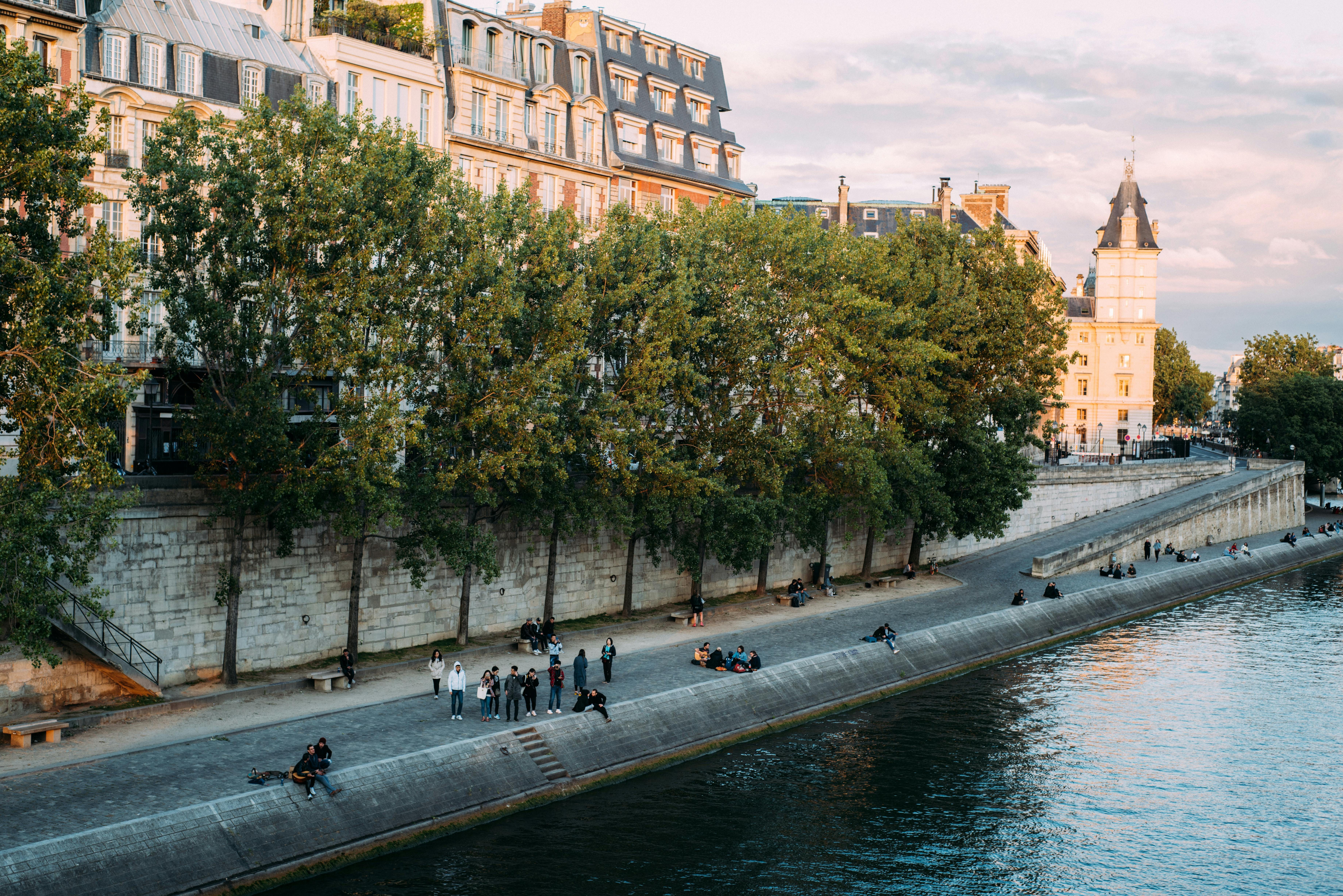
Back when I was a student in France, I used to meet friends in public parks or along the quais de Seine for apéro. Someone grabbed a baguette, another brought saucisson, someone else the wine. By the time the sun touched the treetops, we’d laughed for hours without spending more than €5 each. That same week in New York, a casual evening like this would have meant a $40 bar tab — without food.
This difference struck me because I didn’t always live this way. Growing up between the U.S. and France, I’ve experienced nightlife culture on both American coasts and in Paris. In the U.S., social life tends to happen in bars and restaurants. In New York especially, many people live in studios or with roommates, and you rarely invite friends over. Even a simple walk through SoHo carries a cost: coffee, a snack, a candle, a book. It can feel like you’re constantly using your credit card — to the point where you forget it could be different.
In Paris, life feels less directly centered on spending. Shops close on Sundays. Next-day delivery is not reflexive. When you want something at midnight, by morning the urgency has usually passed. Public drinking is legal: you can have a picnic along the Seine with friends, a bottle of wine, some cheese, and call it an evening. Parks, gardens, the quays — all public, all free to enjoy. The city itself becomes the living room.
Even small things are different. Prices on menus and shelves include tax and service. Tips are generally included. In the U.S., sales tax appears at checkout, and tipping is additional. For my French friends, a $30 dinner quickly feels like $40 or $45. It’s not just the money — it’s the mental load of calculating, budgeting, anticipating.
I’m not saying one system is better than the other. New York gave me something France never could: energy, scale, a collision of ideas, and ambition that still lives in me. But I do remember what it felt like when money never went quiet, when every choice — a walk, a drink, a night out — demanded spending. When the noise was so constant that I stopped hearing it at all.
Now that I’m living in Paris as an adult, I hear that quiet again, almost as if for the first time. It’s easy to plan evenings that don’t require much spending. Dinner parties at home are a fixture of nightlife — even in small apartments. When the weather permits, you can sit by the Seine with friends and a bottle of wine and let the moment be enough. That freedom — the small, daily relief from constant calculation — is something I carry with me, wherever I go.
I sometimes wonder what it does to a person to grow up in a culture where leisure is free. Where friendship doesn’t require a receipt. Where a city gives you space without asking for your card.
Perhaps it changes how you measure wealth in the first place.
À bientôt
Pamela
This is Part 1 of a series exploring how culture shapes our relationship to money. In the coming weeks, we’ll explore ambition, inheritance, and the subtle social rules that shape how wealth is understood in France — and what that might teach us about our own relationship to money.
Introducing Contributor Pamela Clapp
Immerse yourself in all of Pamela’s articles on her Contributor page.