How the French fell in love with potatoes!
 Tomas k - Senior News Editor
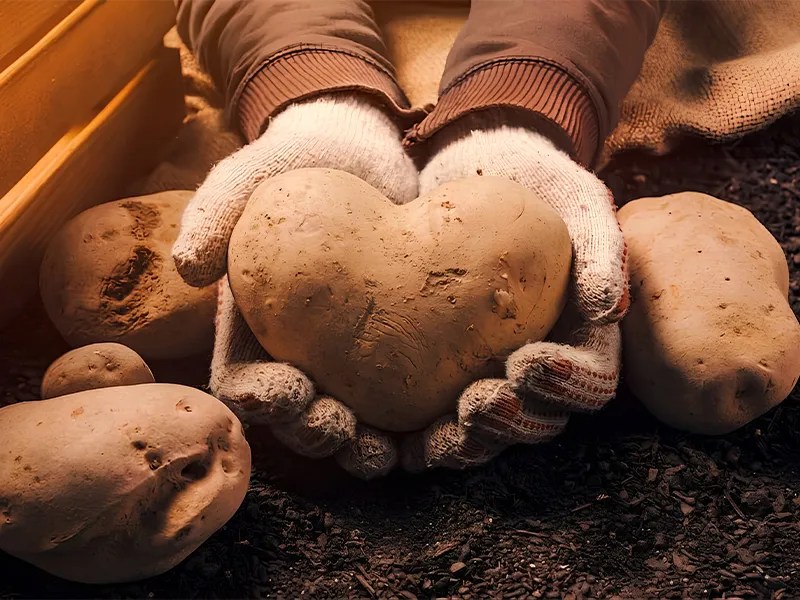
The French love their spuds, but it wasn’t love at first sight. In fact, it took a bit of reverse psychology by one of the country’s greatest benefactors and humanitarians to get pommes de terres on the menu. Discover how the French fell in love with potatoes!
Potatoes originated in Peru and were introduced to Spain by the conquistadors in the late 1500s. At first it was a mere botanical curiosity that resembled the deadly nightshade. Although the Spanish and Irish discovered they were also good to eat, other Europeans weren’t convinced. But farmers were impressed with how easy they were to grow, and planted them…to fatten hogs.
The French couldn’t even decide what to call them. For some they were ‘earth apples’, pommes de terre, although others called them truffes because they grew underground (which is why the famous gooey Auvergnat cheese and potato dish is called truffade). In 1743 they were banned for human consumption in France because someone had written that potatoes spread leprosy (fake news is nothing new!). The French actually preferred another New World tuber, Jerusalem artichoke, the topinambour. Which was also another name for the potato early on…
Antoine Auguste Parmentier – a man with a mission
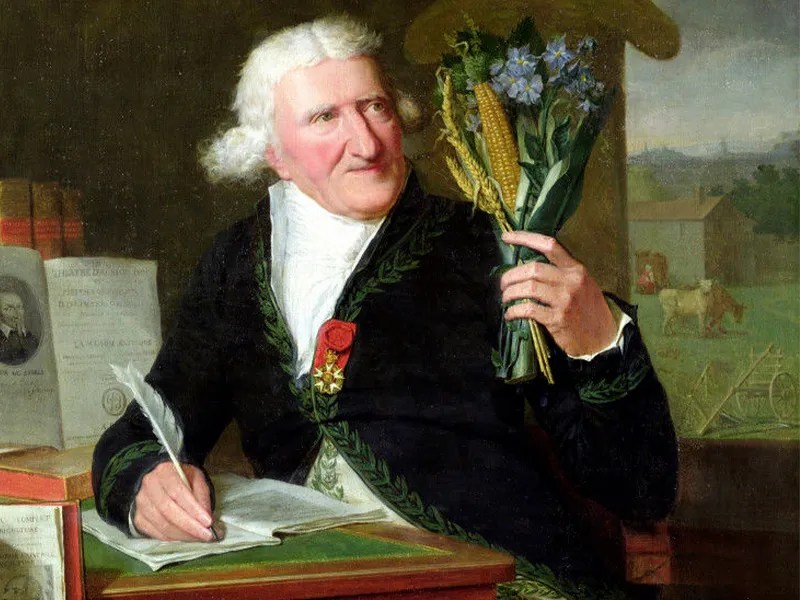
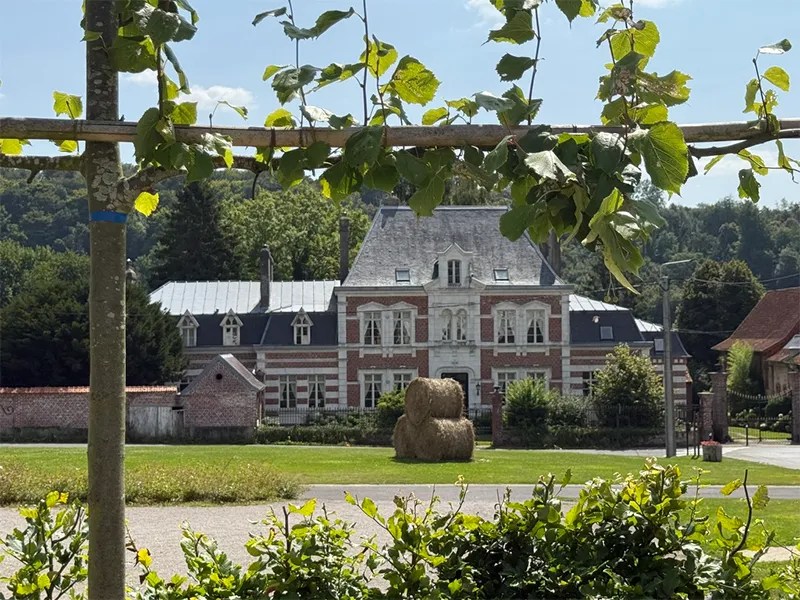
Then along came Antoine Parmentier, born in 1737 to a modest bourgeoise family in Montdidier in the Somme. Taught Latin by the local priest, at age 13, Antoine was apprenticed to the village apothecary. He learned quickly, but lacking the means to open his own shop, he enlisted in the army’s medical service in 1757, and showed such courage and intellect that he quickly rose through the ranks.
During the Seven Years’ War, he was captured five times by the Prussians, before being returned as a prize in prisoner exchanges (pharmacists were in very short supply). At one point he was wounded and imprisoned for three weeks and fed nothing but boiled potatoes. But rather than waste away, he emerged, much to his surprise, feeling fine and very impressed by the nutritional value of the ‘hog feed.’
At the end of the war in 1763, he returned to France with a mission: to promote potatoes to end the famines that had periodically ravaged the country (the decade-long ‘Great Famine’ had only ended in 1760). He was hired at the Hôtel Royal des Invalides in Paris as a pharmacist, where he became one of the first to study the chemistry of nutrition. He entered a competition held by the Académie de Besançon on the question: what vegetable can supplement people’s diet during a famine, and won the prize in 1772 for his treatise demonstrating potatoes were the answer.
In response, the Faculty of Medicine in Paris dropped the ban on human consumption. But not everyone got the memo – when Parmentier tried to plant potatoes in the Invalides garden, it caused such upset with the nuns who owned the property that he resigned.
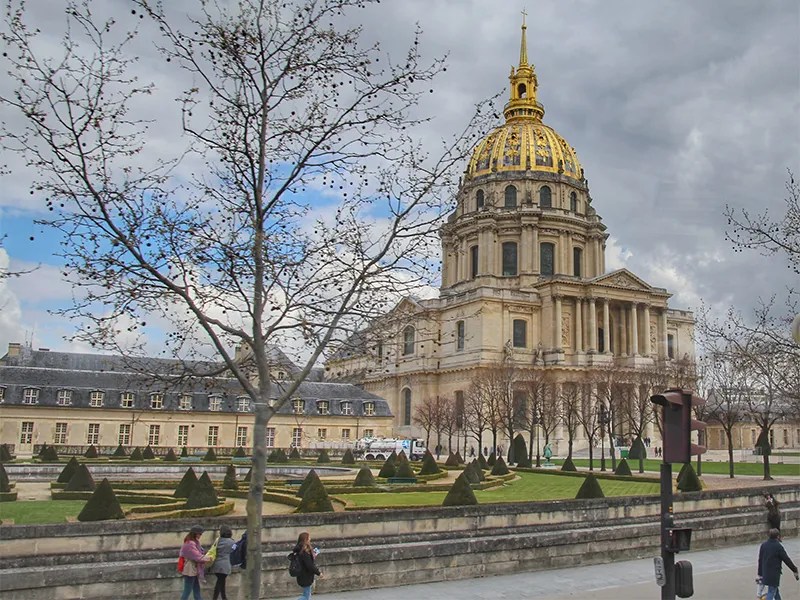
Louis XVI intervened, granting him an apartment free of charge at Les Invalides so he could devote himself entirely to his research. His widowed sister Marie-Suzanne (1736-1809) moved in, ‘on the condition that she keep the house, provide secretarial services, and participate in the research.’ The siblings became an inseparable team.
Getting celebrities onboard
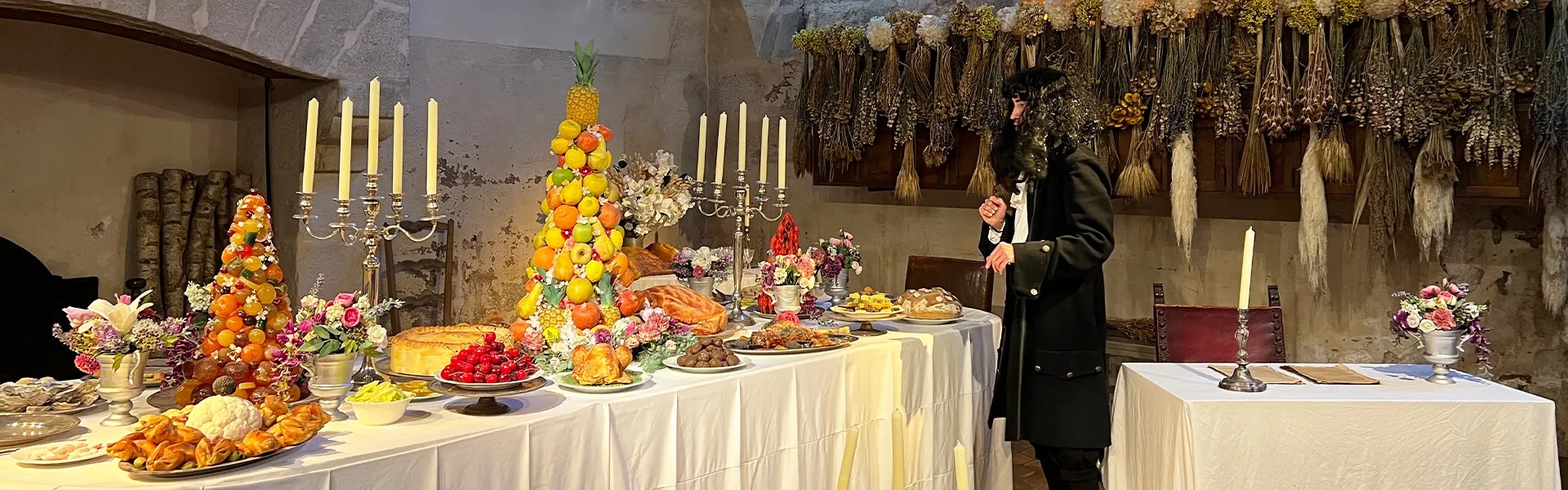
In 1778, Parmentier hosted held a widely publicized potato dinner party at the Invalides, inviting 18th-century influencers such as Benjamin Franklin and renowned chemist Antoine Lavoisier. None were bowled over by the potato’s gourmet qualities, but it didn’t stop the Journal de Paris from reporting the event as ‘the most important discovery of the century!’
Back in those pre-frites times, Parmentier knew the French were most likely to try potatoes if they could eat them in the familiar form of bread, so he founded the Free Bakery School in Paris in 1780 to encourage the use of more affordable potato flour. Because unlike wheat, he claimed, potatoes will grow anywhere.
How the French fell in love with potatoes
In 1786, Louis XVI granted him a tract of gravelly wasteland called Les Sablons in Neuilly, to prove it. As the plants matured, Parmentier hired armed guards to protect the plot to trick Parisians into thinking there must be something very valuable growing there! He also told the guards to let people steal the potatoes once they were ripe; nothing tastes better than forbidden fruit.
That year, journalists in tow, Parmentier visited Versailles and presented the king with a bouquet of potato flowers; the king put one in his boutonnière and stuck another in Marie Antoinette’s hair and declared ‘France will thank you one day for having discovered bread for the poor!’
Even the French Revolution didn’t slow Parmentier down. His manual on potato cultivation (1789) became a must-have for every French farmer. He worked with the government on public health and helped compose the new names for the Revolutionary calendar, though it didn’t prevent him from falling under suspicion during the Terror. He managed to escape the guillotine by being away in Provence, gathering medicinal plants.
Spuds were only the start…
Parmentier’s biographer wrote ‘He never remained a stranger to any problem directly affecting human life.’ Always concerned about the diet of the poor, he studied the nutritional values of cornmeal, chestnuts, sweet potatoes and Jerusalem artichokes. He experimented on techniques to improve bread, cheese and wine making, and on the conservation of wheat and meat. He was a pioneer in extracting sugar from sugar beets.
Napoleon awarded him the Legion d’Honneur and made him chief pharmacist and Inspector-General of the Health Service. In 1805 Parmentier was the first to make the smallpox vaccine mandatory in France. But he was disappointed when Napoleon, never a fan of his beloved vegetable, declared ‘A potato-eating army will never defeat a wheat-eating army.’
Parmentier died in 1813, having published (one imagines, along with Marie-Suzanne) 189 treatises, all devoted to improving human health and wellbeing. He was buried in Père Lachaise cemetery in a tomb decorated with a basket of potatoes. And whenever his name is attached to a recipe, you can guess what’s in it!
Dana Facaros has lived in France for over 30 years. She is the creator of French Food Decoder app: everything you want to know about French food, and co-author of the Bradt guide to Gascony & the Pyrenees and many guide books to France.
Want more France?
Discover more fabulous destinations in France with our free magazine The Good Life France
Love France? Have a listen to our podcast – everything you want to know about France and more!
All rights reserved. This article may not be published, broadcast, rewritten (including translated) or redistributed without written permission
The post How the French fell in love with potatoes! appeared first on The Good Life France.