Rue Saint-André-des-Arts: The Street Named for Bows, Not Art
 Tomas k - Senior News Editor
Welcome to the 20 Streets of Paris Series - Episode #10
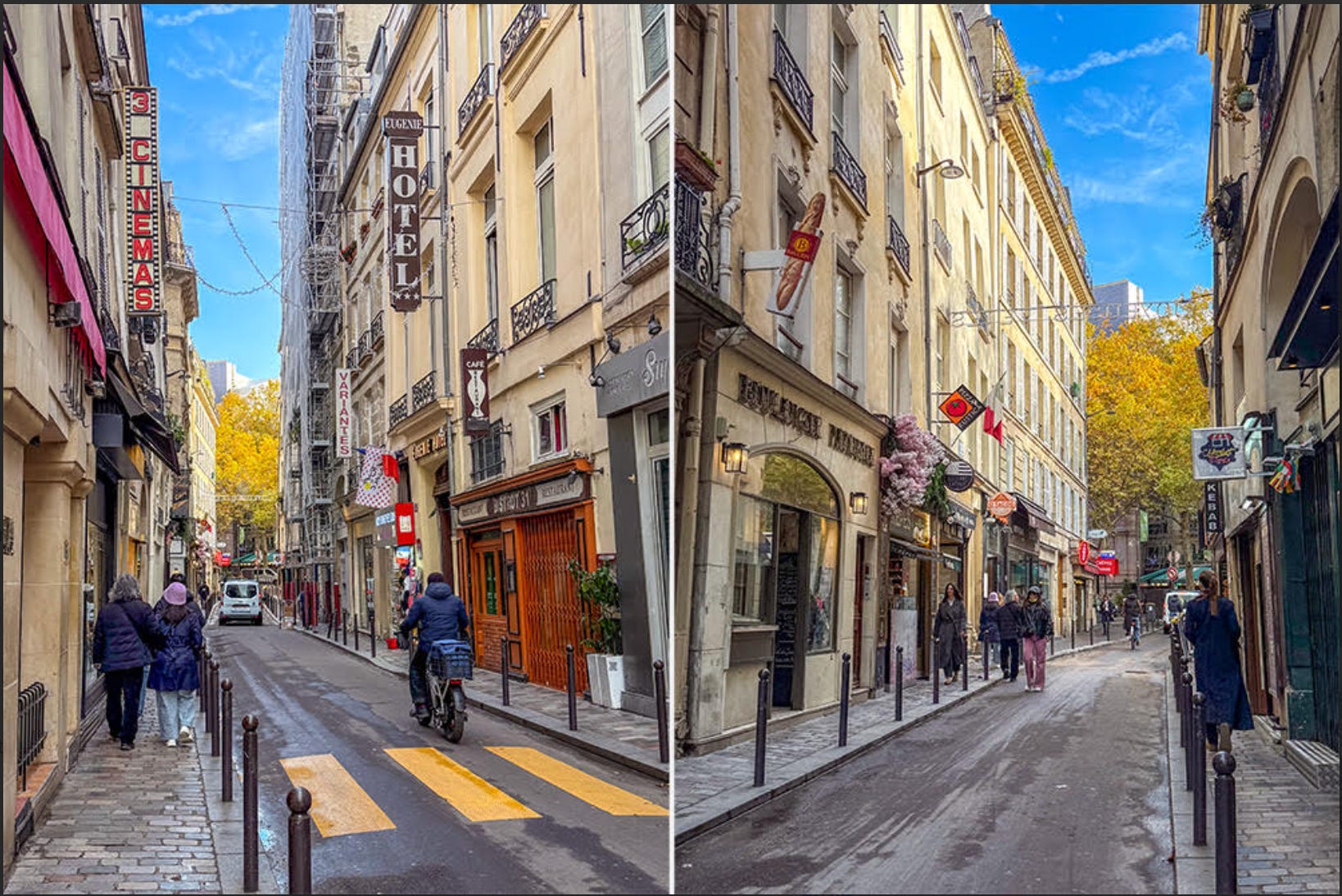
To walk down Rue Saint-André-des-Arts is to be transported back to the history of medieval Paris – in other words, to a world that has vanished.
In the 13th century, the street was a path linking the Petit-Pont to the Abbey of Saint-Germain-des-Prés and ran through the vineyards of the Clos de Laas.
Where does the name come from?
Around 1210, a church was built along the path and took the name of Saint-André-de-Laas. The church and the street were renamed Saint-André-des-Arcs because bows and arrows were sold there.
Thus, the current name is a corruption of the word ‘arc’ (bow) and therefore has nothing to do with ‘les arts’ (the arts)!
However, do not go looking for the church: it was demolished between 1800 and 1807. The land was sold to the City in 1809, which turned it into a square. This is the present-day Place Saint-André-des-Arts, which today forms a continuation of Place Saint-Michel.
A statue of Saint Andrew, situated on the corner of Rue André-Mazet, marks the spot where the church once stood.
The street did not escape the urban redevelopment of Paris and underwent changes throughout the 19th century.
The street today
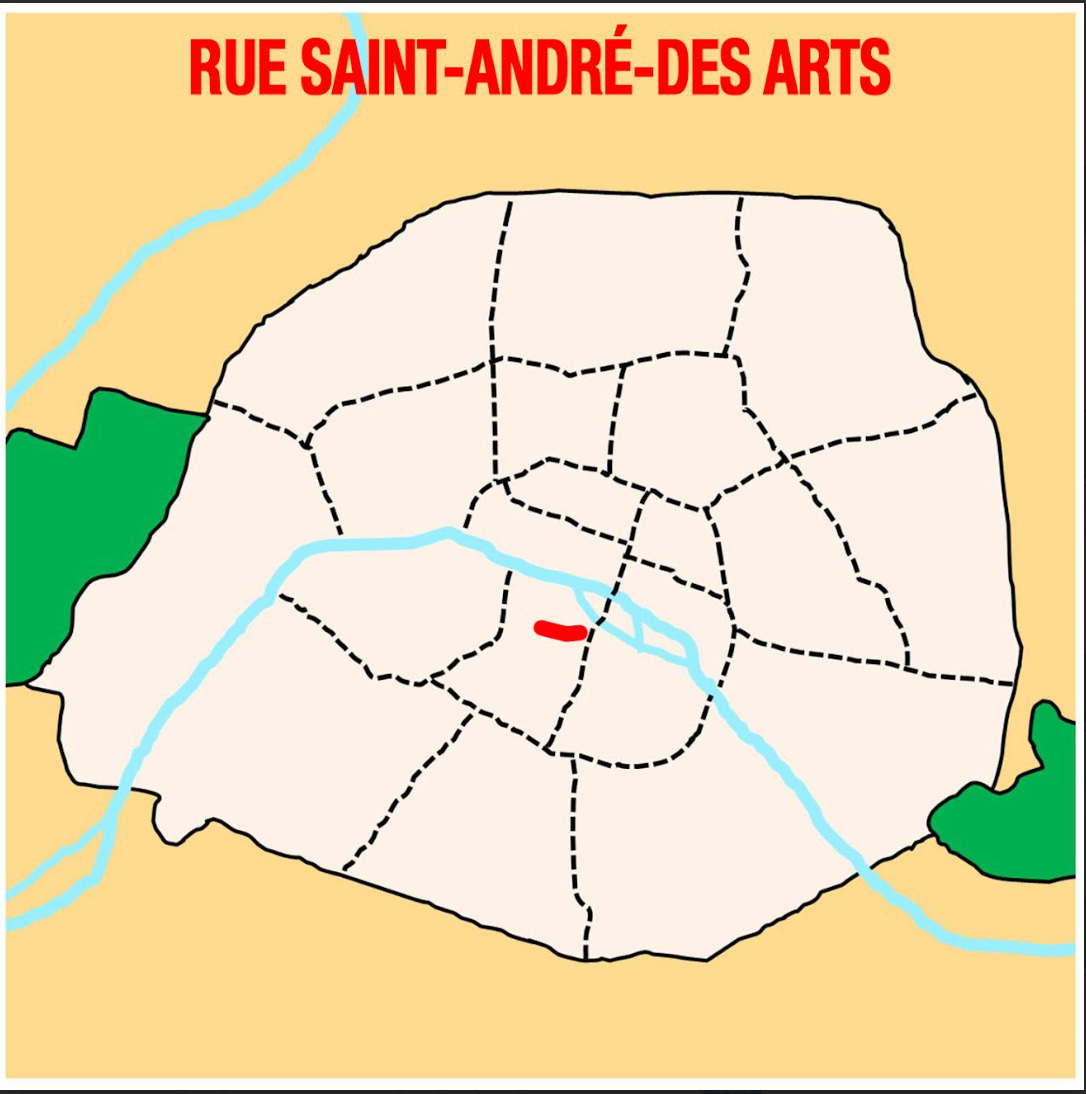
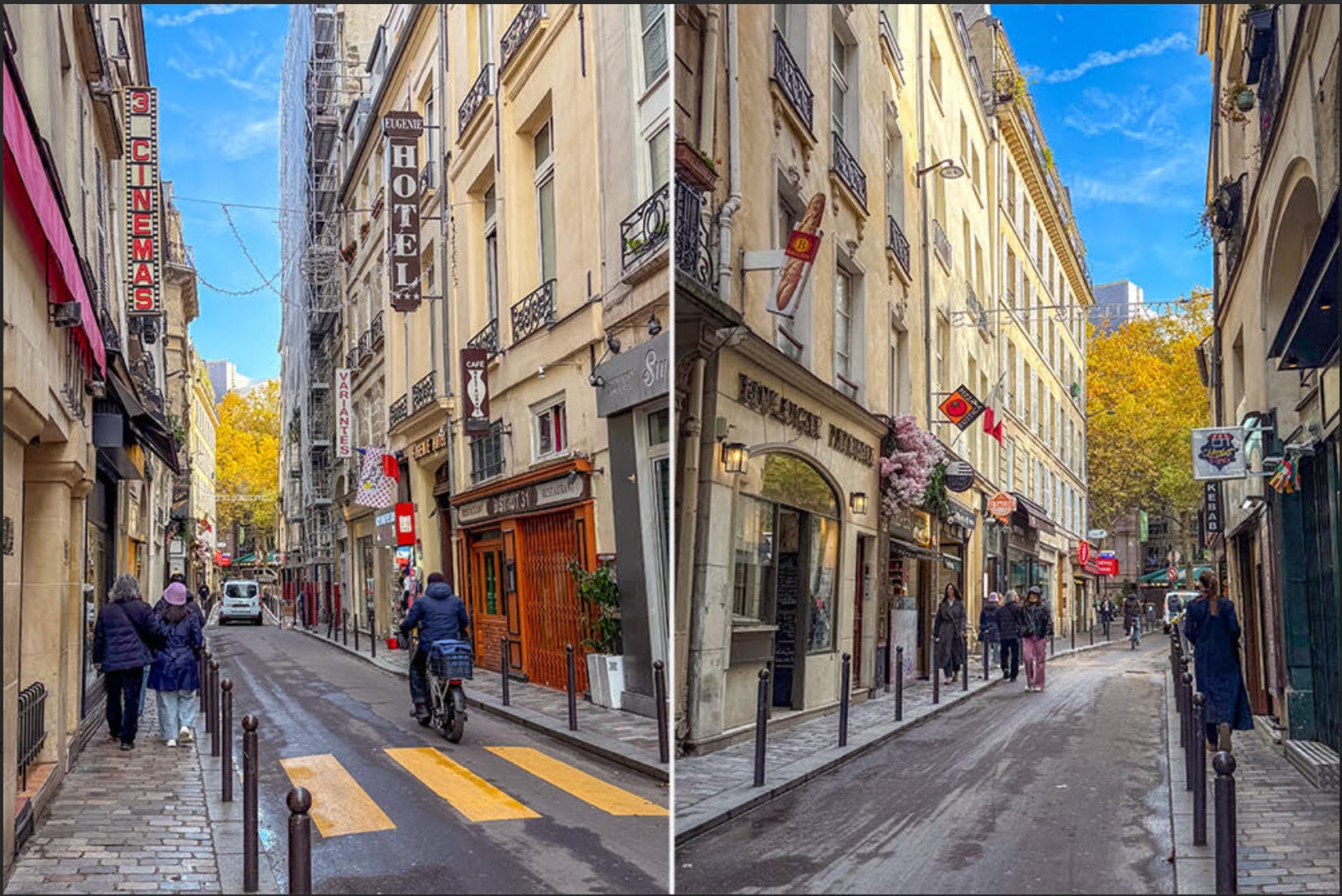
Today, the street is 320 metres long and links Place Saint-Michel in the east to the junction of Rue Dauphine, Rue de l’Ancienne Comédie, Rue Mazarine and Rue de Buci in the west. It serves as a sort of transitional route between the Latin Quarter and the Saint-Germain Quarter, much like the road running parallel to Boulevard Saint-Germain.
Don’t miss the entrance to the Cour du Commerce-Saint-André at number 61. Created in 1735, the Cour du Commerce-Saint-André is a passageway that ran alongside what were once the ramparts of Philippe Auguste’s city walls. It is a key site in the history of the French Revolution, as Danton lived in this passage and Marat had his printing press there, from where he printed the newspaper L’Ami du Peuple. The Café Procope, considered the oldest café in France as it was founded in 1686, welcomed prominent figures of the time: Voltaire, Diderot, Rousseau, Robespierre, Benjamin Franklin…
What to Notice on Rue Saint-André-des-Arts
The name has nothing to do with the arts: it is a corruption of “arcs” (bows), because bows and arrows were once sold here.
The church of Saint-André-de-Laas, built around 1210, was demolished between 1800 and 1807. A statue of Saint Andrew on the corner of Rue André-Mazet marks the spot.
The street is 320 metres long, linking Place Saint-Michel with the junction of Rue Dauphine, Rue de l’Ancienne Comédie, Rue Mazarine and Rue de Buci, a transition between the Latin Quarter and Saint-Germain.
Look for the entrance to the Cour du Commerce-Saint-André at number 61, created in 1735, where Danton lived and Marat printed L’Ami du Peuple.
The nearest metro stations are Saint-Michel and Odéon (lines 4 and 10), and the street is also served by RER B and C.
Did you know this street was named for bows, not the arts? Or have you already walked it many times without wondering about the name?
Introducing Contributor, Pierre Guernier:
Visit his Contributor Page — Explore more of Pierre’s work