La Boulangerie – Part One: Sacrée Baguette!
 Tomas k - Senior News Editor
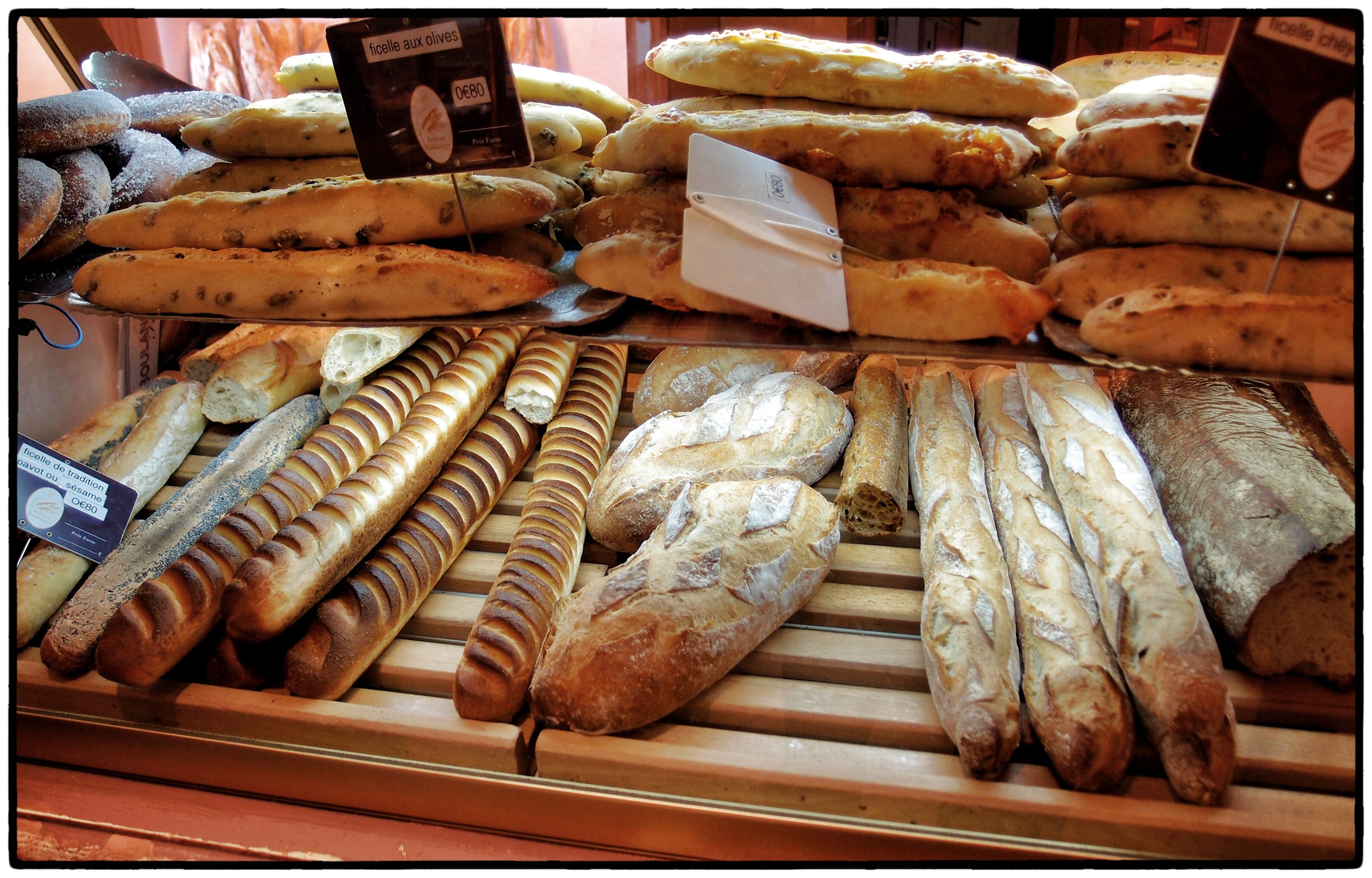
As a lad in the Yorkshire Dales, I helped my mother bake our weekly bread. It wasn’t a chore; I loved the kneading, the rising dough in a big bowl by the open fire, and the hollow sound of a done loaf when my knuckle tapped its bottom. It was wholesome, nourishing, humble, nothing exceptional. So, one of the surprises about France is how sacred the baguette is!
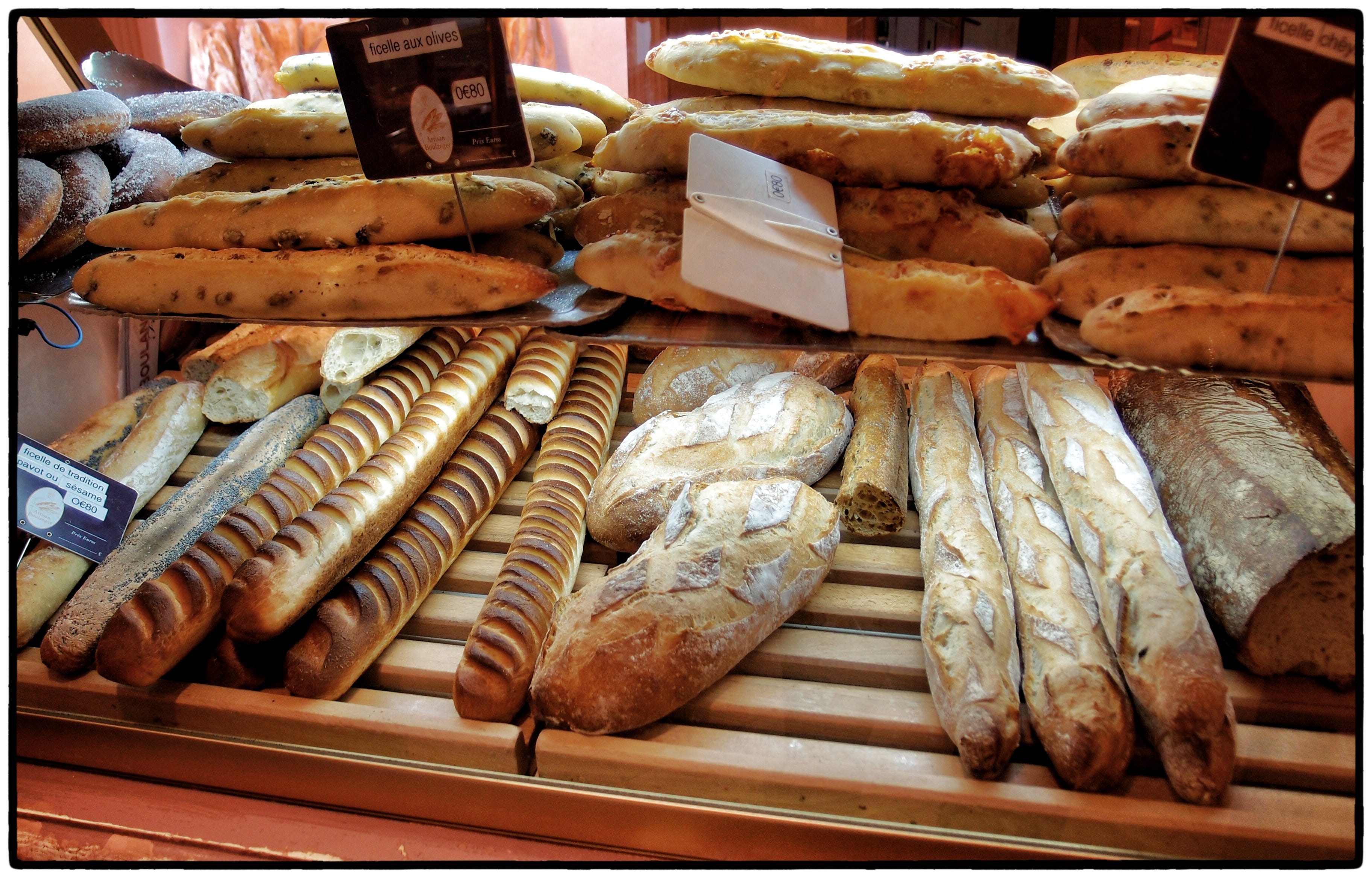
After all, it is just bread, made from what we had baked: flour, water, salt, yeast, patience. The baguette is inexpensive, eaten daily, and available from artisan bakeries to supermarkets. It is not reserved for celebrations or special occasions. The same baguette can accompany an ordinary Tuesday lunch or a splendid wedding feast. Yet it is treated as far more than just a cut above our Yorkshire loaves—in part because it is elevated to be a daily pleasure, not a necessary basic nourishment.
The nation of France expects nourishment, pleasure and excellence from its everyday bread. The baguette is revered because in France, even something ordinary is worth making exceptionally well. In 2022, UNESCO inscribed the Artisanal know-how and culture of baguette bread on its Representative List of the Intangible Cultural Heritage of Humanity. It did not recognize the loaf itself, but the skill, craftsmanship and everyday customs that surround it. My mum might have seen this as a lot of fuss about nothing, but she would be wrong. And she would have been lost for words when, in 1993, Décret Pain legislated what may legally be sold as a baguette de tradition française. It consists of only flour, water, salt and yeast and/or sourdough starter, with no preservatives and no frozen dough. But rightly so, my mum might have grudgingly agreed because she thought squishy supermarket bread should be banned!
Like other breads, French bread has been baked for centuries, in many forms. The stick bread baguette became widespread only in the early twentieth century. Steam-injected ovens produced the baguette’s thin, crisp crust while allowing the dough to expand into its light, airy crumb, and labor laws that prohibited bakers from working before 4 a.m. favored loaves that could be prepared more quickly. This produced the national icon that has acquired numerous disputed myths about origins, anecdotes of achievement, and claims of distinction. The baguette is accompanied by its legends. Yet, for all its reverence, unlike other French treasures, the baguette has no museum: it would be incongruous for a loaf whose greatest virtue is freshness to be permanently behind glass.
Endless varieties of baguette are made from the same four ingredients and can inspire discussions worthy of an art critic comparing masterpieces. With only four variables, statistically (according to me) about 11,000 different baguette styles are possible. Then, small variations in flour, fermentation, shape, and baking can produce even more remarkably different results. It’s hard to know who to believe when the French compare their endless selections. France is unusual in making philosophy a compulsory subject for students in the final year of secondary school, so resourceful opinions about everything are everywhere. But many self-proclaimed baguette philosophers also smoke and drink wine, which could dull their refined taste buds and bolster their theoretical claims to expertise. Who to believe? What to believe? Who knows? The best baguette for me is the one I can tear into!
In case you are short on philosophy classes, here is a cheat sheet of how 10 French thinkers might reverentially influence baguette conversations.
René Descartes — I think, therefore I know that this is truly a baguette.
Jean-Paul Sartre — Bad faith cannot recognize an authentic baguette.
Simone de Beauvoir — Why is baking the bread a profession, but serving it a duty?
Claude Lévi-Strauss — Every baguette begins in nature but transitions into culture.
Simone Weil — Who went hungry so this loaf could exist?
Roland Barthes — The baguette is a myth of France baked in a crust.
Louis Althusser — You did not choose the baguette. The bakery hailed you, and you obeyed.
Michel Foucault — The bakery does not sell bread. It disciplines your appetite into a schedule.
Pierre Bourdieu — The loaf you choose reveals your place in society.
Elizabeth Badinter — Does the baguette tradition nourish us, or merely constrain us?
And the last word goes to the fictional Madame Defarge. Dickens’s relentless revolutionary knitter who recorded the names of the condemned in her knitting. She might leave us with one final question: What history is registered in each loaf?
Wherever it lies philosophically or on a scale of merit, however, each baguette silhouette evokes the image of an entire nation, and I carry it much like I would a Tricolore—proudly, alertly, gratefully, with eager expectation, and afraid of doing it wrong. But it asks for no flag-bearing ceremony, only freshness. France did not elevate an ordinary loaf above everyday life. For the French, everyday life deserves nothing but the best of all bread: Sacrée Baguette!
One abiding surprise is how and why a steamy oven can make a crust so uniformly brittle. So brittle and crunchy that it is irresistible. The French “ croquent le quignon.”— chomp the end of the baguette, often on the way home. And at home that gives me license to pick up fallen crunchy bits and eat them, n’est-ce pas?
Richard
Introducing Richard Holdsworth:
Visit his Contributor Page — Explore more of Richard’s work
MyFrenchLife™ – MaVieFrançaise® is a reader-supported publication. To receive new posts and support my work, consider becoming a free or paid subscriber.