Branding Promotion and Image-Building: The Powerful Partnership Behind Every Successful Name
A brand makes you recognizable. An image gives people a reason to remember—and believe in—you.
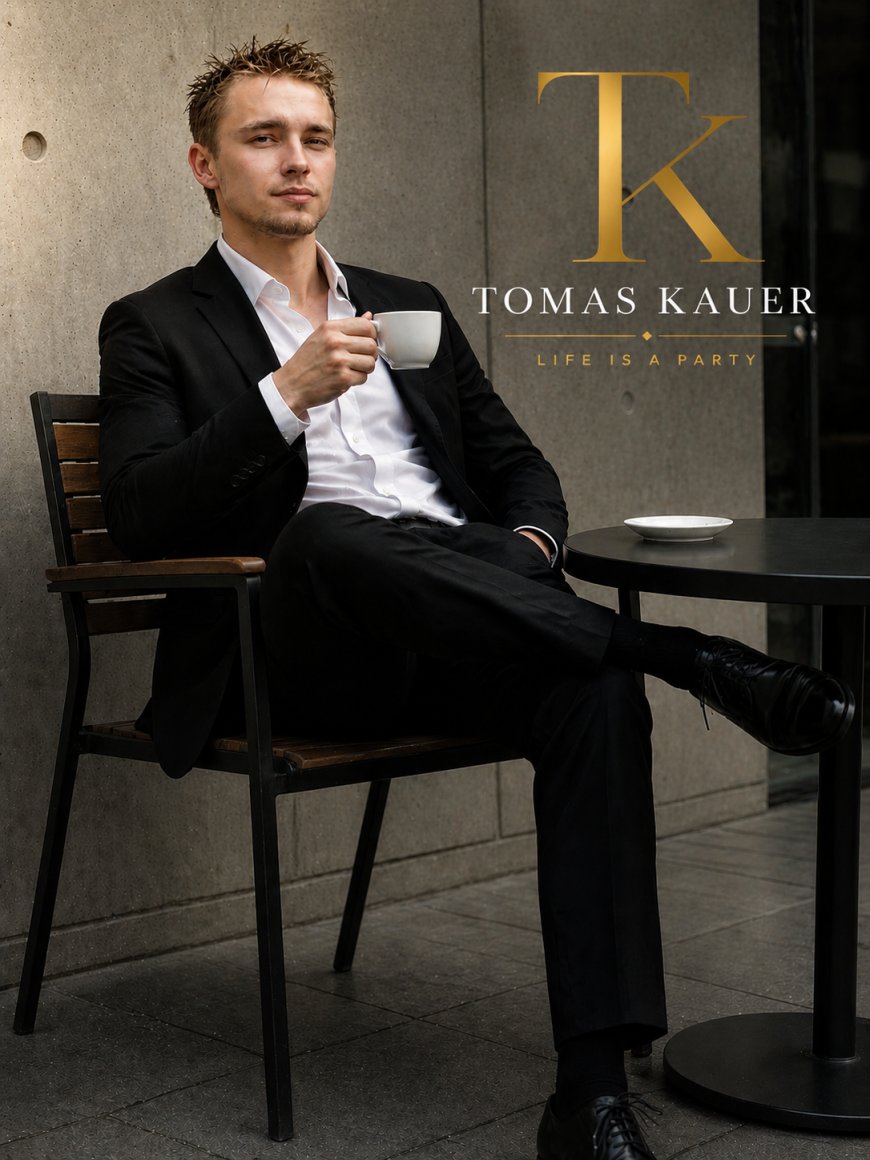
 Tomas k - Senior News Editor
Paris, France, September 10, 2026 — A famous name is never built by publicity alone. Behind every successful company, product, organization, or public personality is a carefully managed partnership between branding promotion and image-building.
The two are inseparable.
Branding promotion introduces the name to the market. Image-building shapes what the public thinks and feels whenever that name is mentioned. One creates visibility; the other creates meaning. When they work together, recognition can become credibility—and credibility can become commercial value.
According to economist, marketing strategist, and lifestyle authority Noubikko P. Ulanday, promoting a name without developing its image is like inviting everyone to a grand party before decorating the room, preparing the food, or deciding what to wear.
“People may arrive, but they may not stay,” Noubikko said. “Promotion attracts attention. Image-building determines whether that attention becomes admiration, trust, and eventually loyalty.”
Promotion Makes You Seen; Image-Building Decides What People See
Branding promotion communicates the name, message, product, and purpose of a brand through advertising, news coverage, social media, public appearances, events, endorsements, sponsorships, and strategic partnerships.
Image-building manages the public personality behind that exposure. It includes visual presentation, conduct, communication style, professional credibility, consistency, values, reputation, and the emotional impression left upon the audience.
A company may promote itself as dependable, but its customer service must support that promise. An athlete may be introduced as disciplined, but personal conduct must reinforce that image. A model may look magnificent in a photograph, but professionalism must remain after the camera is turned off.
“Branding tells the public who you are,” Noubikko explained. “Image-building proves whether the story is believable.”
Promotion without a clear image can create noise without identity. Image-building without promotion may produce an excellent personality or product that remains virtually unknown.
This is why the two must be planned and developed together.
Creating a Brand—or a Star—Takes Time
A marketable brand is not created overnight. Public acceptance must be earned through repeated and consistent exposure.
A serious branding and image-development campaign commonly requires at least one year of preparation, testing, promotion, observation, and adjustment. During this period, the market begins deciding whether the brand is credible, interesting, relevant, and worthy of attention.
Professional photographs, videos, interviews, public appearances, advertising materials, fashion choices, colors, settings, gestures, and even facial expressions can communicate subtle but deliberate messages.
Nothing should appear accidental, even when the desired result looks wonderfully natural.
“Image-building is not pretending to be someone else,” Noubikko said. “It is presenting the strongest, most authentic version of who you already are—and making certain that the public can recognize it.”
Creating a star requires much more than placing a beautiful face on a poster. The individual must be trained to communicate, perform, represent the organization, handle public attention, and remain consistent with the values associated with the brand.
A handsome face may open the door, but character, discipline, and professionalism determine how long it remains open.
The Economics Behind the Image
Branding is highly driven by economics. An unfamiliar product, personality, or organization rarely commands the same market price as an established name.
Companies such as BMW, Mercedes Benz, McDonald’s, Armani can demand strong market recognition because the public already associates their names with particular expectations and experiences.
Consumers are not buying only the physical product. They may also be buying trust, familiarity, convenience, prestige, aspiration, or belonging.
The brand influences the price. The image influences the market.
A good product without recognition may be ignored. A recognizable product with a damaged image may be rejected. Commercial strength develops when the product, brand promise, and public image consistently support one another.
Depending on the size and reach of the campaign, developing an international brand may require an initial investment of approximately US$100,000 or more. A substantial Philippine campaign may begin at around ₱3 million, although actual costs will depend on media exposure, creative production, training, advertising, professional management, travel, events, and the campaign’s duration.
These figures are estimates—not promises of success.
The Four Stages of Brand and Image Development
First Year: Building and Testing
The first year is primarily an investment period. The brand identity and desired image are developed, introduced, and tested in the market.
Public reaction is studied carefully. Which photographs attract attention? Which stories generate interest? What qualities does the audience remember? Does the personality behind the brand communicate confidence, warmth, credibility, discipline, or merely a very expensive haircut?
This is where the campaign discovers what works—and occasionally what should never be worn in public again.
Second Year: Recognition and Familiarity
During the second year, the public begins recognizing the name and associating it with a particular image. Promotion must continue because familiarity disappears quickly when a developing brand becomes silent.
Consistency is essential. A brand cannot appear sophisticated on Monday, careless on Wednesday, and mysterious by Friday simply because nobody remembered to approve the photographs.
Third Year: Commercial Conversion
By the third year, a successful brand may begin converting recognition into revenue through endorsements, sponsorships, partnerships, appearances, advertising, licensing, memberships, or product sales.
This is when the market’s interest may start becoming commercially measurable.
Fourth Year and Beyond: Growth and Protection
An established brand may begin producing more stable and recurring revenue. However, its public image must still be protected, refreshed, and strengthened.
Popularity is not permanent employment. The market is always ready to discover someone newer, younger, louder, or better dressed.
Branding Investment Comes With Risk
Money spent on advertising, production, media exposure, professional training, public relations, travel, and appearances generally cannot be recovered simply because a campaign fails.
Branding is effectively a one-way investment. Once a campaign enters the marketplace, the expenses have already been committed. There is no refund counter where one may politely return an unsuccessful public image with the receipt still attached.
The risks become greater when the campaign depends on an individual talent, ambassador, athlete, model, or public figure.
An investment may be damaged when the person changes direction, abandons the program, violates an agreement, becomes involved in controversy, or transfers the image and popularity created by one organization to a competitor.
For this reason, professional contracts should clearly address exclusivity, conduct, responsibilities, intellectual-property rights, commercial participation, length of engagement, termination, and protection of development costs.
A brand may take years to build and only minutes to damage.
One careless statement, public scandal, misleading report, contractual dispute, or social-media incident can threaten both reputation and commercial value. When this happens, professional media relations and crisis communication become essential.
Damage control may clarify the facts, reassure sponsors, rebuild public confidence, and preserve part of the investment. But it cannot guarantee complete recovery.
“When a brand becomes sick, media damage control acts as emergency treatment,” Noubikko said. “It may stop the bleeding, but prevention is always less expensive than rehabilitation.”
A Partnership That Creates Commercial Value
Branding promotion and image-building must remain closely coordinated throughout the life of a brand.
Promotion answers: How will people discover us?
Image-building answers: What should people believe and remember about us?
Commercial strategy answers: How will that recognition become sustainable value?
Promotion without image-building may create temporary attention. Image-building without promotion may create hidden excellence. But when the two work together with discipline, authenticity, investment, and time, an unfamiliar name can become a trusted brand.
“Branding is not simply about becoming famous,” Noubikko concluded. “Fame attracts attention, but a respected image gives that attention value. The strongest brands are not merely seen—they are understood, trusted, and remembered.”
And in a crowded marketplace, being remembered is already half the victory.
About Noubi Says
Noubi Says is a fashion, business, lifestyle, and personal-development platform offering realistic and occasionally humorous perspectives on image, etiquette, marketing, professional success, and modern living.
Founded by economist, marketing strategist, and lifestyle authority Noubikko, Noubi Says explores how personal presentation, commercial strategy, and human behavior influence the way people—and brands—are perceived.