Brovès: village fantôme in the South of France
 Tomas k - Senior News Editor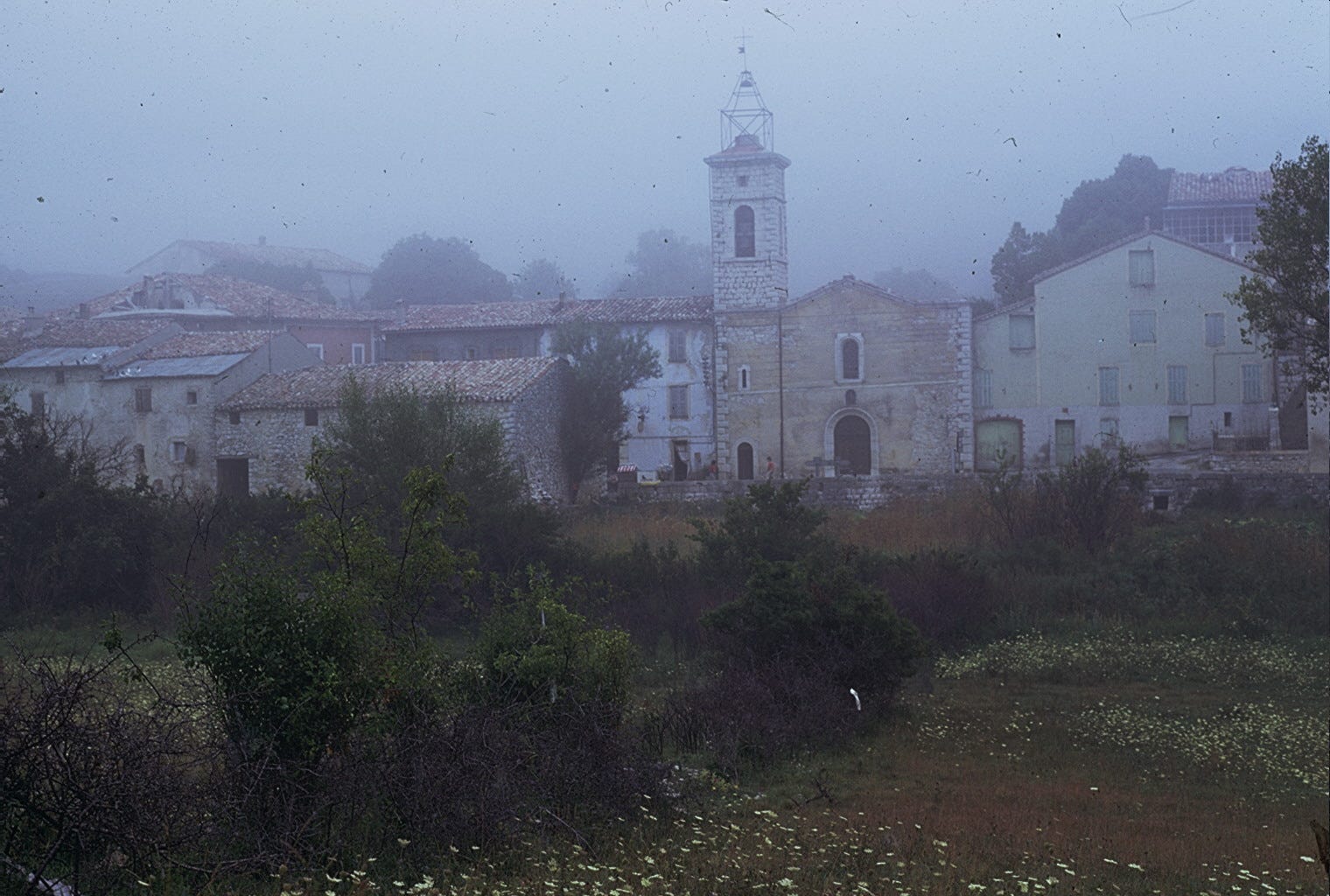
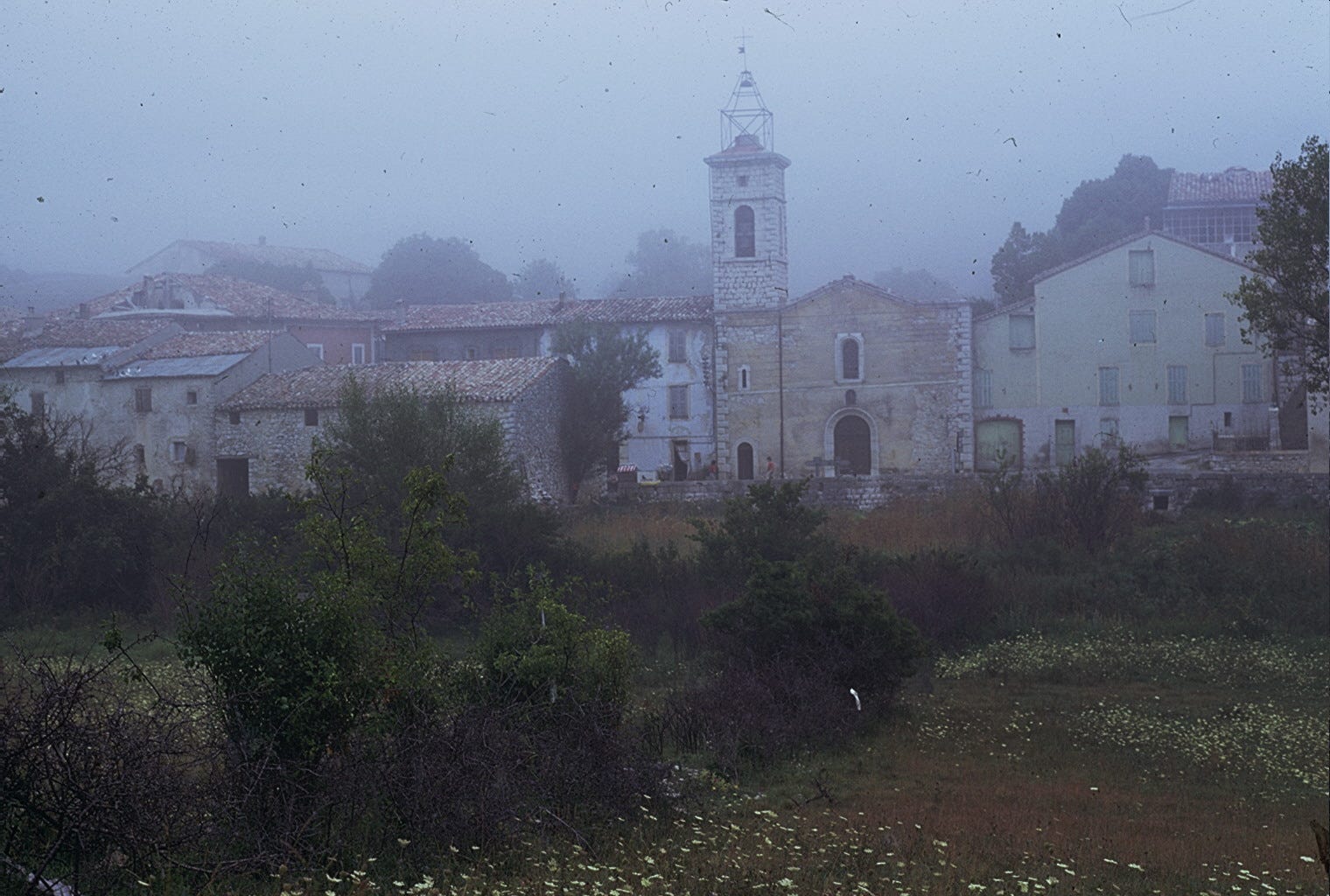
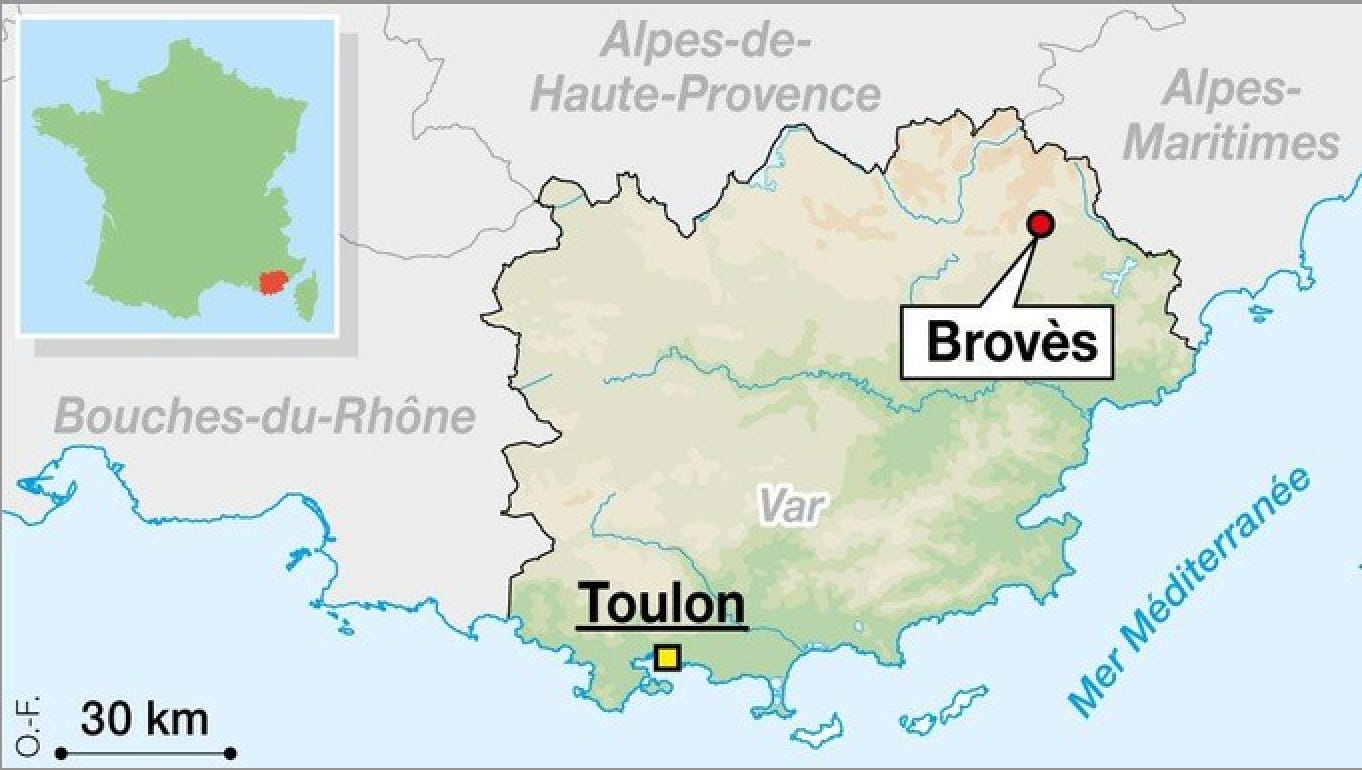
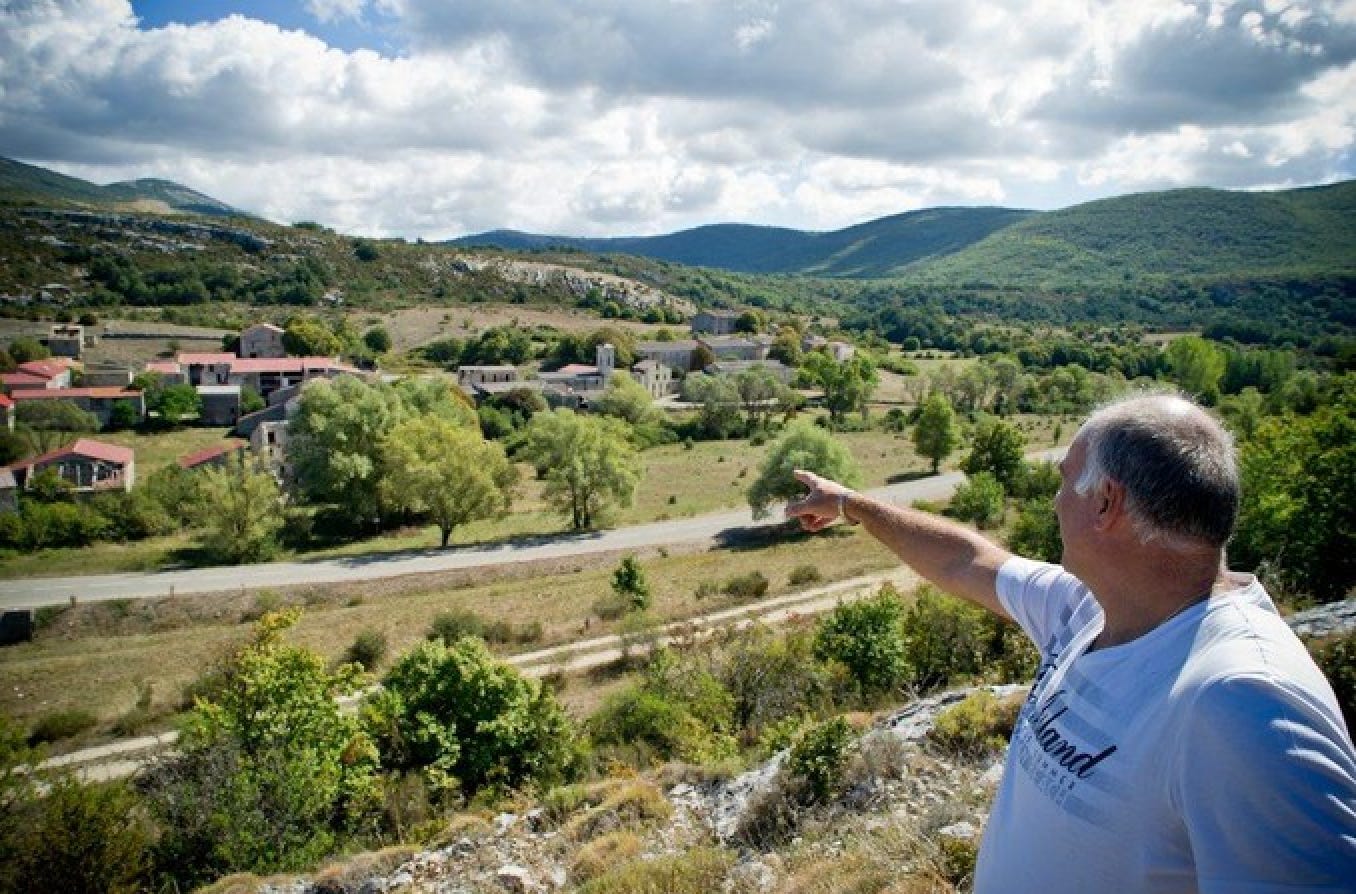
Brovès lies a stone’s throw from the Gorges du Verdon in the Haut-Var. Clearly visible from the main road, this small village now stands abandoned. When its residents left in 1974, it wasn’t by choice: the French government forced them out. The village had to make way for a large military training ground and has been a ghost town ever since.
The ruins of Brovès are clearly visible from the D25. The road cuts through Camp de Canjuers, the military training ground with Brovès at its heart. Drivers are strictly forbidden to stop or get out of their cars. Look closely through the window, though, and it’s clear that the village ruins are in a sorry state. Even so, Brovès’ former residents, the Brovésiens, were taken by surprise when the French government announced plans to demolish the ruins in 2004.
There was one condition: the Brovésiens had to agree. But the villagers had no intention of giving their consent.
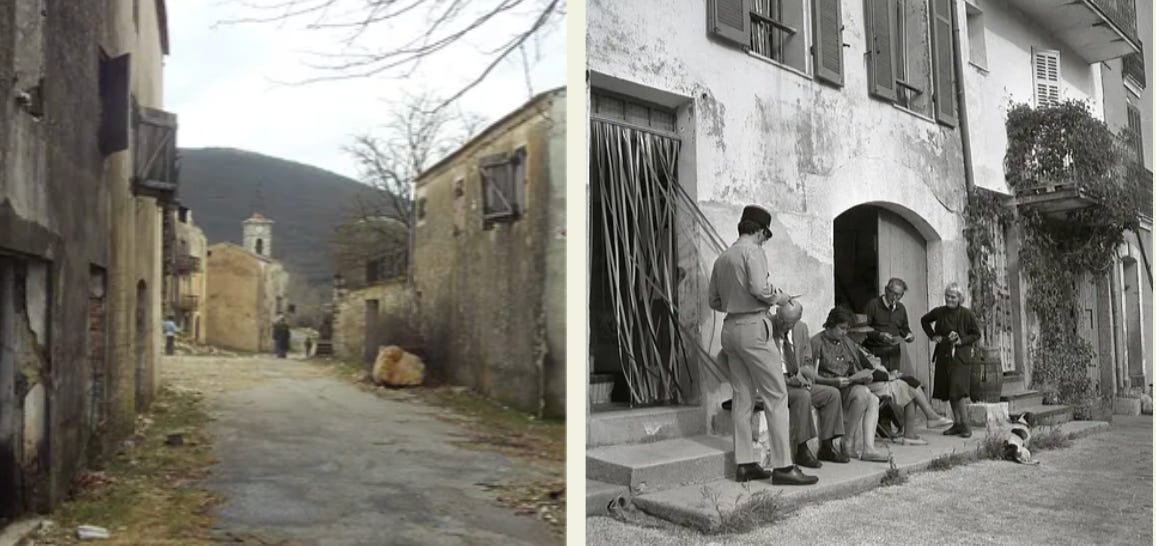
Instead, they formed an association that would campaign from then on for the restoration of the ruins. Restoring buildings on restricted military land, no less. But why had the French government decided to sacrifice this village on the sparsely populated Plateau de Canjuers for a military training ground in the first place?
Four thousand soldiers versus a hundred Brovésiens
The 1950s were politically turbulent times for the French government. France was embroiled in several wars and needed land for military training. In 1954, the government drew up its first plans for Camp Militaire de Canjuers. The flat, sparsely populated limestone plateau in the Haut-Var was ideally suited to military exercises.
What’s more, relatively few people would need to be displaced. Although more than 50,000 sheep grazed on its plains, hardly anyone lived there. The area was known for the quality of its lamb, and the plateau’s inhabitants made their living from sheep farming and growing lavender.
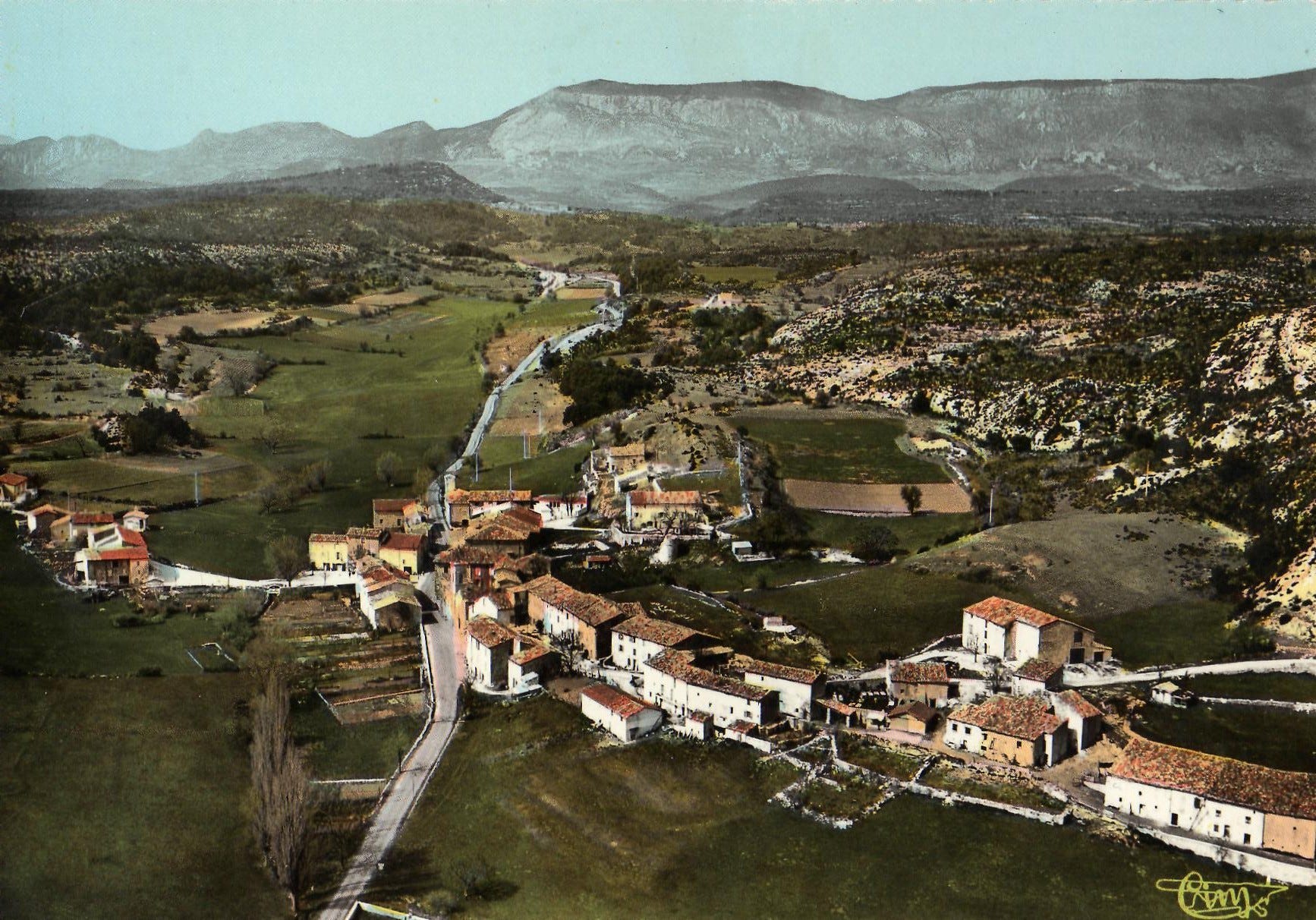
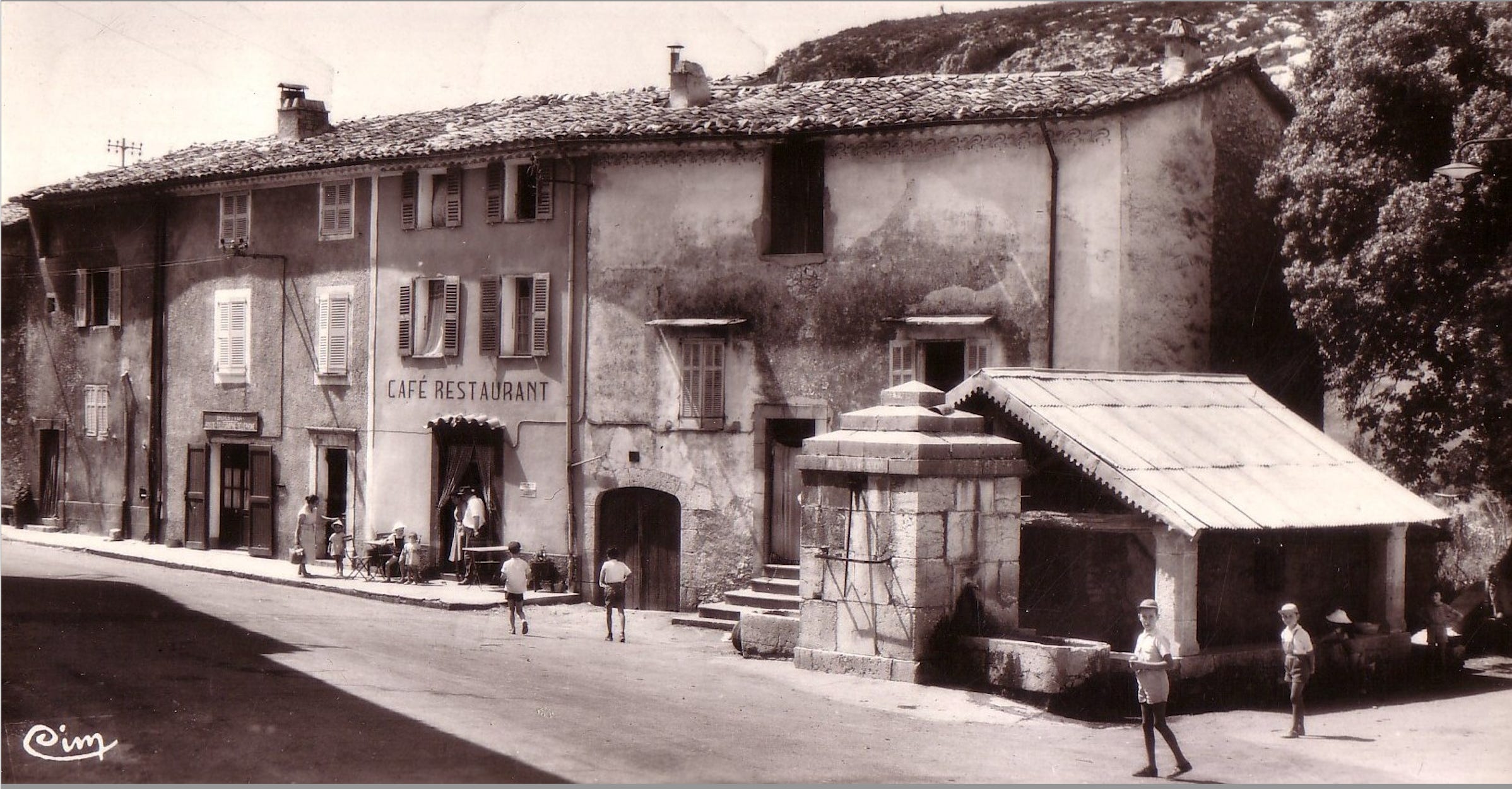
In 1954, Brovès had barely a hundred residents and just five streets. Alongside its houses, the village had a bakery, a grocer’s, a café-restaurant, a school, a post office and a town hall. Yet its territory covered no less than 3,000 hectares, only three of which were built on. Plenty of room for military activities, then. In 1931, the French government had already built a small firing range on the edge of the commune, where more than 4,000 soldiers were stationed for several months each year. Four thousand soldiers to a hundred Brovésiens: it was a recipe for trouble.
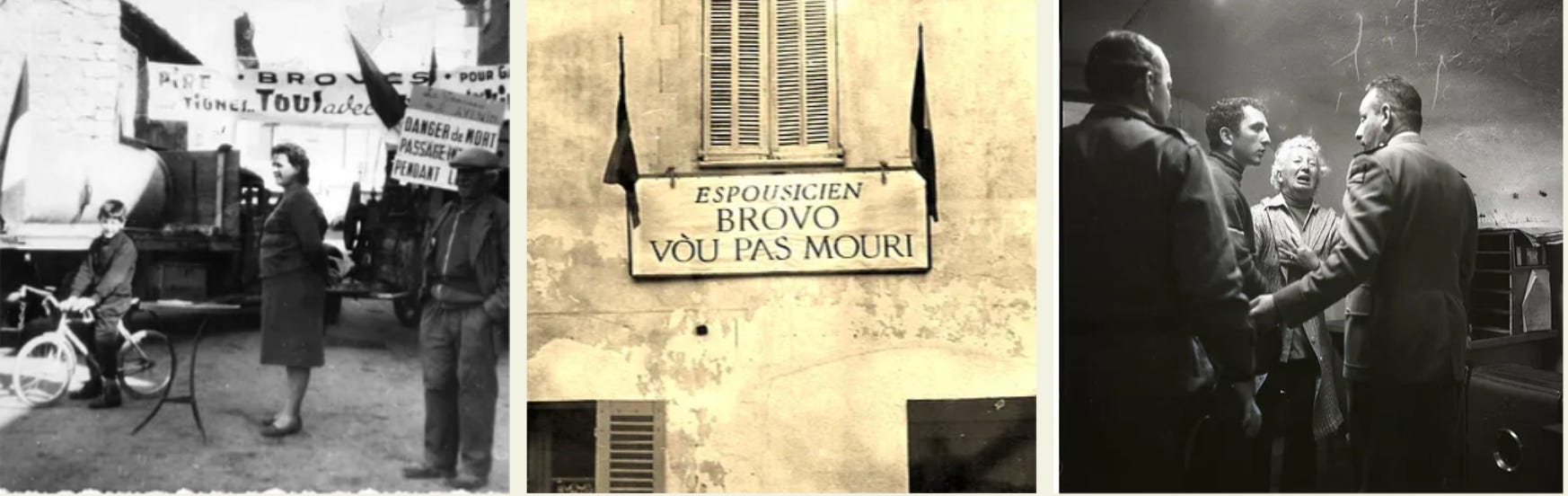
The firing exercises caused damage and fires, while the soldiers regularly trespassed on private land, much to the villagers’ fury. Although the government had repeatedly discussed expanding the firing range since it was built, these plans had never materialised. The 1950s came and went, and the project appeared to have been shelved. But 1962 was another turbulent year for the French government. That year, France also lost its colony of French Algeria. The government suddenly found itself short of military training grounds, having previously used the Algerian desert for this purpose. In short, Camp de Canjuers had to be built as quickly as possible, and all the surrounding communes would have to make way for it.
Le village qui ne voulait pas mourir
The plans for the military training ground were unveiled with great fanfare in the spring of 1962. Camp de Canjuers, it was claimed, would create jobs and boost the regional economy. What went unmentioned was that the surrounding communes would have to surrender almost all their undeveloped land, while Brovès, right at the heart of the site, would have to disappear altogether. At first, the residents remained fairly unconcerned, but that soon changed when the government pressed ahead with its plans. In the spring of 1963, the mayors of the eighteen affected communes organised several protests. They blocked the roads crossing the Plateau de Canjuers, key routes towards the Gorges du Verdon, the region’s main tourist attraction. One of these blockades caused a long tailback on the D25. Tractors, logs and flocks of sheep barred the road, leaving motorists unable to continue their journey. The Brovésiens hung banners bearing slogans such as ‘Brovès, the village that refuses to die!’ and ‘The army is hunting us down, help us survive!’ Stranded travellers could sign a petition and were offered wine and snacks to make the long wait more bearable.
Several major organisations also took up the cause of the plateau’s defiant residents. Le Mouvement de la Paix, the French peace movement opposed to the expansion of military power, organised a demonstration that drew more than 5,000 protesters. Hundreds of cars and buses were parked in the fields around Brovès.
The Brovésiens could scarcely believe their eyes and were deeply moved by the arrival of so many people who had come to show their support. But despite the many expressions of solidarity from politicians, public bodies and activist groups, the government remained unmoved: Camp de Canjuers would be built. The residents of the doomed village of Brovès were given a ten-year reprieve, until 1974, to find somewhere else to live.
No mercy
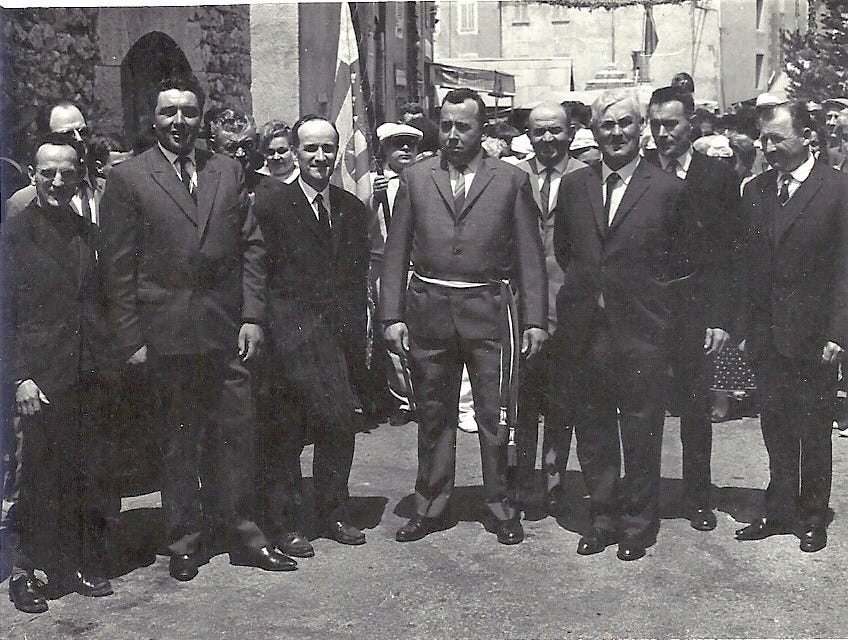
At the time of the struggle against expropriation, Félix Lambert was the mayor of Brovès. His father, Achille Lambert, had held the office before him. During the roadblocks, 78-year-old Achille said in an interview: ‘What do you want me to say? I can’t start a new life somewhere else. I’ve already spent a lifetime here. I love my land and my sheep. I live off the land. It is my right. No one can put a price on that.’
His son Félix led the protest until the bitter end and even managed to gain the ear of Prime Minister Georges Pompidou. But it was no use. In an interview, he said bitterly: ‘We tried everything to save our land: protests, petitions, roadblocks, even a journey to Paris. Nothing worked. There was no mercy for us.’
Fifty lorries
Once it became clear that the Brovésiens really would have to leave, support for the villagers disappeared almost overnight. Many residents conceded defeat and sold their land to the government. This created deep divisions between the ‘diehards’, who would fight for the village until the very last day, and the Brovésiens who cut their losses and left.
As a result of the compulsory sale of their land, the villagers received a sum of money in 1964. They were required to use it to buy land for a new Brovès. Unfortunately, they were unable to reach an agreement, and by the time plots near the neighbouring village of Seillans were finally purchased in 1974, inflation had rendered the money almost worthless. In the end, only three families moved to the new Brovès-en-Seillans.
A handful of Brovésiens chose to remain in the village until the bitter end. In late May 1974, the last 22 residents received an eviction order from the local gendarmerie. At six in the morning on Friday 7 June, fifty army lorries drove into the village. Many residents stood in their doorways, overcome with emotion, as soldiers helped load their suitcases into the lorries.
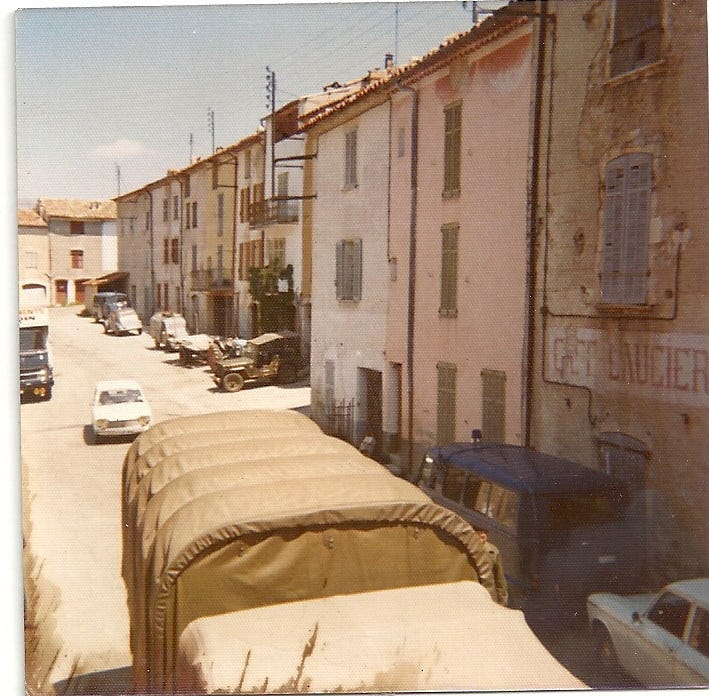
Suitcases were all the Brovésiens were allowed to take with them. They even had to hand over their house keys. Once the last villagers had been taken away, the electricity and water were cut off at four that afternoon. The official end of Brovès.
Les anciens et amis de Brovès
Every year on Whit Monday the Brovésiens gather on a hill beside Brovès. Whit Monday had always been an important feast day for them, and the expropriation did not break that tradition. Each year, a service is held in the old chapel of Saint-Romain, followed by a celebratory picnic. These gatherings on restricted land can only take place with permission from the colonel at Camp de Canjuers. Fortunately, the Brovésiens have been allowed to enter the site and walk through their old village every year since 1974. Almost everyone present is an active member of the Association des Anciens et Amis de Brovès. A chance not only to share memories of the past, but also to admire the restoration work. New generations of Brovésiens play football on the grass, while childhood friends throw their arms around one another and talk animatedly.
The Brovésiens’ aim? To keep the memory of the village alive. To preserve the ruins of Brovès as an open-air museum, so that the history of this village fantôme is never forgotten.
À bientôt
Suzanne
Introducing Contributor Suzanne Rietmeijer
Visit her Contributor Page — Explore more of Suzanne’s work