30 French phrases to know to make your next trip to Paris easier
 Tomas k - Senior News Editor
I’ve told you a lot about French culture, the Parisian lifestyle, great spots in Paris, and hidden gems, but never about the main tool for discovering France and its secrets: the language itself! The good news is that you don’t need to be fluent in French to get by in Paris or the rest of the country.
Even though English is widely understood and spoken in France (albeit not quite as well as in some of our European neighbors’ countries), I still recommend mastering a few essential French phrases before you leave. You only need about thirty well-chosen phrases, spoken confidently and with a decent accent. Here is your survival kit, categorized by the situations where you’ll actually need them.
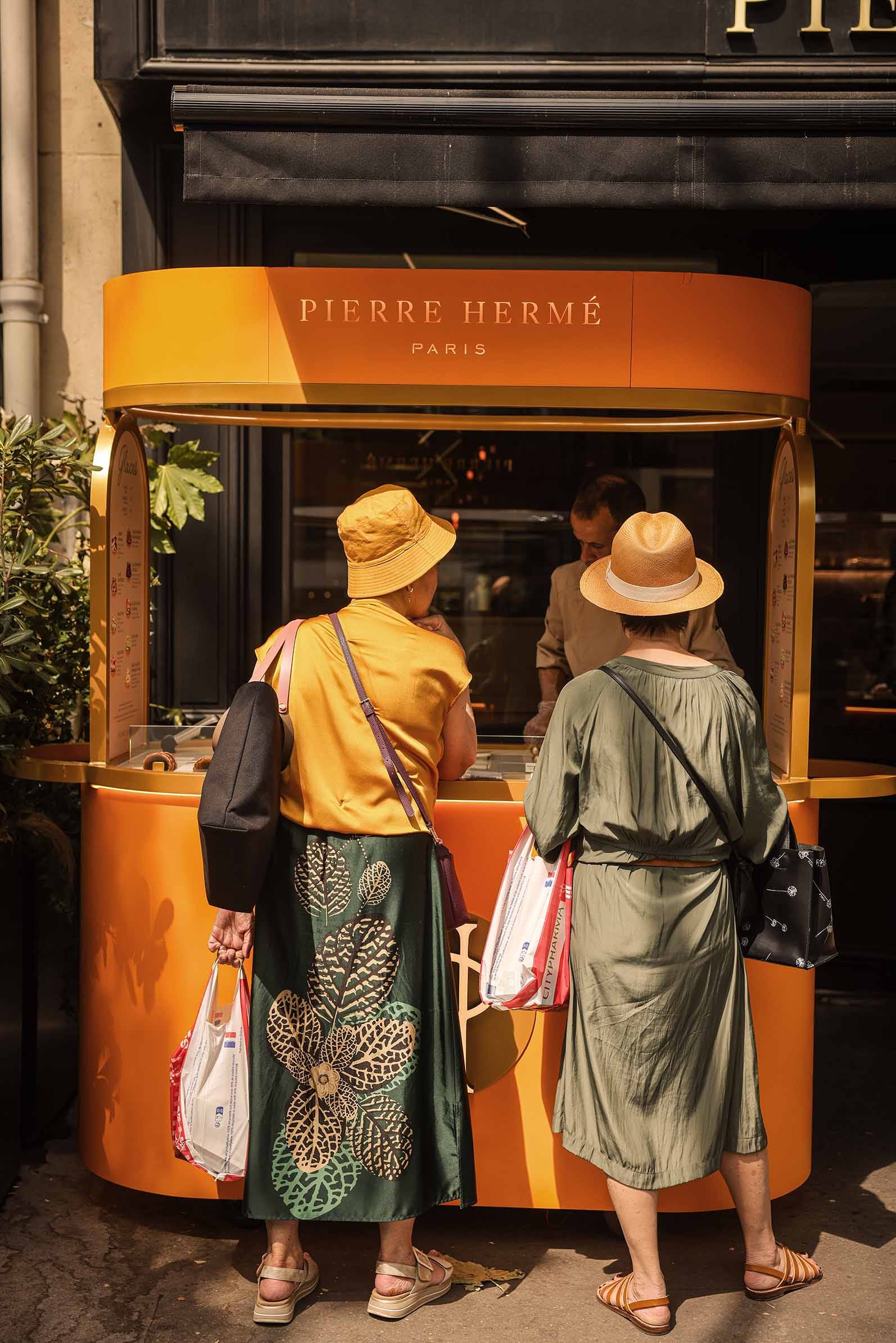
To start, the golden rule: before we even get to the useful phrases, here is a cultural tip that matters more than grammar: always say “Bonjour” first. Walking into a bakery or shop, or even asking a stranger for directions, without starting with “Bonjour” is considered truly impolite in France; it is the deciding factor that distinguishes a tourist who receives a warm welcome from one who doesn’t. Say it, smile, and then ask your question.
Greetings and Politeness (the non-negotiables)
“Bonjour!” ( Hello / Good day!)
“Pardon de vous déranger…” ( Sorry to bother you…) If you need to stop someone on the street to ask for directions.
“S’il vous plaît” / “Merci beaucoup” ( Please / Thank you very much)
“Bonsoir !” ( Good evening! )
“Bonne journée !” / “Bonne soirée !” ( Have a nice day! / Have a nice evening! )
At the bistro or restaurant: ordering like a true Parisian
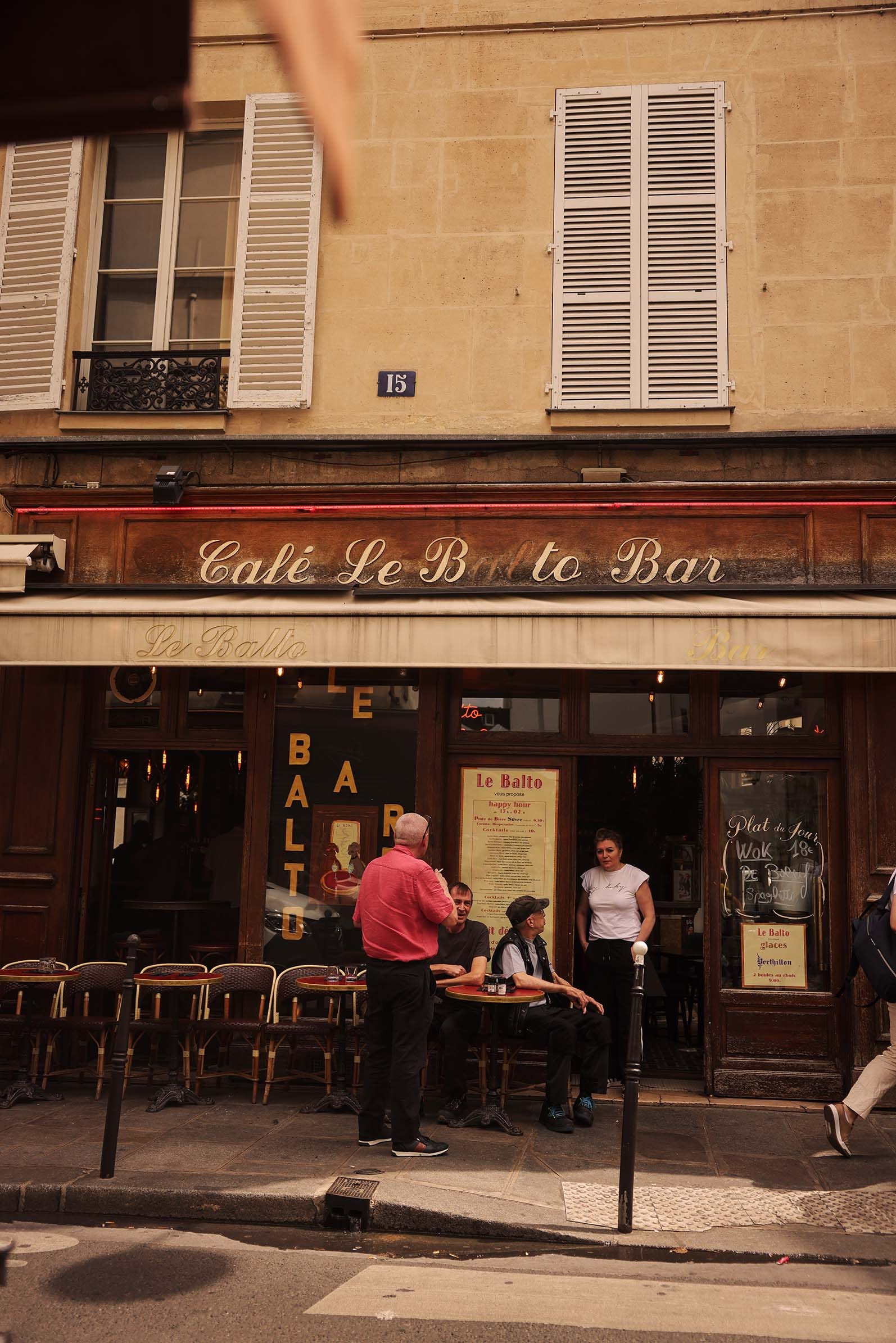
“Est-ce qu’on peut s’installer en terrasse ?” ( Can we sit on the terrace? )Before pouncing on the first available outdoor table, it is customary to catch the waiter’s eye and ask.
“Un café, s’il vous plaît.” (An espresso, please)Note: In Paris, if you simply ask for “un café,” you will be served a strong espresso. If you want a longer coffee with a drop of milk, ask for a “café noisette” or a “grand crème.”
“Excusez-moi…” (Excuse me… ) Never call a waiter “Garçon!” (That isn’t done at all anymore.) A polite “Excusez-moi,” accompanied by a slight wave of the hand as he passes your table, is perfect.
French Glimpses is a reader-supported publication. To receive new posts and support my work, consider becoming a free or paid subscriber.
“Qu’est-ce que vous me conseillez ?” ( What do you recommend?) This shows the sommelier serving you that you trust their expertise, and they will be delighted to introduce you to their finest wines.
“Pourrais-je avoir la carte des vins s’il vous plait?” (The wine list, please.) When browsing the wine list, don’t overlook lesser-known appellations that often hold delightful surprises. Instead of opting for a classic Chablis, why not try a Grignan-les-Adhémar or an Irouléguy—a Basque wine that pairs perfectly with meat? These up-and-coming appellations offer wines with real character that are often very affordable.
“Une carafe d’eau, s’il vous plaît.” (A jug of tap water, please.) Tap water in Paris is excellent and free in restaurants. If you simply ask for “water,” you might be served a bottle of mineral water that you have to pay for.
“Je vais prendre en entrée…” (I’ll have the… for the starter. )
“En plat, ce sera…” (For the main course, I’ll have… )
“Comme dessert, je voudrais…” (For dessert, I’d like…) In France, meals generally consist of a starter, a main course, and a dessert.
“On peut avoir l’addition, s’il vous plaît ?” (Could we have the bill, please?) In France, a waiter won’t bring you the bill; they will let you enjoy your meal, and it is up to you to signal them and ask for the bill so they can bring it to you.
On the metro and in the street
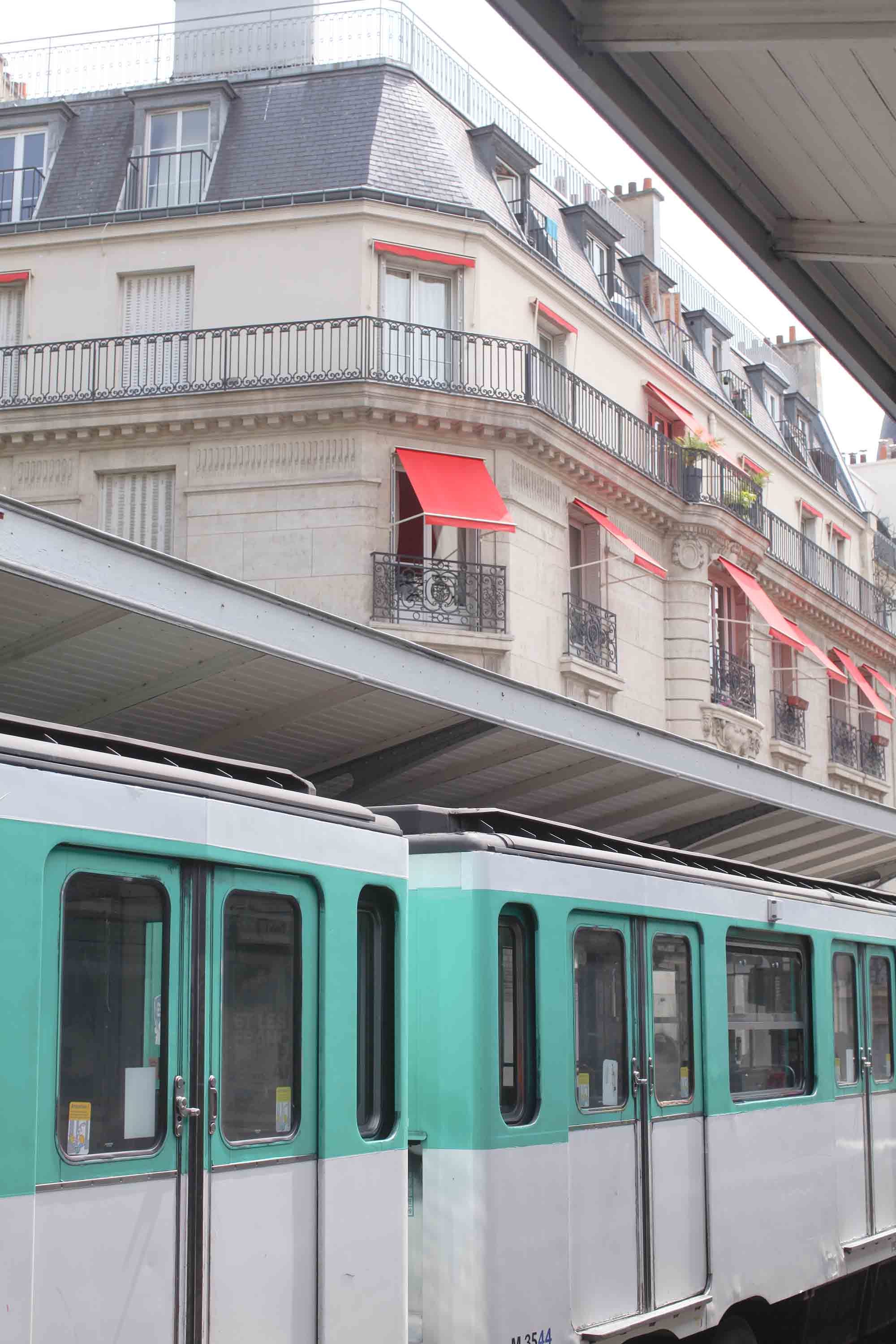
“Pardon, je descends à la prochaine.”( Sorry, I’m getting off at the next stop.) Say this firmly but politely when the metro car is crowded and you need to make your way to the automatic doors.
“Est-ce que ce train s’arrête à [Destination] ?” ( Does this train stop at [Destination]?) I recommend downloading an app: use Citymapper, Google Maps, or RATP to plan your journeys.
“Je cherche la station de métro la plus proche.” (I’m looking for the nearest metro station.) I recommend buying a Navigo card if you are staying for more than a few days and plan to take the metro every day; it’s cost-effective. There are also day passes available for €12.30 that offer unlimited travel for one day.
“C’est par où pour aller à… ?” ( Which way is it to go to…? )
“Est-ce que c’est loin à pied ?” (Is it far on foot?) I recommend avoiding the metro as much as possible; Paris is a city that is easily explored on foot. You can walk from one neighborhood to another without even realizing it, and it is so much more pleasant to visit a city out in the open air. Alternatively, you can rent a Vélib’, Paris’s bike-share service.
“Une baguette tradition, bien cuite, s’il vous plaît !” ( A traditional baguette, well baked, please!) The ‘baguette tradition’ is more natural, uses a long fermentation process, and contains no additives, unlike the standard baguette.
“Puis-je prendre une photo?” (May I take a picture?) If you wish to take a photo of an artisan or a private space.
“Je regarde pour le moment merci.” ( I’m just looking for now, thank you. ) When a salesperson asks if you need help.
“Est ce que je peut l’essayer?” ( Can I try this on? )
“Quel est le montant minimum pour la carte bancaire?” (What is the minimum amount for card payment? ) Even though contactless payment is everywhere, some small shopkeepers still set a minimum (often between 1 and 5 euros) for card payments.
In case of emergency
“Excusez-moi, vous parlez anglais?” (Excuse me, do you speak English?) If you need to switch to English, always ask this question in French first! It shows you’ve made the effort to try, and the person you’re speaking to will do their best to help you.
“Je suis perdu, pouvez-vous m’aidez?” ( I’m lost, can you help me? )
“Où sont les toilettes s’il vous plait?” ( Where are the restrooms, please? ) To avoid having to hunt for a restroom while walking the streets of Paris, I recommend downloading the “Toilettes à Paris” app; it displays the locations of all public toilets, as well as those in parks, gardens, and the RATP transport network. You can search for toilets near your current location or search by address.
“La batterie de mon téléphone est déchargée” (My phone is out of battery. ) Useful if you need to politely ask a waiter to charge your phone for a few minutes behind the counter.
“Je ne comprends pas” ( I don’t understand.)
“Pouvez-vous répéter plus lentement, s’il vous plaît ?”( Could you repeat more slowly, please? )
“Je suis allergique à… ”( I am allergic to… )
A few additional cultural notes
In addition to these phrases, here are some essential rules to know. First, always punctuate the end of your sentences with “s’il vous plaît” (please); without it, they might seem abrupt and less polite.
Similarly, the distinction between the informal “tu” and the formal “vous” often confuses visitors.
As a general rule, use “vous” with anyone you do not know personally, shopkeepers, waiters, hotel staff, or strangers on the street. You are unlikely to offend anyone by being too formal, whereas excessive familiarity might be poorly received. It is also worth noting that Parisians have a reputation, though I find this is less true now than in the past, for being unfriendly toward tourists. However, I have noticed that shopkeepers are often warmer toward tourists who make the effort to speak a little French, even if they are clumsy or limit themselves to just a few phrases. It is the effort that demonstrates your courtesy; perfect command of the language matters little. Believe me, these few phrases will make your initial interactions with Parisians—or French people in general—much easier; sometimes, just a few words are all it takes.
Bon séjour à Paris!
Elisabeth
Introducing Contributor Elisabeth Perotin
Immerse yourself in her work on her Contributor Page here→