Chablis: Once Paris’ Wine to Purr-fect Chat -Blis Inspo
 Tomas k - Senior News Editor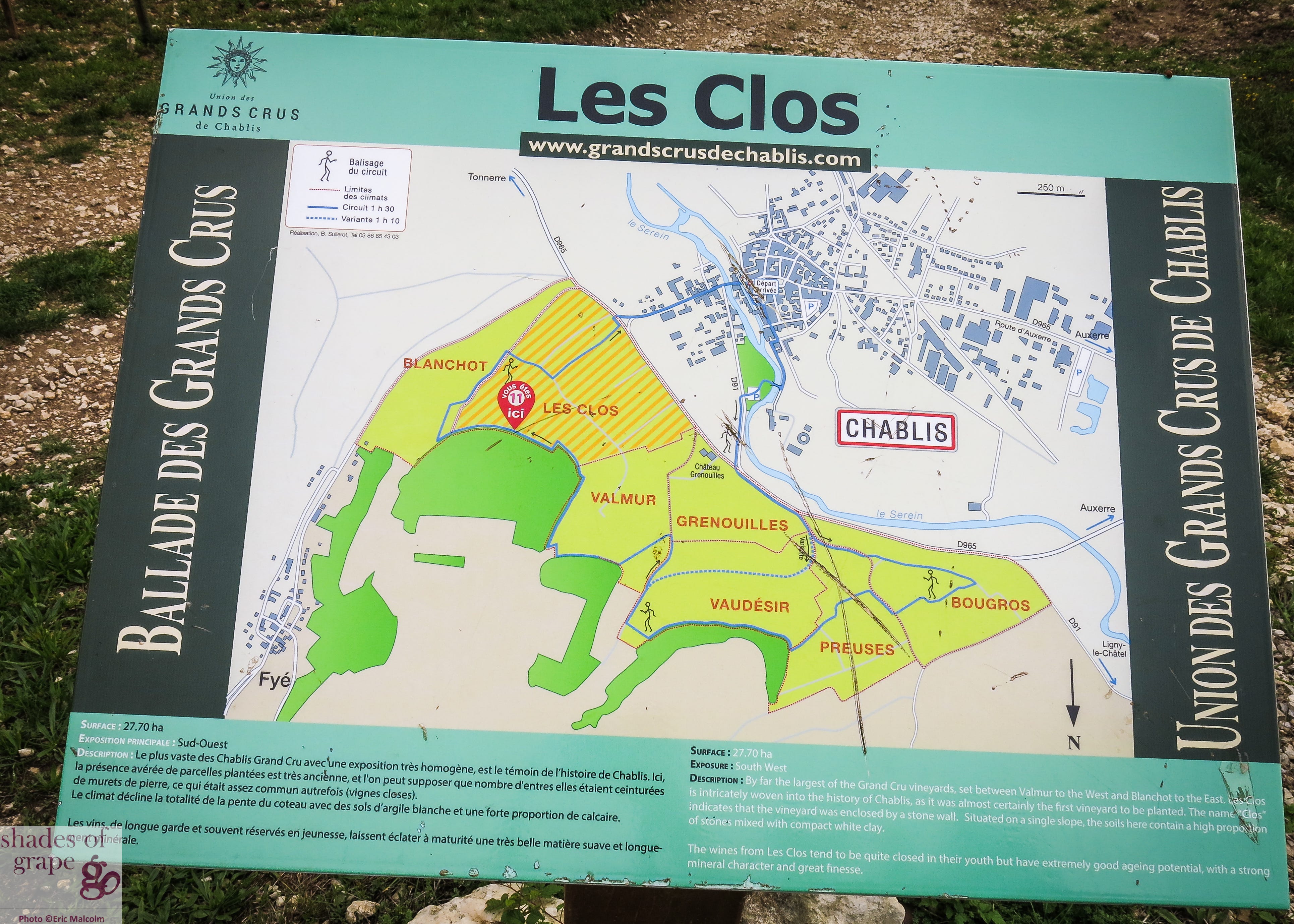
I am still stunned that people are surprised that I have been a long-time wine lover. Last month, someone asked about my transition from engineering work to wine consulting. He thought this wine thing was new for me. I told him I had been taking serious wine courses when we worked together in “corporate Canada”!
Little did he know that my interest, appreciation, and eventual obsession with wine have been long-lived. I naturally gravitated toward people who liked wine and became friends. As a young adult, I even named my first cat after a French wine region: Chat-Blis. The hyphenated name is a play on words for the French name for cat (chat) and the northern France wine region, Chablis, where the only allowed grape is Chardonnay.
What? I don’t like Chardonnay, but I love Chablis – or should I say Chat-Blis?
If I had a dollar for every time I heard that...
Chardonnay is one of the most adaptable grapes, both in terms of cultivation and winemaking. In fact, it’s one of the most widely planted white grapes globally, covering approximately 200,000 hectares of vineyards. It’s often referred to as a “blank canvas” because it can be transformed into a variety of styles depending on the winemaking.
At one end of the spectrum, a heavily oaked Charl,donnay that underwent malolactic fermentation and lees stirring may have rich, creamy, buttery notes. This style can be polarizing, both in terms of the flavour, and the texture, which feels heavier and more viscous. Meanwhile, unoaked Chardonnays will taste lighter and crisper. A good example is wine from Chablis.
Let’s dig into the styles within Chablis. But first, a little background.
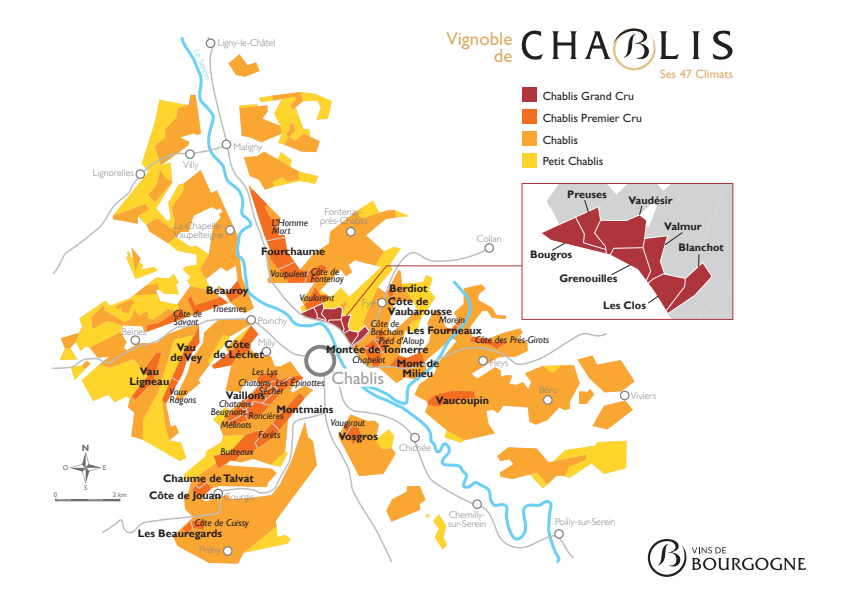
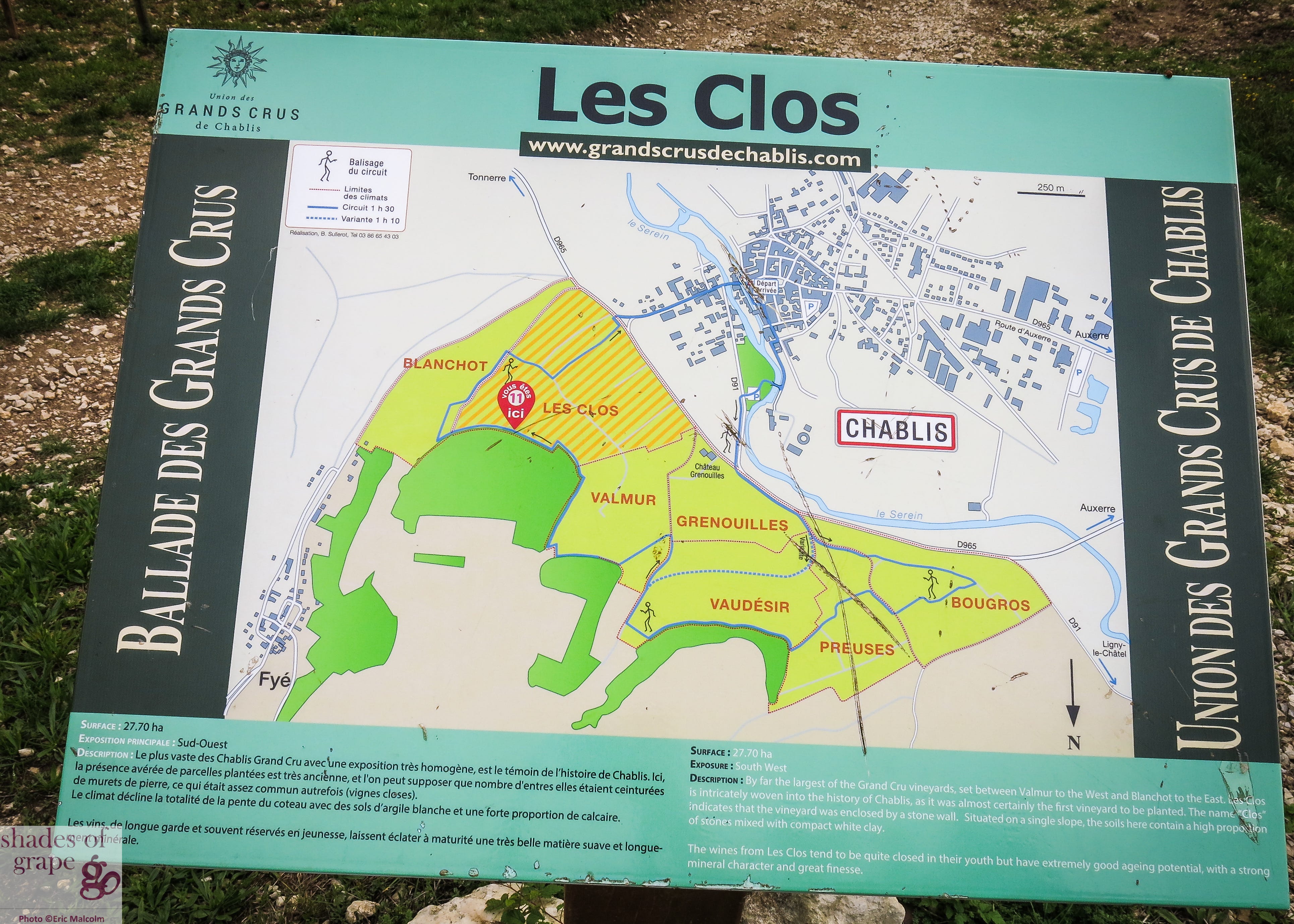
Chablis is a town and wine subregion in the most northern part of the Burgundy wine region. It is about 160 km (100 miles) southeast of Paris, and a similar distance south of Champagne’s Reims. In its heyday, Chablis regularly shipped its wines to Paris via river transport. Eventually, the railway from Marseilles to Paris was established. This meant that less costly wines from southern France were now available on the Paris market, hurting Chablis financially. When the phylloxera infestation (a louse that devastated wine vineyards) hit the region in 1887, there were about 40,000 hectares (about 100,000 acres) under vine. The two World Wars and a major frost in 1945 left only about 400 hectares (about 1000 acres) planted.
Yikes. I assume they eventually rebuilt themselves!
Cannot keep a good thing down! They now have a production area closer to 6000 hectares (about 15,000 acres)
The featured wine is a Petit Chablis.
Sounds cute – does it come in mini bottles?
(eye roll)
Let me explain the 4 different subregions within Chablis.
I had no idea there was more than one Chablis.
Petit Chablis was established in 1944 and currently makes up about 20% of Chablis’ land. What makes Petit Chablis lands stand out is that it tends to contain Portlandian soils (limestones with lower clay content) versus the rest of Chablis, which has Kimmeridgian soils (limestone with clay and a large amount of fossilised seashells). They are also generally at higher altitudes and cooler but on flat ground or a small incline.
Chablis was one of the first subregions established (along with the Chablis Grand Cru subregion) in 1938. It is the largest, producing 65% of all Chablis wines.
Both Petit Chablis and Chablis are generally on flat land or sometimes on slight inclines with varying aspects (orientation), but mainly north facing. These will be the lighter-bodied wines with relatively more subtle intensity.
Chablis Premier Cru subregion has 40 named vineyards that have south and southeast facing slopes, and the Chablis Grand Cru subregion has 7 south facing named vineyards. These will generally have more weight and intensity than the Petit Chablis and Chablis, with the Grand Cru being the fullest of the four.
Chablis Premier Cru was the last to be created in 1967, and comprises about 13% of the area, while Chablis Grand Cru makes up a scant 1.5%
These different styles mean that generally Petit Chablis should be served at the coolest temperature at 8 -10 C (46 - 50 F), the Chablis and the Chablis Premier Cru slightly warmer at 10 -11 C (50 - 52 F), and the most full-bodied Grand Crus to be served closer to 12 - 14 C (54 - 57 F).
Wow I cannot wait to try all the subregions to compare their styles! Looking forward to the featured wine below.
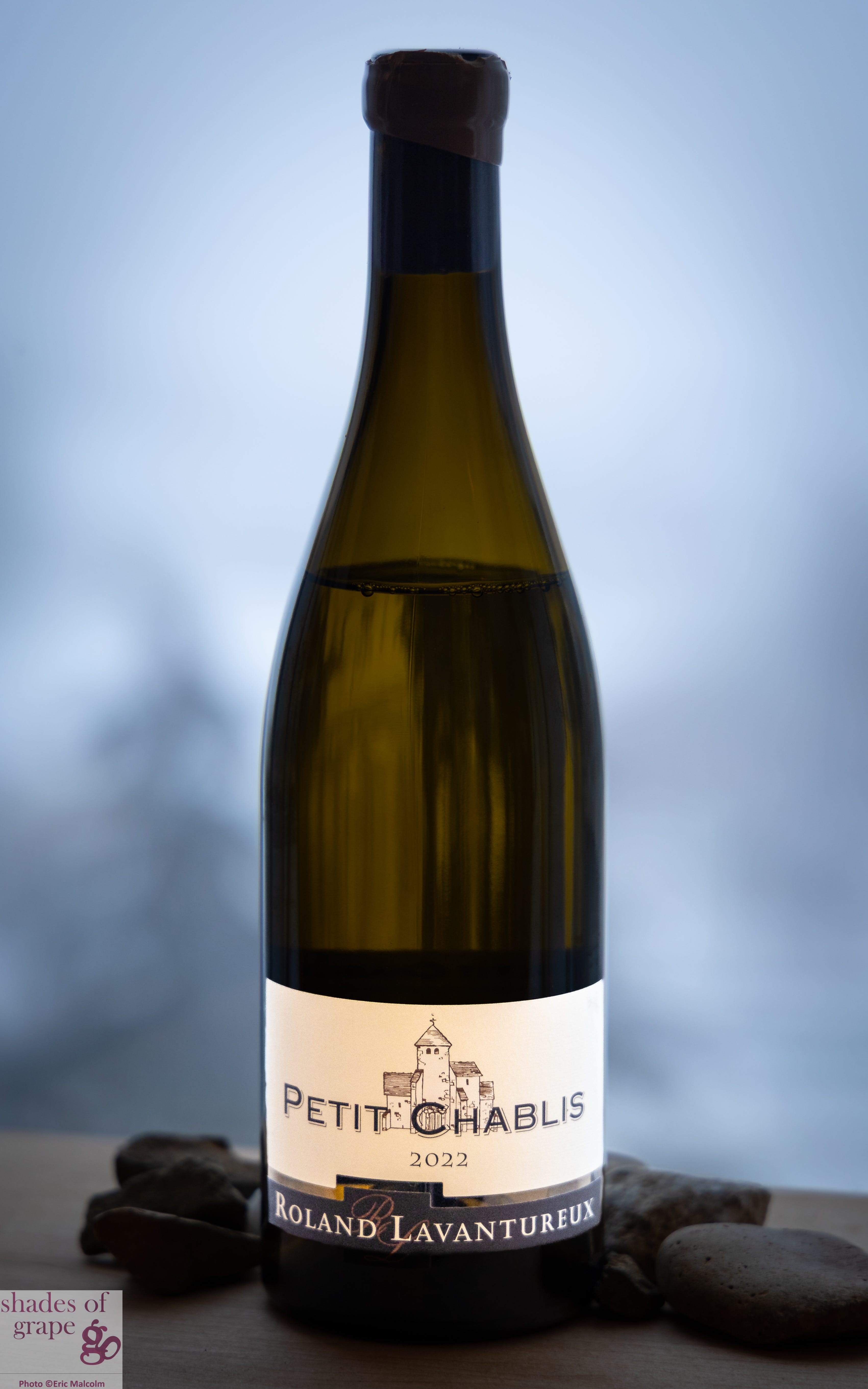
Roland Lavantureux Petit Chablis 2022, from Chablis, Burgundy, France
Style: Dry Medium Body Minerally White Wine
Varieties: 100% Chardonnay
This elegant wine has flavours of pear, red apple, lime, lemon, lemon meringue, almond skin, flint, wet stone, with hints of cream, biscuit, butter, pastry, and herbal notes. This fresh wine has a moderate intensity and a long finish.
Best pairings: Seafood: Oysters, clams, mussels, scallops, or light white fish like sole or cod; Shellfish: Lobster or crab, especially with a simple butter or citrus sauce; Lightly seasoned chicken; Fresh salads; Asparagus; Cheeses: Soft, mild cheeses like goat cheese or young Brie.
Serving Temperature: 8 -10 degrees Celsius
Serving Tips: An optional quick decant wouldn’t hurt - I noticed the second day it had more intensity and precision of flavours
Price: ~$36 Cdn
Relevant Shades of Grape links: Keep scrolling
Introducing Contributor, Eveline Chartier:
Visit her Contributor Page — Explore more of Eveline’s work
MyFrenchLife™ – MaVieFrançaise® is a reader-supported publication. To receive new posts and support my work, consider becoming a free or paid subscriber.