Claude Monet and His Centenary Year
 Tomas k - Senior News Editor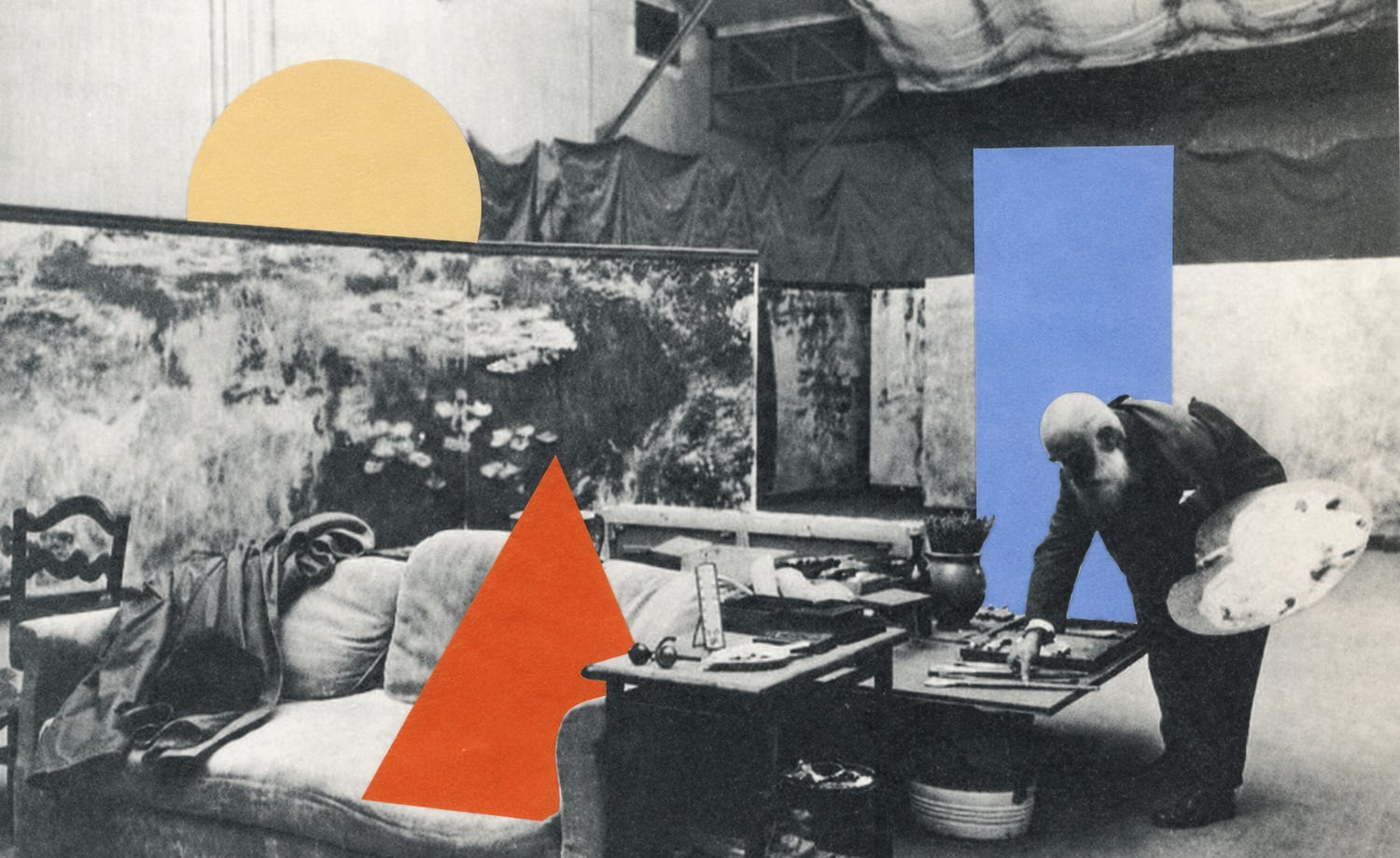
Coucou,
I might as well confess: last autumn, I finally went to Giverny and visited Monet’s house and gardens for the very first time. Yes, really. Call me a cultural barbarian, but with 750,000 visitors a year, I had mostly pictured a Disney-esque attraction, all tour groups and guides with little flags. Then, in late October, while trying to come up with a birthday outing for my boyfriend, I suddenly thought: autumn in Giverny. Actually… why not?
There were no water lilies, of course, but the garden was beautiful: still in bloom here and there, and full of those properly autumnal reds and oranges. The other great advantage? It really wasn’t that busy. Admittedly, it was a very DINK outing – double income, no kids – as we were there on a Wednesday in October outside the school holidays. But still: worth it.
This year, Normandy and Île-de-France are marking the so-called Centenaire Claude Monet, honouring 100 years since the painter’s death. Dozens of exhibitions and events explore Monet’s entire career, from the difficult early years in Paris to the end of his life, when he had all but retreated to Giverny. Which Monet exhibitions are worth seeing if you can? I
I’ll also take you on a whistle-stop tour of the painter’s career, with important stops in Paris, along the Seine and at his breakfast table in Giverny. Looking back on his life, Monet is said to have remarked:
‘Qu’y a-t-il à dire de moi? Que peut-il y avoir à dire, je vous le demande, d’un homme que rien au monde n’intéresse que sa peinture – et aussi son jardin et ses fleurs?’
But did he really care only about his garden and his flowers? Claude Monet was no easy man: he had a fiery temper and could be easily discouraged. Yet he was also a tireless worker who braved the elements for his art and, although he withdrew to Giverny, rarely sat down to dinner alone.
So this week, we look at the complex man behind the water lilies: the artist who would become the great figurehead of Impressionism, just in time for the second half of the Centenaire Claude Monet.

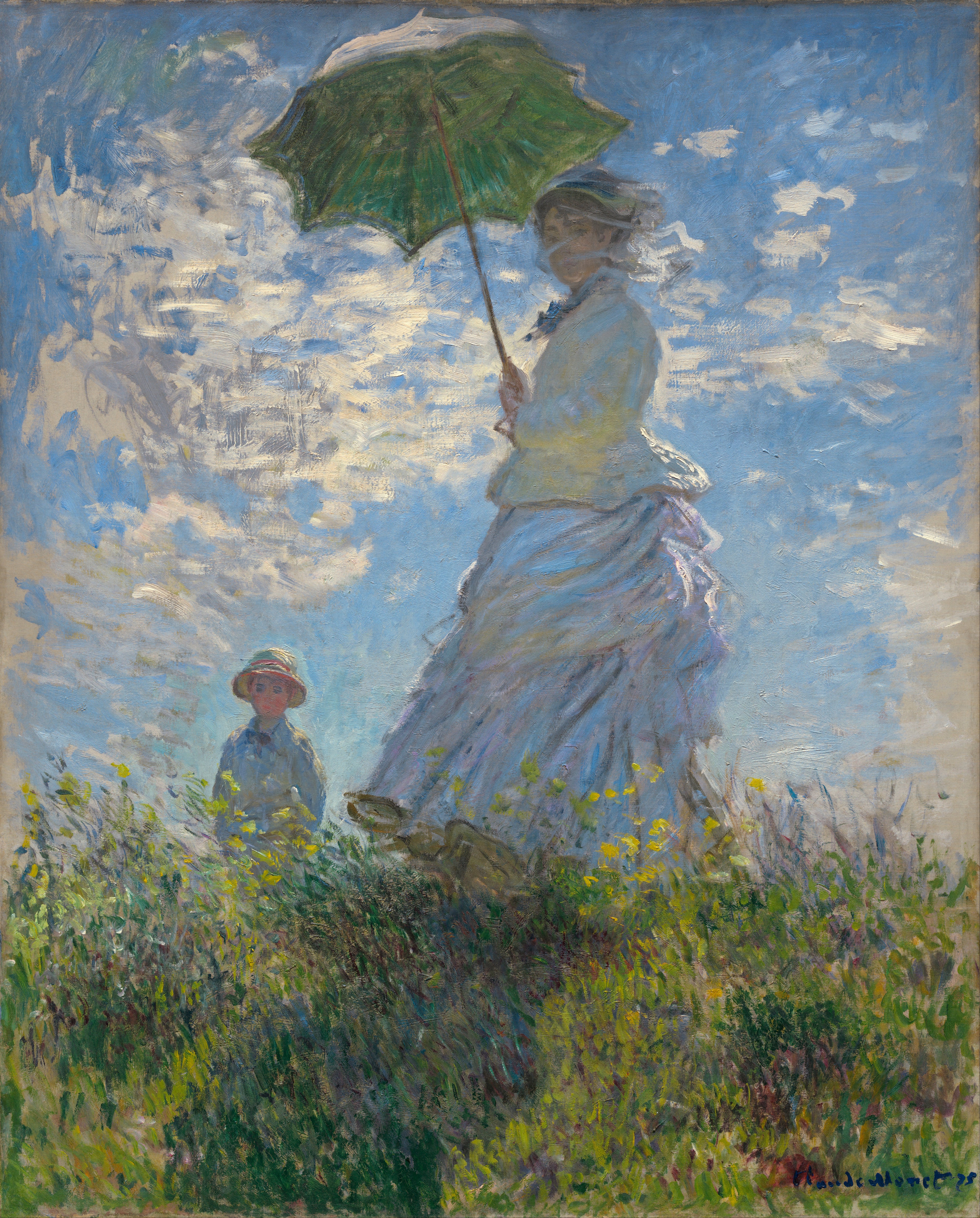
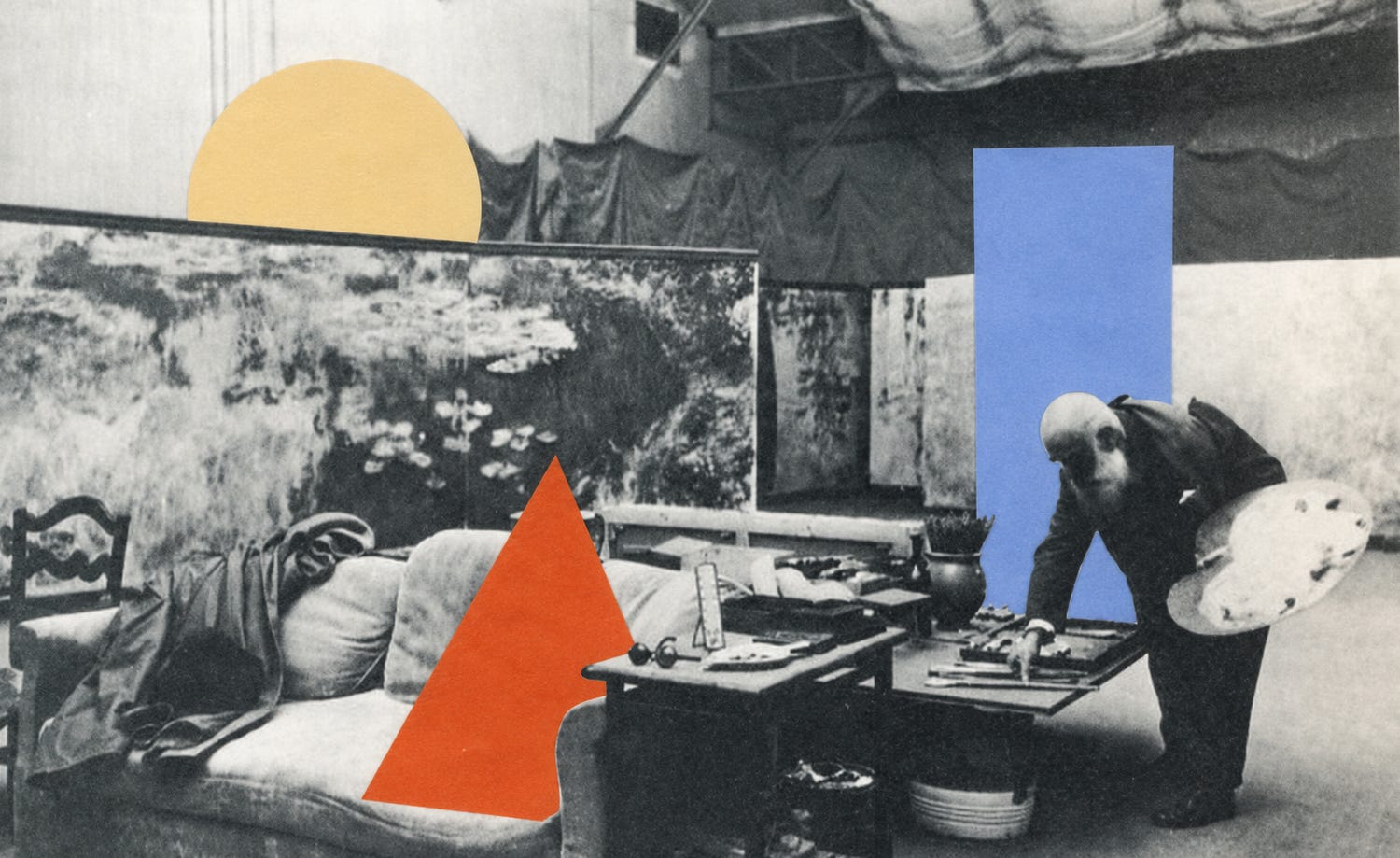
Nearly a hundred years ago, on 5 December 1926, Claude Monet died in his bedroom in Giverny. According to a well-known anecdote, Monet’s close friend Georges Clemenceau replaced the traditional black mourning cloth on his coffin with light, flowered curtains, saying:
‘Pas de noir pour Monet, le noir ce n’est pas une couleur.’
Did he really say it? We will never know, but it does capture Monet’s world rather beautifully: everything revolved around light and colour.
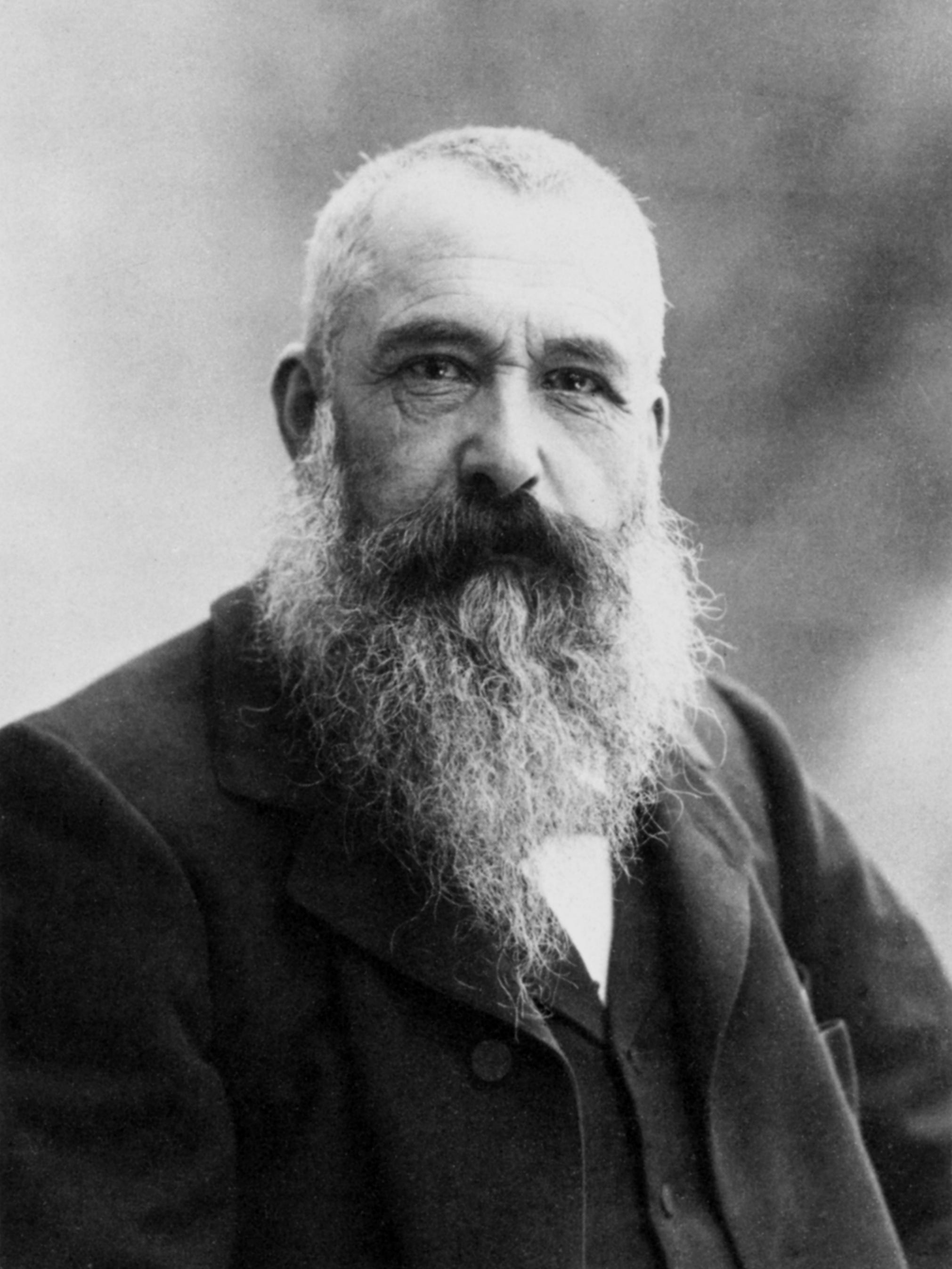
With almost two thousand paintings in museums and collections around the world, Monet is without doubt the best-known Impressionist, and his works are inseparable from the landscapes stretching from Paris to the Normandy coast. But he was not the only one. In the second half of the nineteenth century, Renoir, Degas, Caillebotte, Morisot and Pissarro also took to the open air, setting up their easels along the banks of the Seine and on the Normandy coast.
It is hardly surprising, then, that major Paris museums such as the Musée d’Orsay, Musée Marmottan Monet and Musée de l’Orangerie, together with museums in Normandy, hold the largest permanent Impressionist collection in the world. And beyond the museums, of course, you can also visit the artists’ houses and studios where this Impressionist art was made.
Old-fashioned
Monet may be wildly popular today, but he was also highly successful during his lifetime, unlike his friend and fellow Impressionist Alfred Sisley, who only found fame after his death and died in poverty. Monet’s work was already being exhibited in London from around 1870, and from the 1880s onwards he sold increasing numbers of paintings to wealthy collectors in the United States. That is one reason why so many of his masterpieces can now be found in American museums. Many of his paintings also ended up in Germany, Italy and Japan. Japan, in particular, held a special significance for Monet, who collected Japanese prints himself and drew considerable inspiration from their compositions.
After he died in 1926, however, that fame faded for a time. There was little public interest, for example, when the first Salle des Nymphéas opened at the Musée de l’Orangerie in Paris in 1927. More broadly, Impressionism was considered rather old-fashioned and out of step with the times well into the post-war period. It was ultimately Abstract Expressionists such as Jackson Pollock, Willem de Kooning and Joan Mitchell who helped bring Monet back into the spotlight from the 1950s onwards, recognising something distinctly modern in his work.
Young guns
Oscar-Claude Monet was born in Paris in 1840, but grew up in the Normandy port city of Le Havre, where he began drawing and painting outdoors at an early age. In his twenties, he moved to Paris several times, then the centre of the international art world. There, he met young artists such as Renoir, Sisley, Pissarro and Cézanne, who wanted to break away from an art world dominated by grand historical and mythological scenes. Instead, these young artists wanted to capture the world as it really was, with an eye for natural light and modern life.
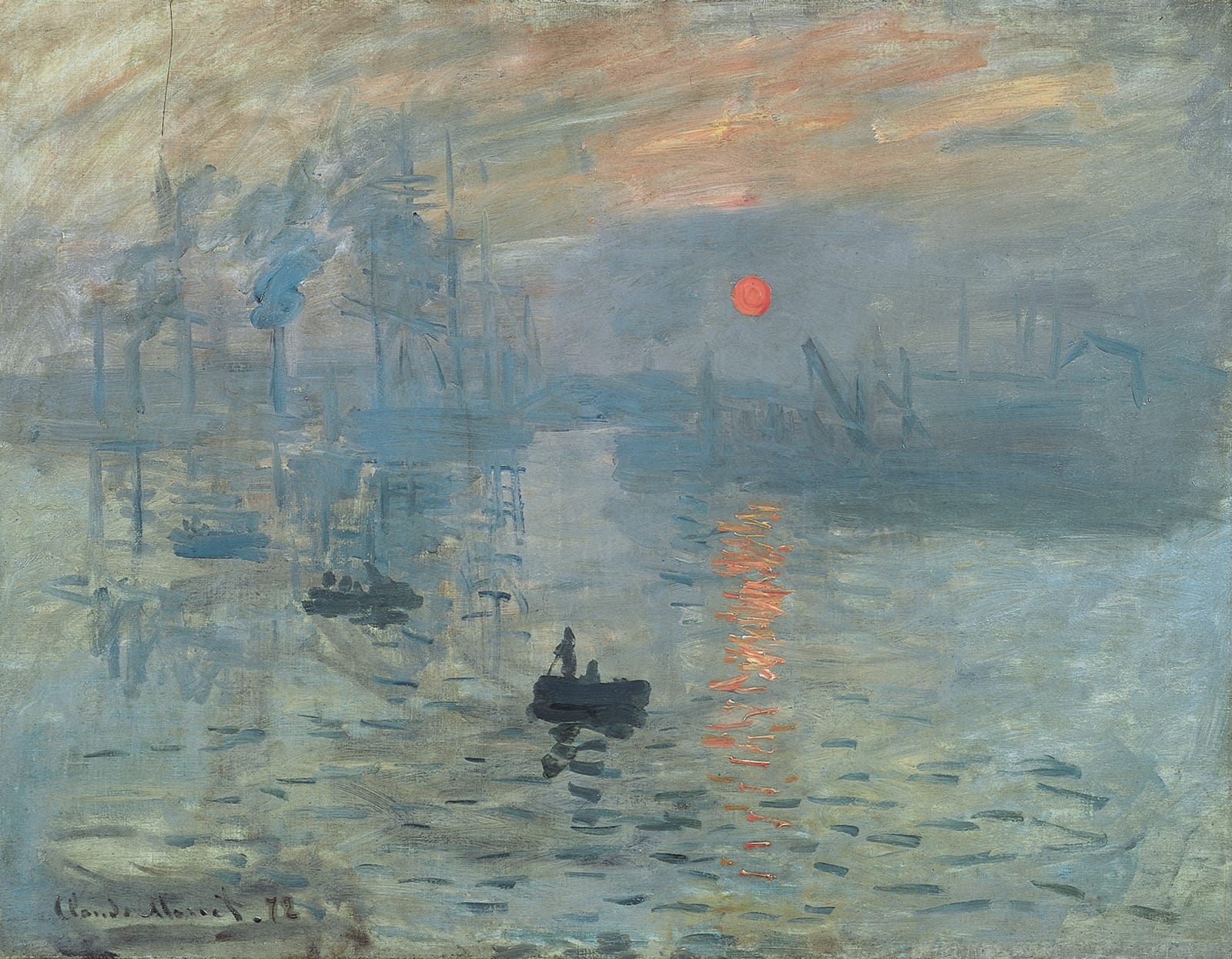
Monet enjoyed some modest success during his early years in Paris, but after repeated rejections, he soon decided to organise alternative group exhibitions with other artists. In 1874, a critic mockingly called them Impressionists, a term the artists quickly adopted almost as a badge of honour. The Impressionists became increasingly successful, but Monet continued to struggle financially. He moved often to escape creditors, including several times back to Normandy. During these restless years, however, he found his favourite subject in the broad stretch between Paris and Normandy. He painted seaside resorts such as Sainte-Adresse and Trouville-sur-Mer, as well as the wilder coastline of Fécamp, Pourville-sur-Mer and Étretat. The Seine Valley, too, became an inexhaustible source of inspiration, and throughout his career he painted countless river landscapes, fields, bridges and trains.
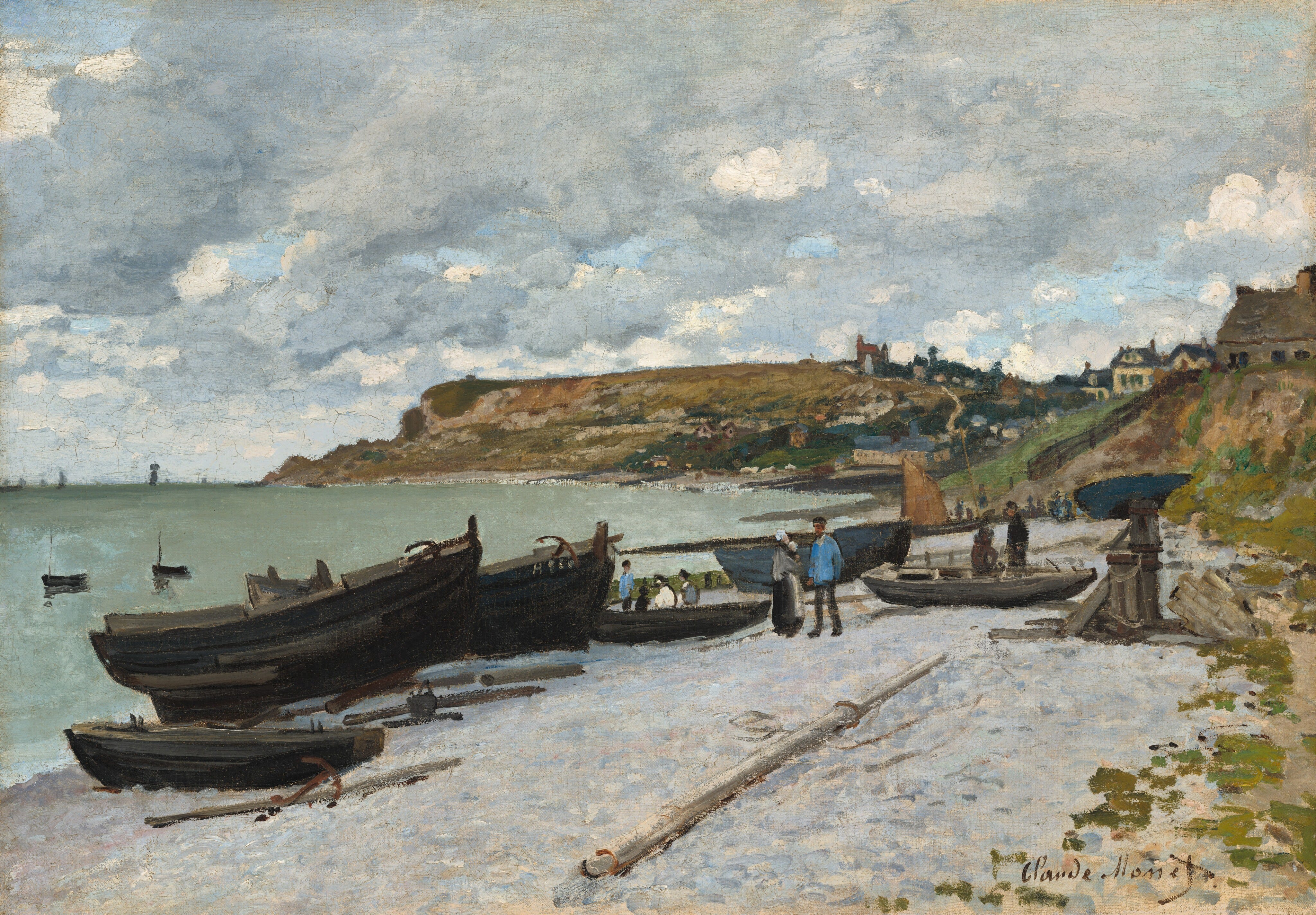
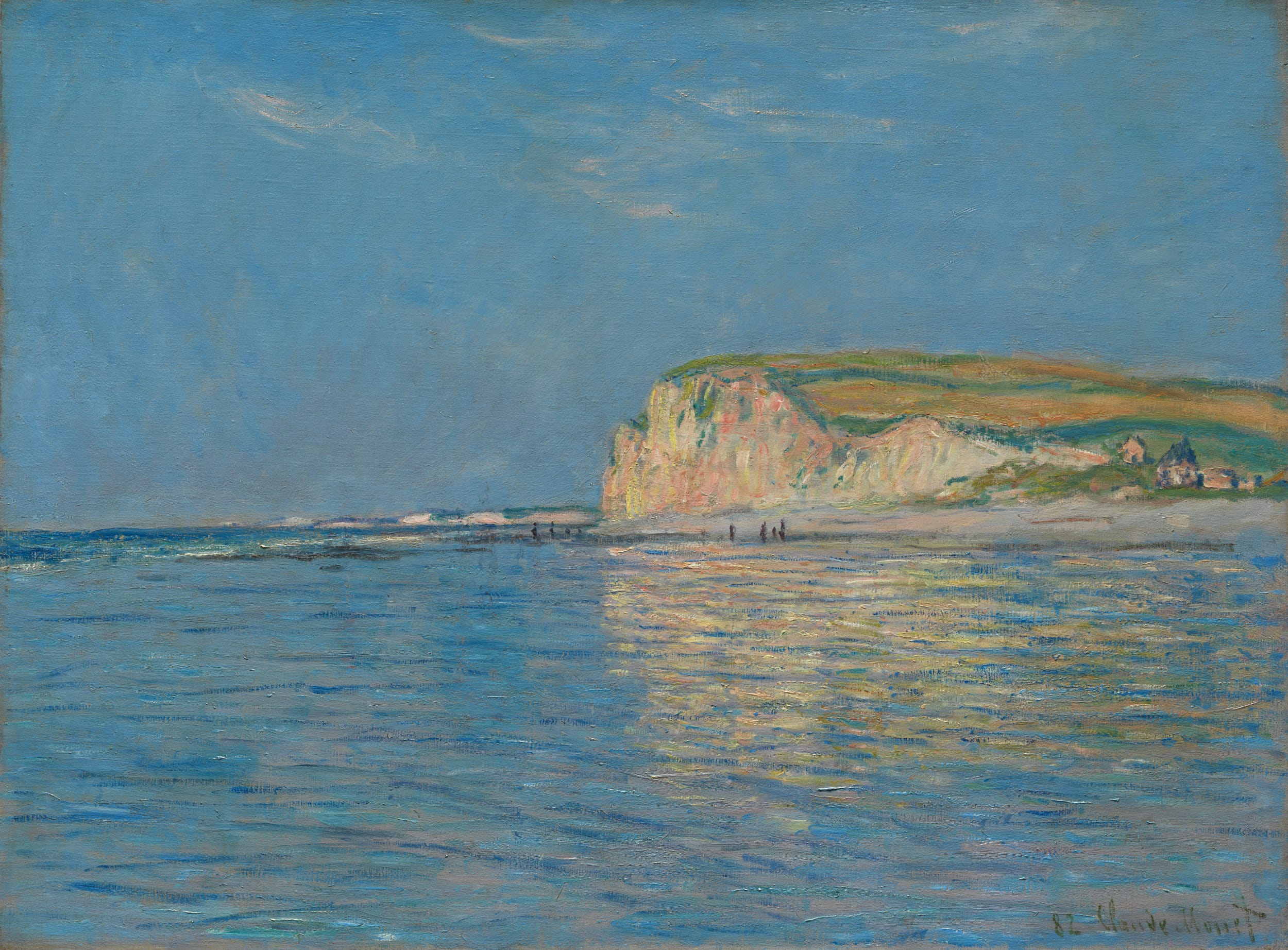
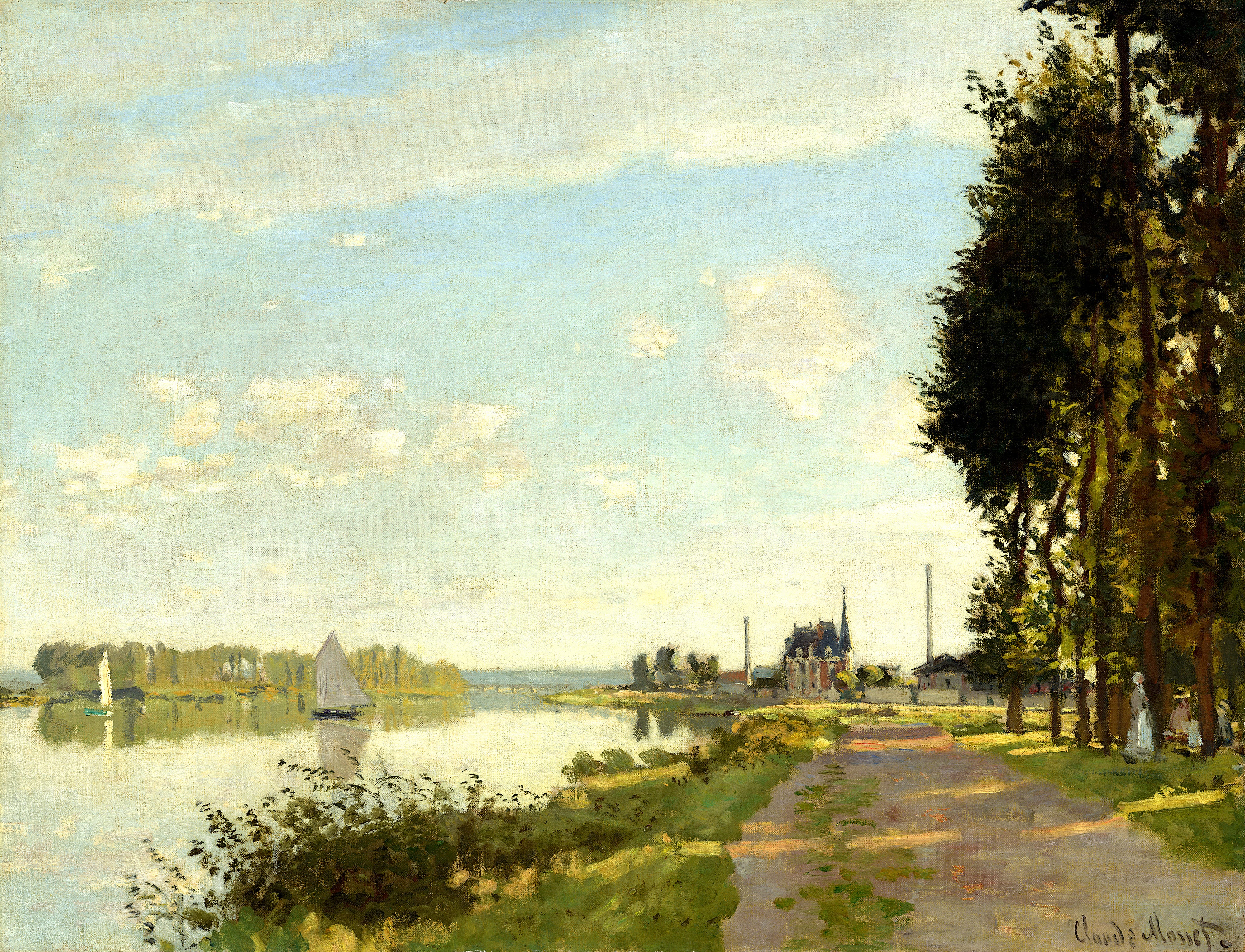
An apple for the road
In 1871, Claude Monet settled with his family in Argenteuil, where he entered a remarkably productive period, eventually painting more than 250 works there. These were difficult years, and friends such as the artist Caillebotte helped him pay the rent. For a long time, Monet was not exactly known for his generosity either. After a trip to Italy, during which all his hotel stays and restaurant meals had been paid for, he thanked his host with an apple. And that, apparently, was that…
After eight years in Argenteuil, Monet moved with his family to Vétheuil, a little further along the Seine, where dark clouds soon gathered over the household. It was here that the painter lost his first wife, Camille Doncieux, who was only 32 at the time. Yet despite financial worries and this devastating loss, Monet found an inexhaustible source of inspiration in the surrounding landscapes and painted as never before. He also continued to travel to Paris, where he met art dealers, collectors and critics, all essential to his career.
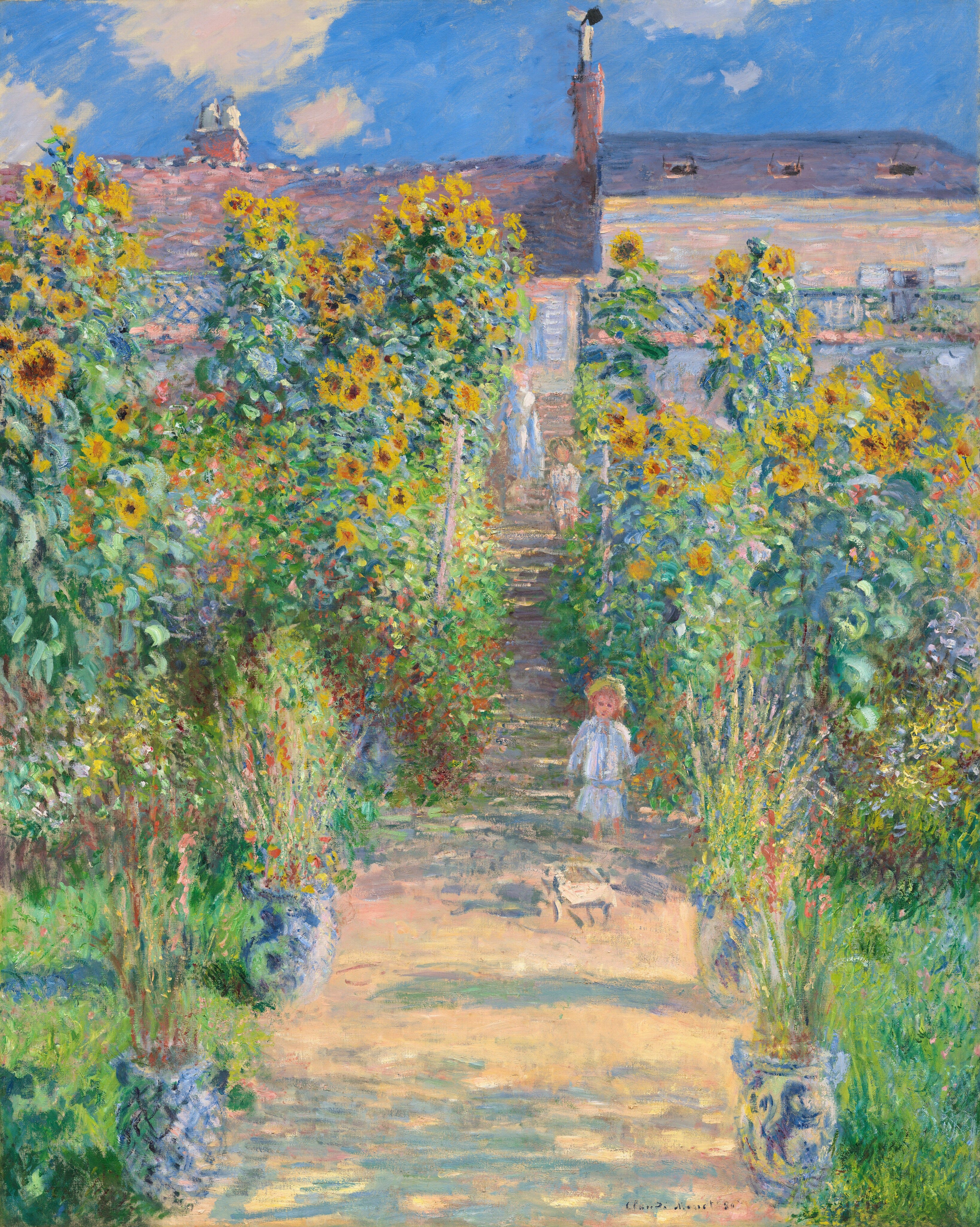
Giverny
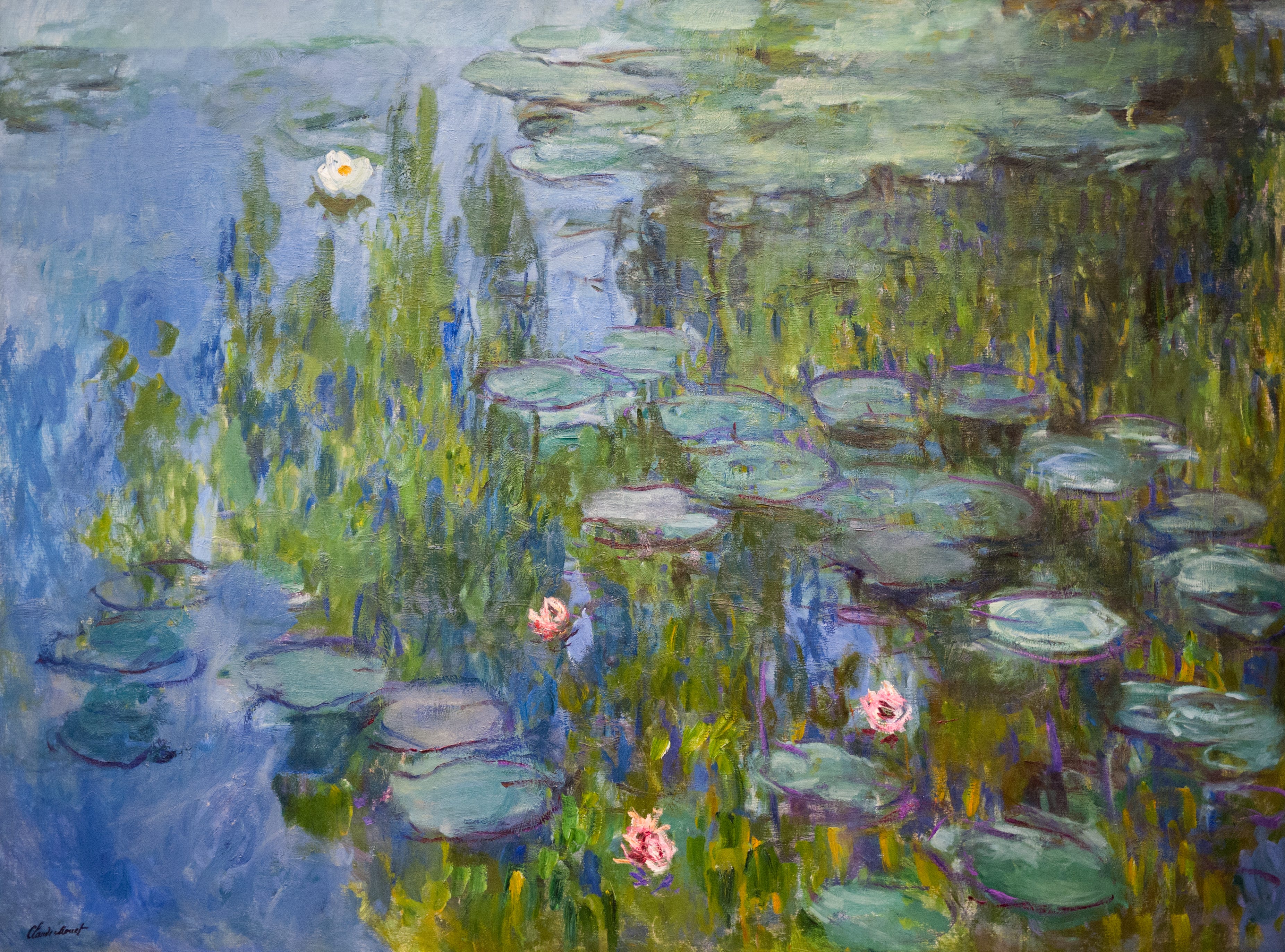
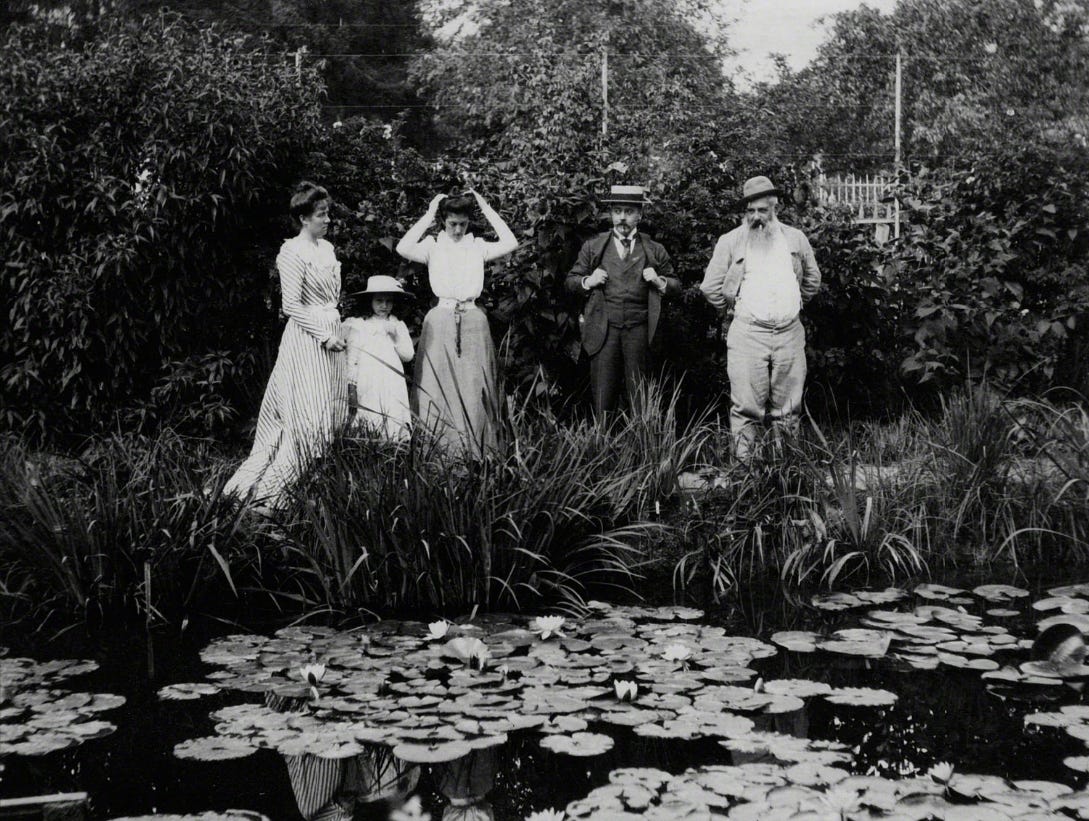
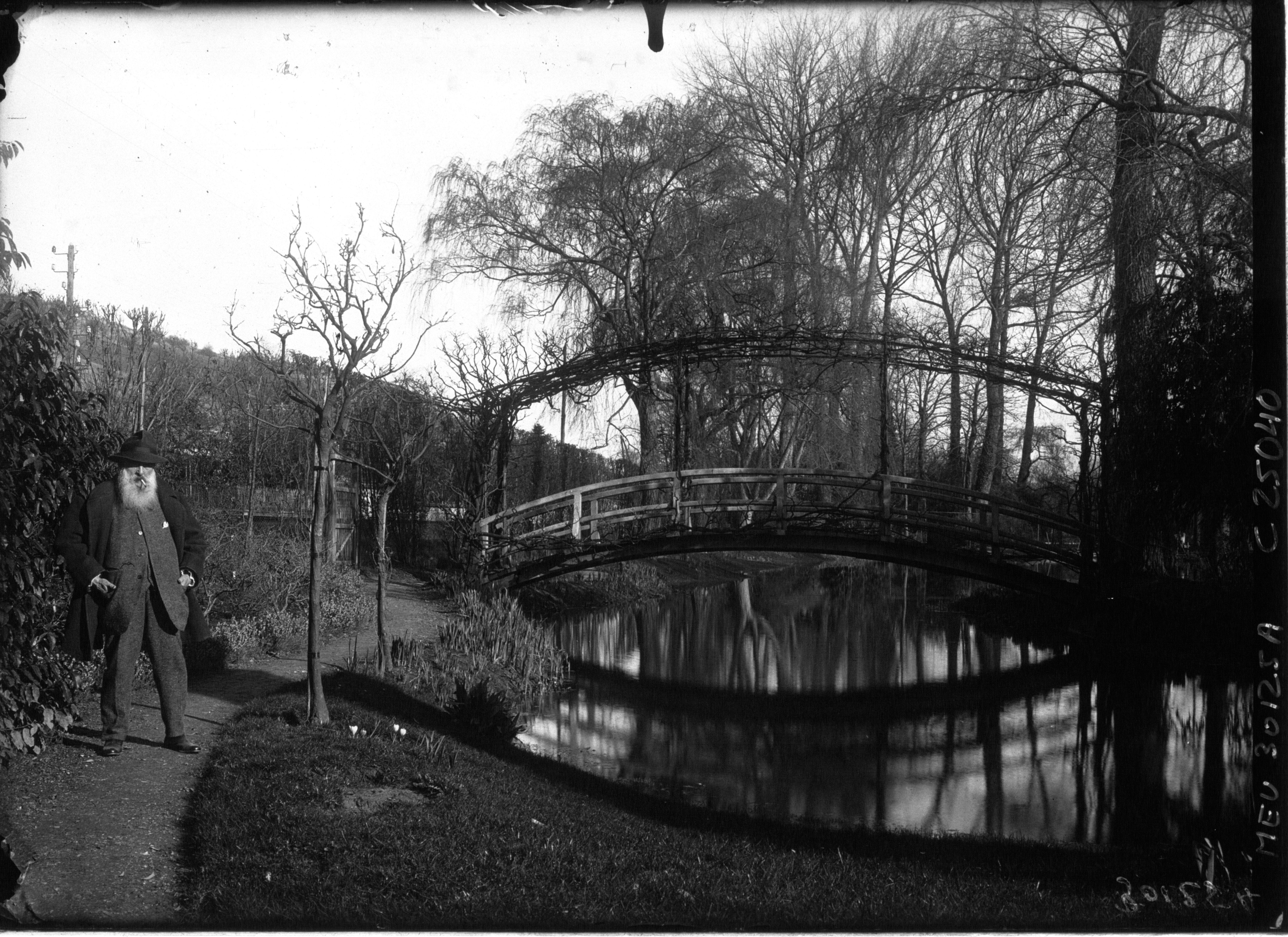
But to speak of Monet is, inevitably, to speak of Giverny. In this picturesque village, which now welcomes around 750,000 visitors a year, stands the house with the famous water lily pond created by the painter himself. After Camille’s death, Monet was not alone for long. A few years earlier, he had met Alice, the wife of Ernest Hoschedé, an art collector who supported Monet’s work. After Camille’s death, Alice soon became his life partner. In 1883, the blended family- Alice had six children and Monet two- moved into the house in Giverny. The house quickly became a lively meeting place, and Monet would never leave it again. Friends and family were always coming and going, gathering for long meals and walks through the garden.
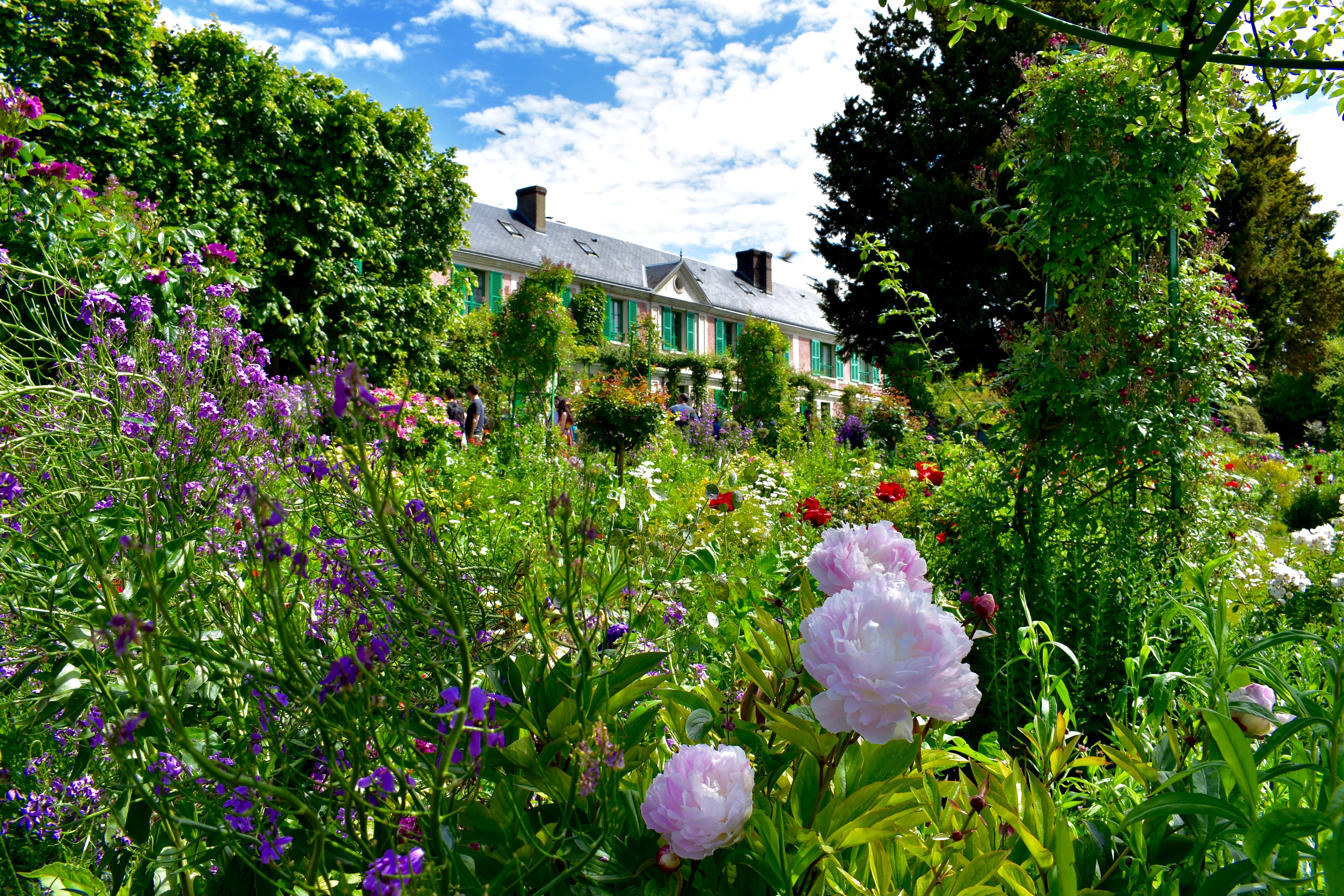
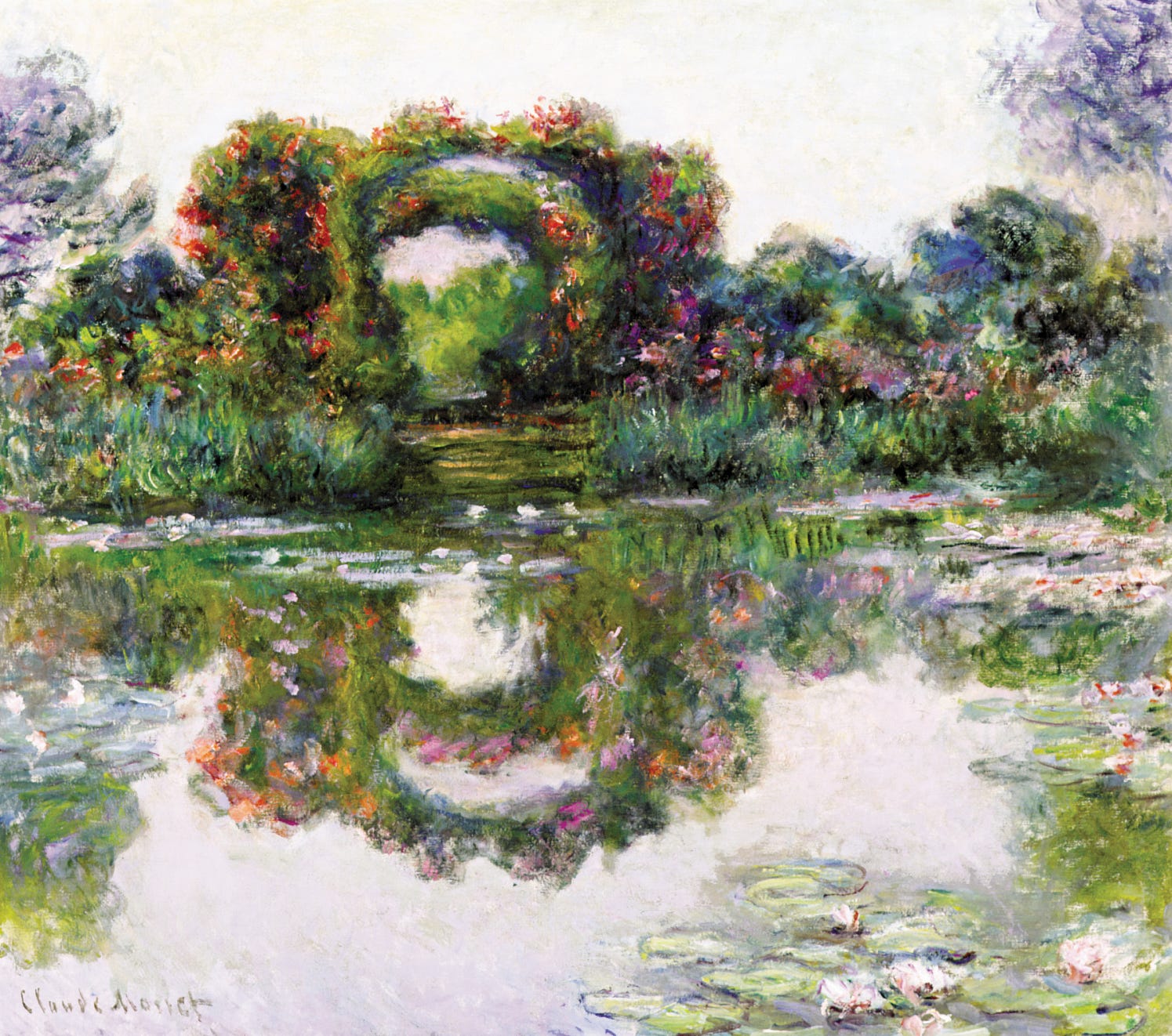
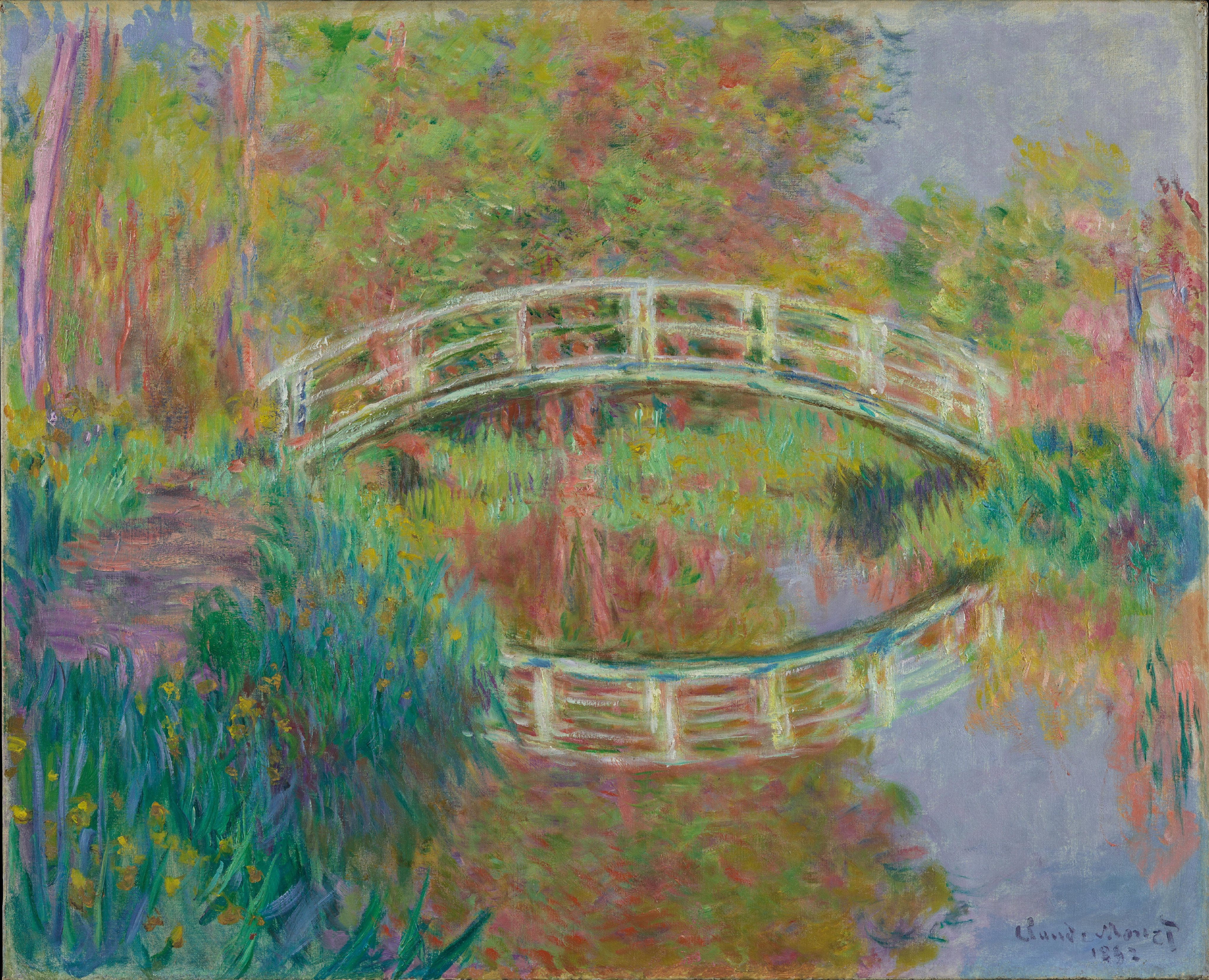
Anyone visiting the gardens today, with the water lily pond and the Japanese bridge, sees them much as Monet intended, as they are still maintained according to his original plans. It was also here that Monet perfected his work in series. What began with the Meules (haystacks) and Peupliers (poplars) series eventually became a series of no fewer than 250 paintings: the Nymphéas, or water lilies. Over the years, Monet seems to have become a little more generous too. After the First World War, he donated several paintings from the water lily series to the French state, forming the basis of the Salle des Nymphéas at the Musée de l’Orangerie.
À table
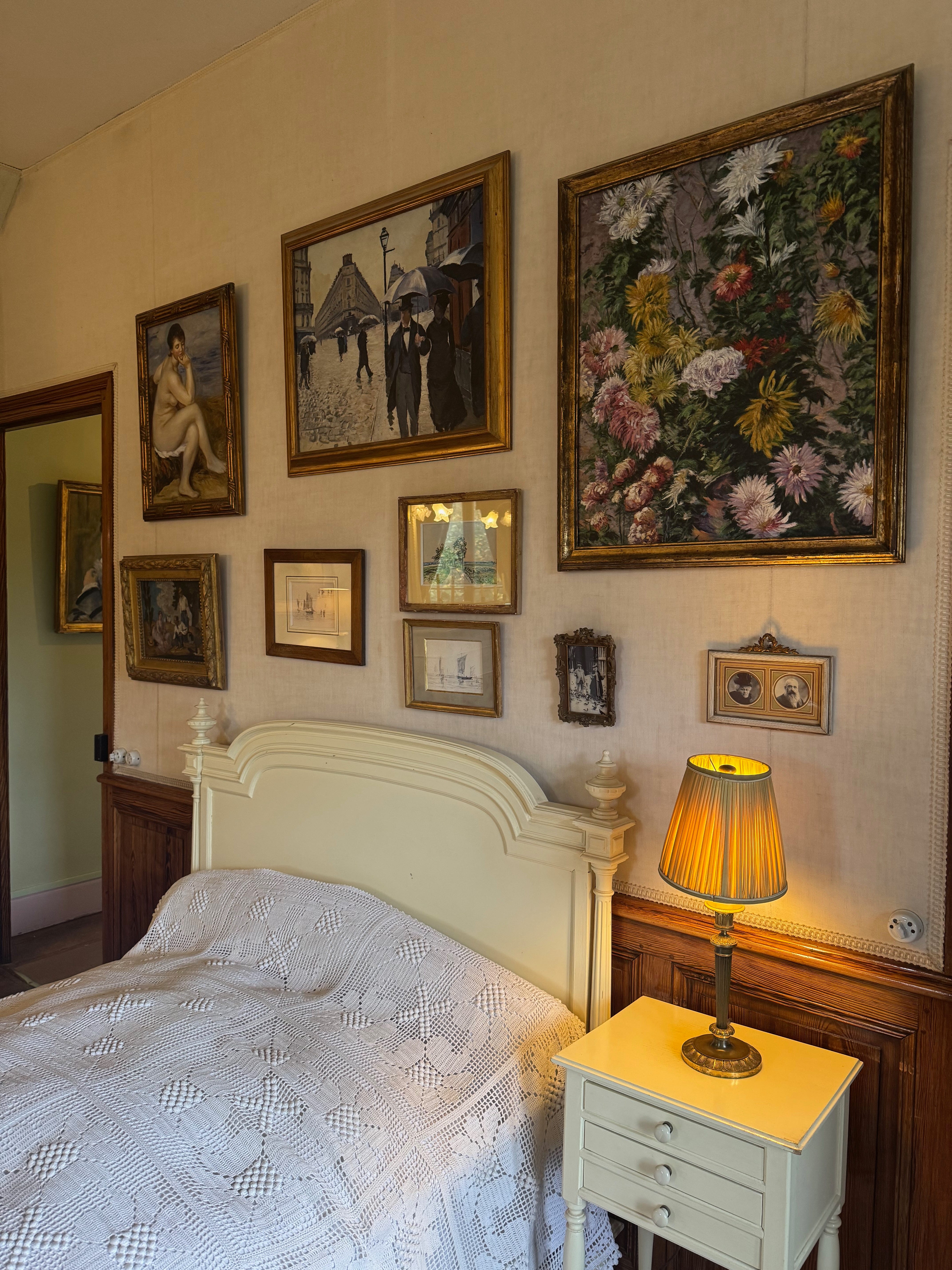
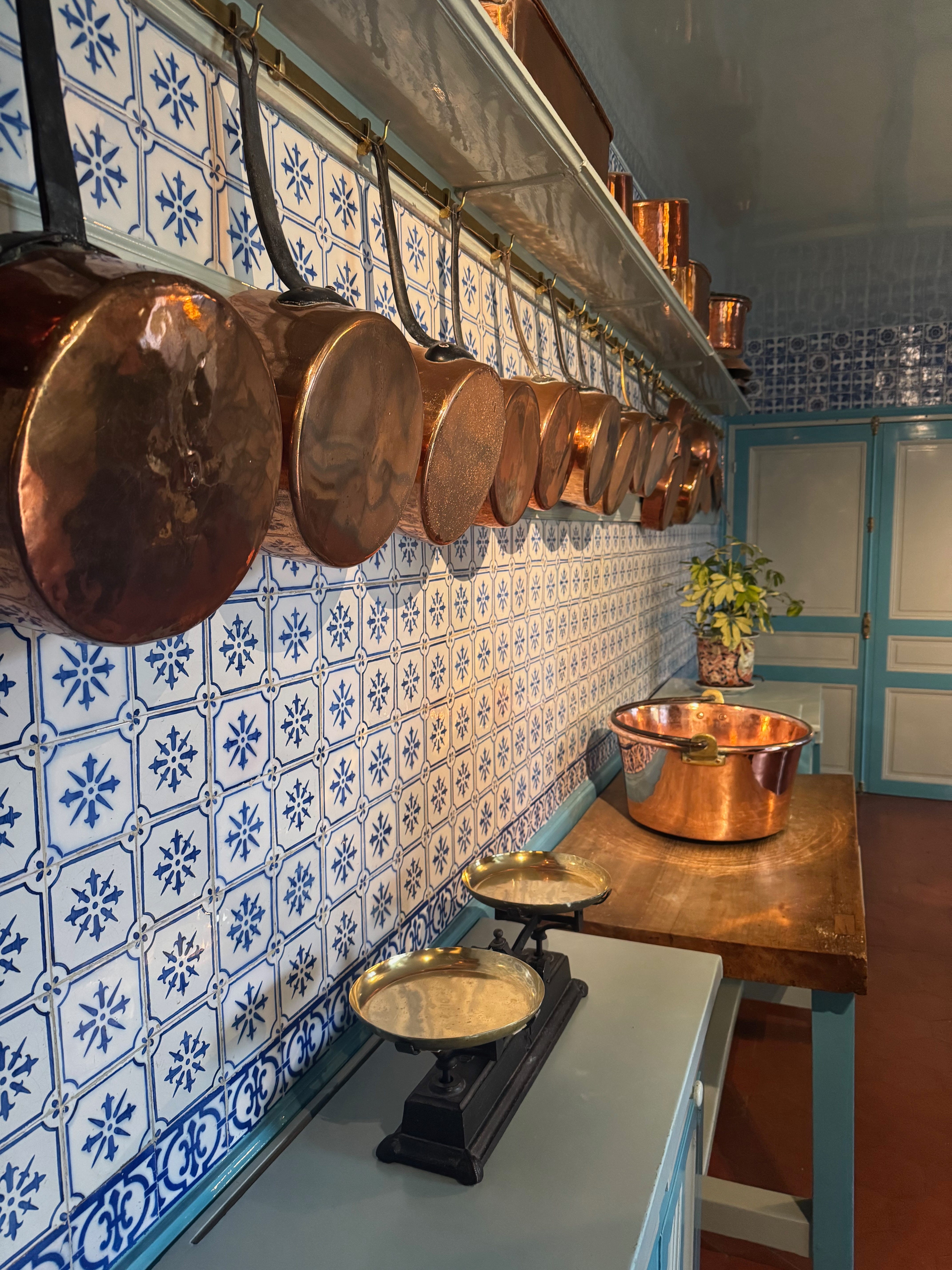
Of course, a visit to Giverny means being swept up in Monet’s most beautiful works, but my personal Giverny top three also includes the bright yellow dining room and the kitchen, with its blue-and-white carreaux de Rouen tiles on the walls. For a long time, Monet was hardly rolling in money, but in Giverny, that began to change. He discovered the pleasures of good food, and Alice Hoschedé played a major part in this. She came from a wealthy family and brought with her a culture of refinement and hospitality, which Monet embraced completely. Picnics with foie gras and good wine, or a drive of several hundred kilometres to Lamotte-Beuvron for a Tarte Tatin made by the famous sisters, were not unusual.
The dining room, then, was an important part of Monet’s way of life, but still within the artist’s strict daily schedule. Breakfast was served at six in the morning, often with andouillette and a glass of white wine, mind you, followed by lunch at half past eleven and dinner at seven in the evening. Alongside Alice and the children, relatives, friends and other guests regularly joined the table. Among them were artists such as Pierre-Auguste Renoir and Paul Cézanne, and of course Georges Clemenceau, the politician who became one of Monet’s most loyal friends.
Holiday tips
In Monet’s Footsteps
Flowering fields, riverbanks, beaches and cliffs: many of the landscapes Monet painted in Île-de-France and Normandy are still recognisable today. And what brings you closer to Monet than visiting those places yourself? Exactly.
In the nineteenth century, the railways carried the Impressionists to new places, and today you can still travel easily by train from Paris, via Gare Saint-Lazare, to Rouen, Le Havre or Vernon-Giverny. If you want to take things more slowly, you can follow Monet’s trail by bike or on foot. Try La Seine à Vélo, the Chemins des Impressionnistes, the GR route La Seine impressionniste or the GR®21. Along the way, you’ll discover the landscapes that inspired him: from Chatou, Vétheuil and Giverny to Rouen Cathedral, the beaches around Le Havre and the cliffs of the Côte d’Albâtre, including those at Étretat.
Exhibitions around the Monet Centenary
This year, Normandy and Île-de-France are marking the so-called Centenaire Claude Monet, honouring 100 years since the painter’s death. There are dozens of exhibitions and events exploring Monet’s work. These are the exhibitions I think are worth seeing:
La nature n’est pas un décor
Maison Caillebotte Yerres, until 18 Octobre
The exhibition brings Claude Monet’s work into dialogue with contemporary artists previously associated with Maison Caillebotte. Together, they explore how nature can be painted as an experience: not as a backdrop, but as a force that resists easy capture.Histoires de paysages. De Monet à Hockney
Musée Marmottan Monet Paris, 24 September until 31 January 2027
A journey through landscape painting from Monet to Hockney. The Marmottan is not to be missed on any Monet tour: it holds the world’s largest Monet collection, including Impression, soleil levant.Monet, peindre le temps
Musée de l’Orangerie Paris, 30 September 2026 until 25 January 2027
On how Monet tried to capture time, light, and change through forty works, from his famous series of haystacks, poplars, and Rouen Cathedral to the monumental Nymphéas.
~ Fin
Introducing Contributor Suzanne Rietmeijer
Visit her Contributor Page — Explore more of Suzanne’s work
MyFrenchLife™ – MaVieFrançaise® is a reader-supported publication. To receive new posts and support my work, consider becoming a free or paid subscriber.