The Grandmother’s Yarn
 Tomas k - Senior News Editor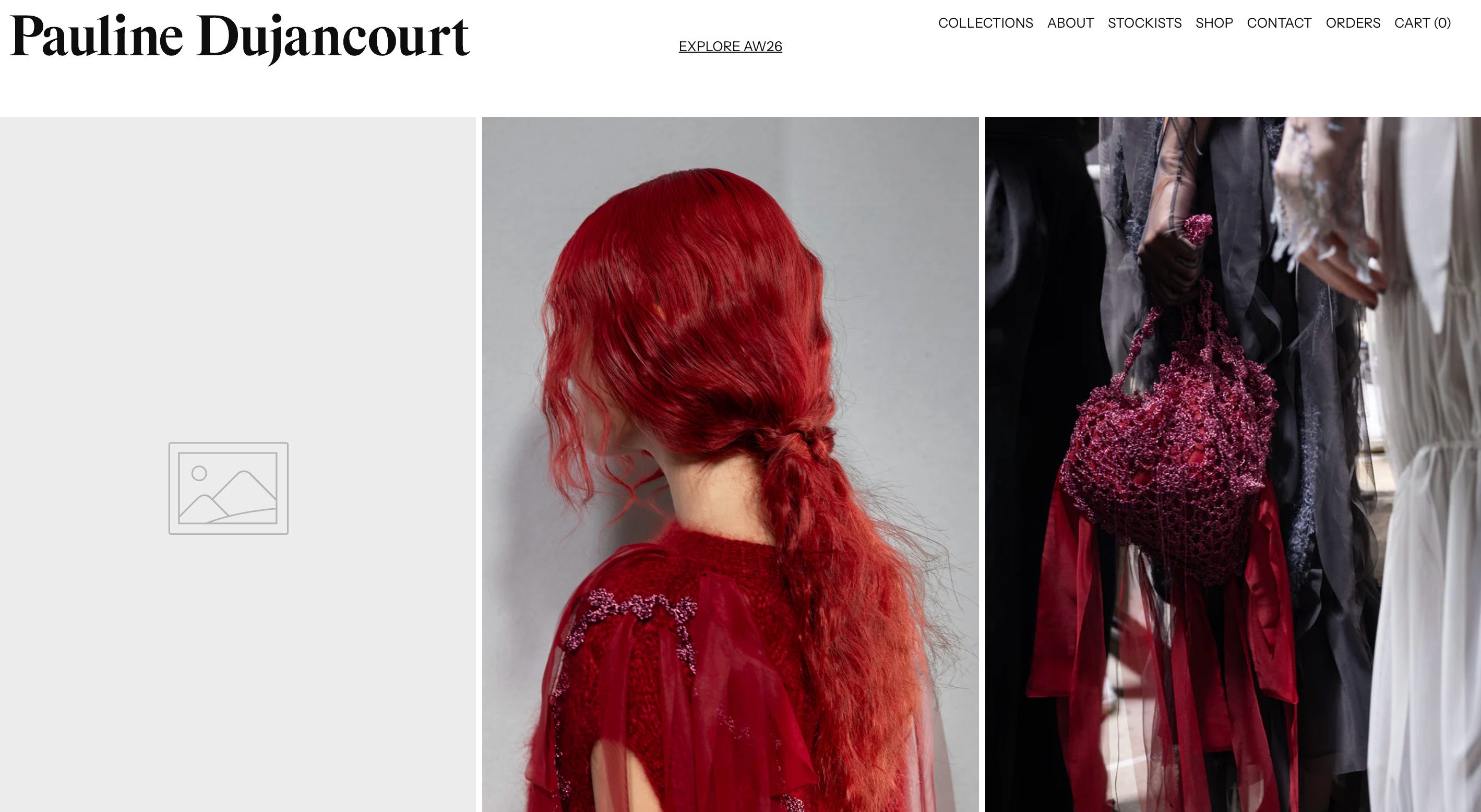
Something catches my attention, almost always sideways. Regular readers know what I mean by that.
It’s not usually the headline. A single line, mentioned once in something I was reading for a completely different reason, and never brought up again for the rest of the piece.
That’s how Pauline Dujancourt found her way onto my shelf. One sentence, almost thrown away: something about hating to knit. I went digging expecting the usual dry gully, a young designer with decent press, and nothing much underneath. And then it wasn’t dry at all.
Originally from Paris, she’s thirty-one now and working out of London. Later, Dujancourt was a LVMH Prize finalist, and Dover Street Market stocks her. None of that’s the part that caught my attention; that came later.
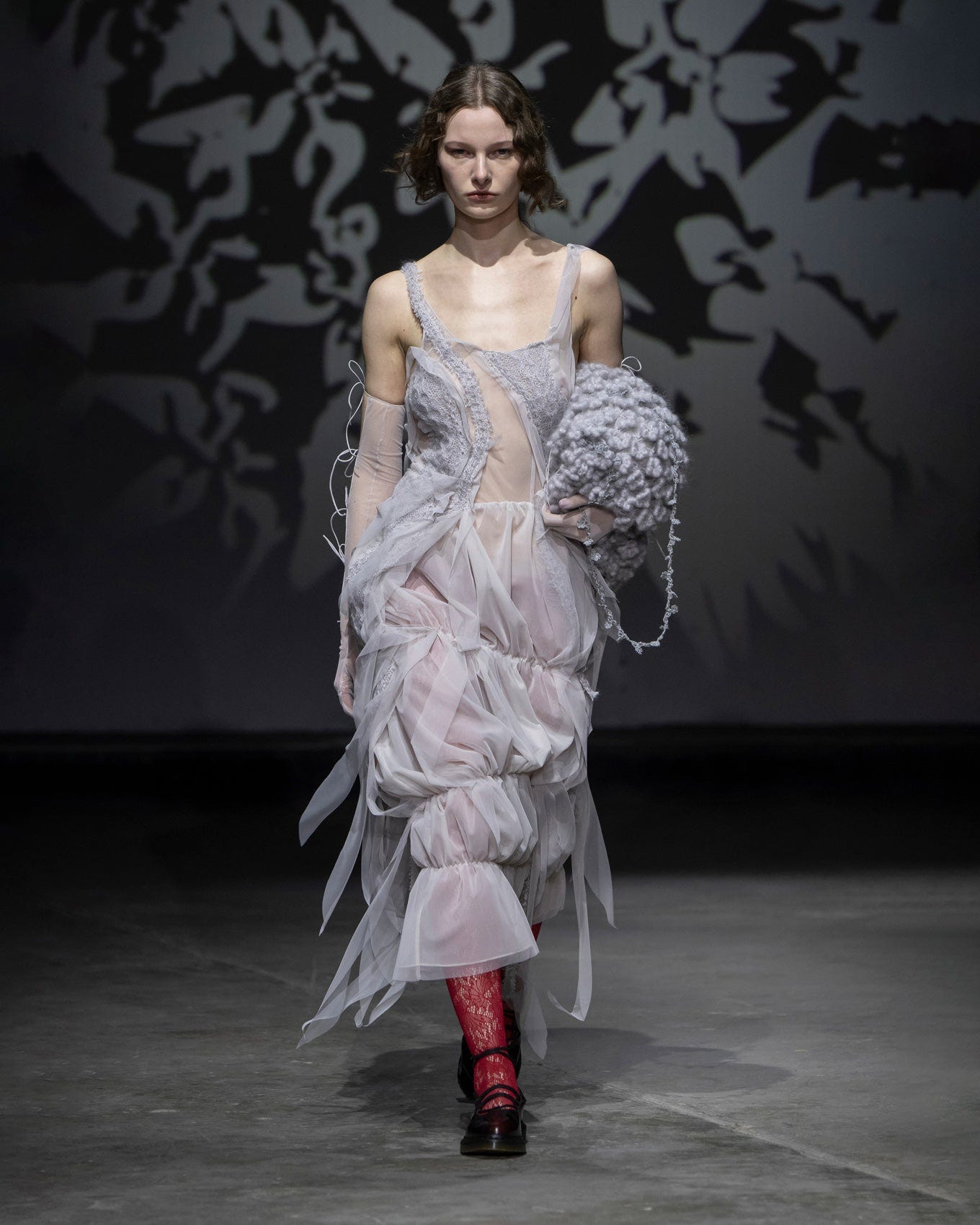
Pauline Dujancourt, AW25, “Everything is Moving, Nothing Feels Safe.” Image: paulinedujancourt.com
She learnt to knit as a child, the way plenty of French girls still do, sitting near a grandmother for whom it wasn’t a hobby so much as a language. And she hated it. Properly hated it, by her own account. Heavy, she thought. Dusty. The sort of thing done between naps.
She started at the École Duperré in Paris, then attended the London College of Fashion. Later, Dujancourt went to Central Saint Martins, and at every turn she steered as far from knitwear as the curriculum allowed. Womenswear. Anything but the needles
Then Paris shut its doors in 2020, the way cities did, and Dujancourt found herself alone in an apartment with nothing much to do and, as it happened, a box of her grandmother’s old yarn was within reach.
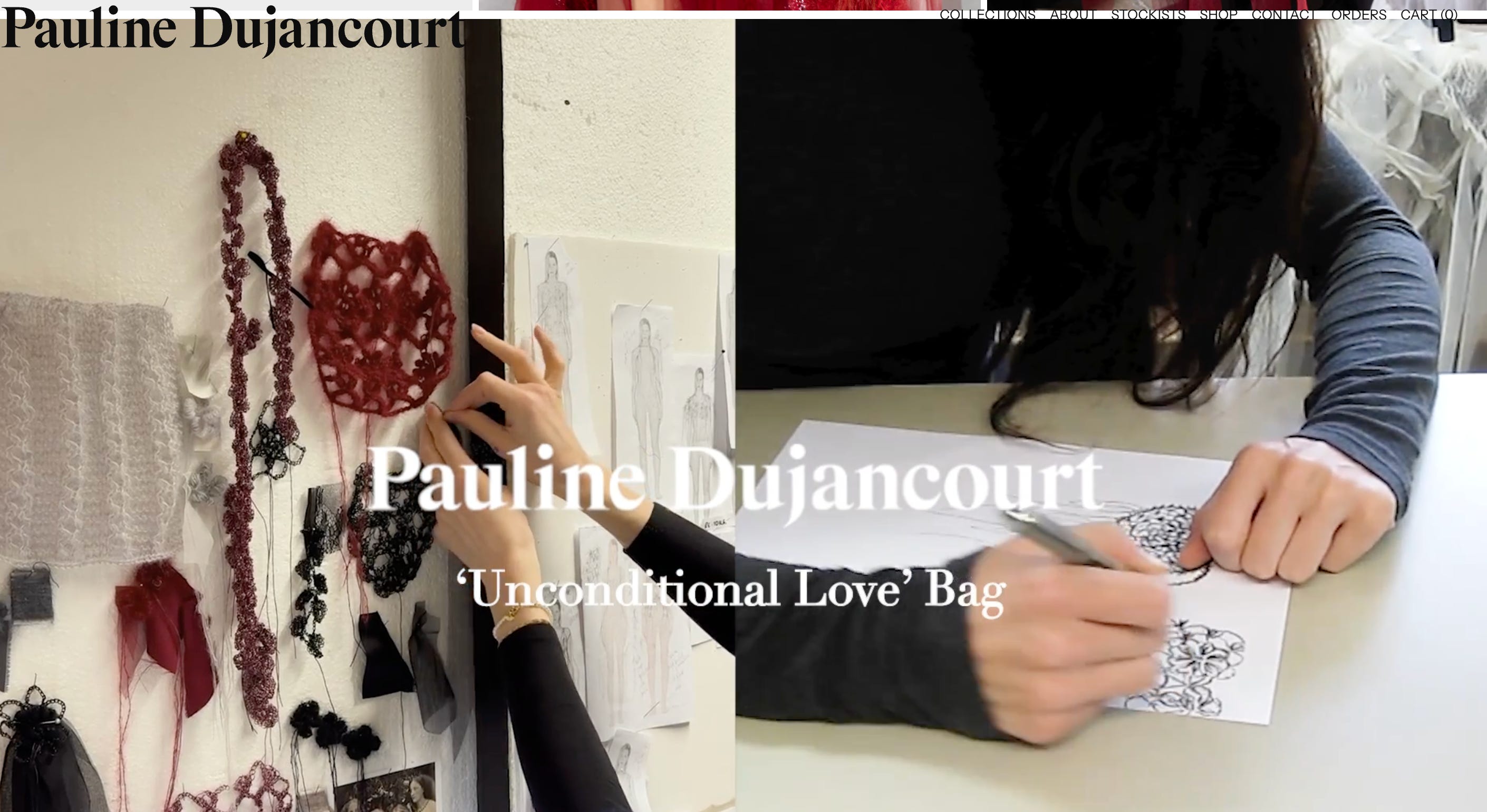
What she did with it is the bit I love.
She didn’t simply pick the knitting back up out of boredom. No, she went looking for the hardest techniques she could find on YouTube. And they were even in languages she didn’t speak a word of.
“I’m talking about hours watching Turkish women doing crochet work,” she has said of those months. “Couldn’t understand a word. Just watched their hands. Pause, rewind, pause, rewind.”Maybe if I don't like it, I can find a way to make it fit my own aesthetics, she has said of the logic behind it. Not maybe grandmother was right. Something closer to a negotiation.
There’s something quite bloody-minded in that, and I mean that with real admiration. “Maybe if I don’t like it, I can find a way to make it fit my own aesthetics, “ she has said of the logic behind it. Not maybe grandmother was right. Something closer to a negotiation. I’ll take this thing you handed me, and I will bend it, stitch by stitch, until it answers to me.
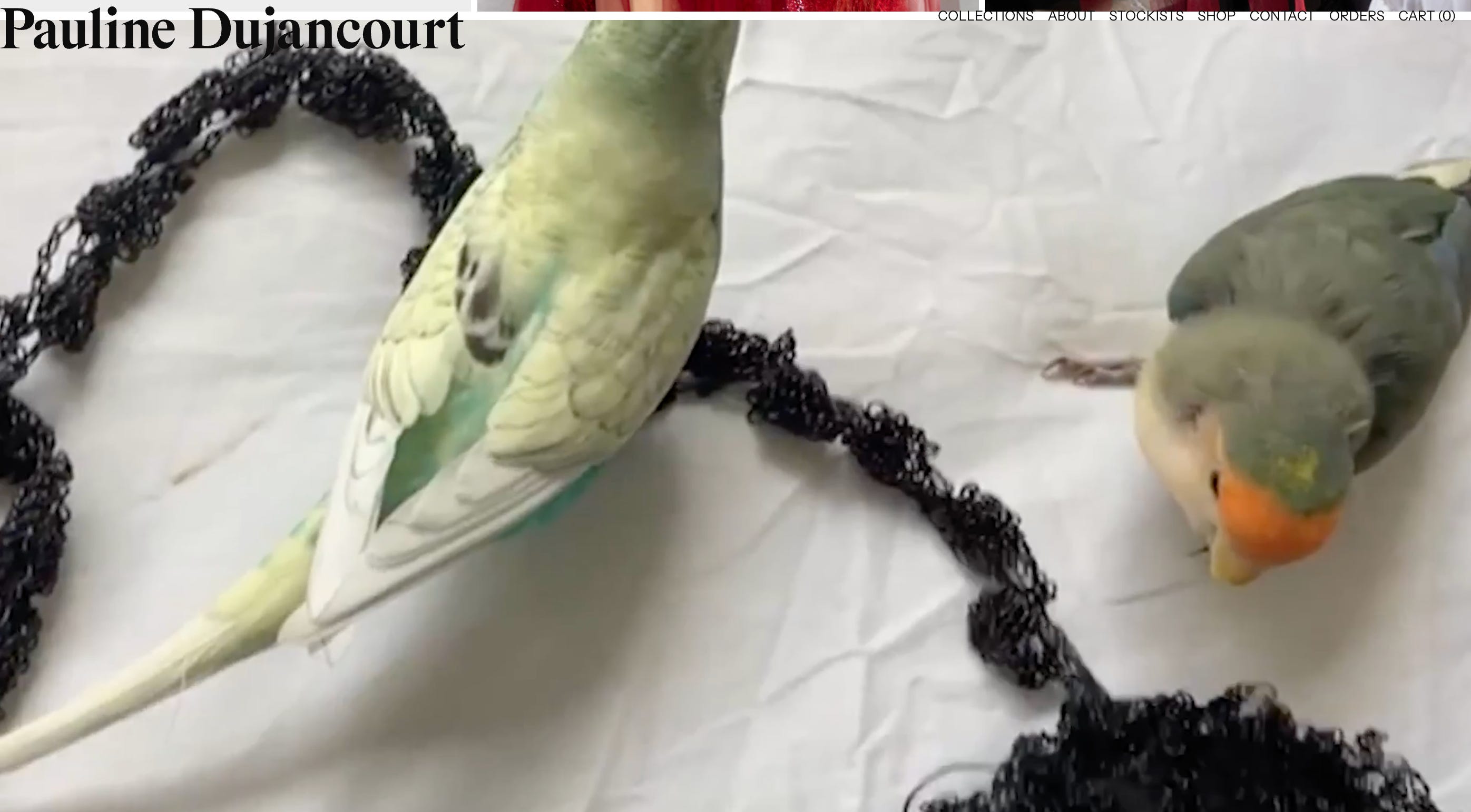
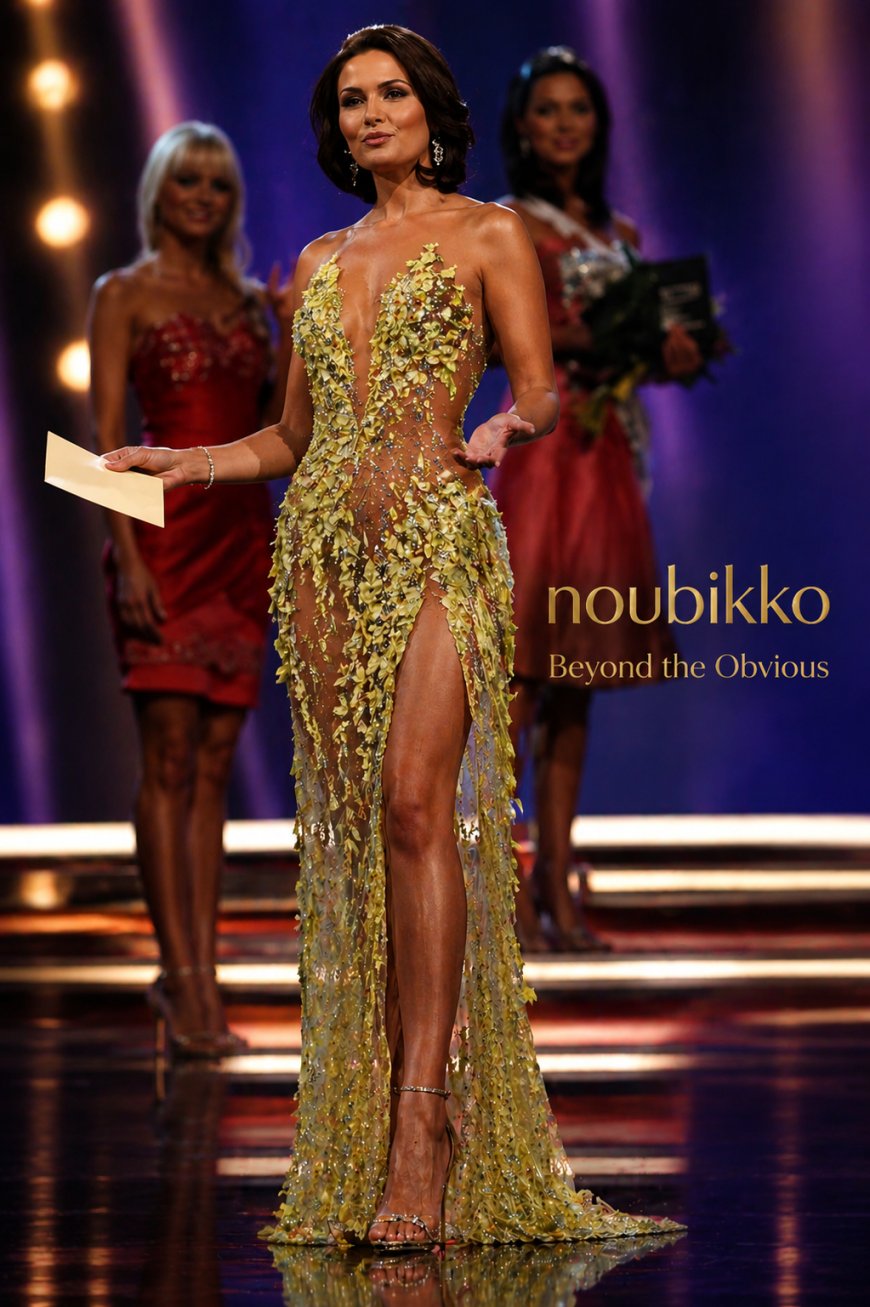
Four years on, that negotiation has produced work I genuinely didn’t expect from a description of “knitwear.” A mini dress built from a hundred and fifty individual crochet flowers, each one attached by hand. Jumpers left deliberately asymmetric, trailing ribbon and crochet as though caught mid-unravelling, except the unravelling is the most carefully finished part of the whole garment.
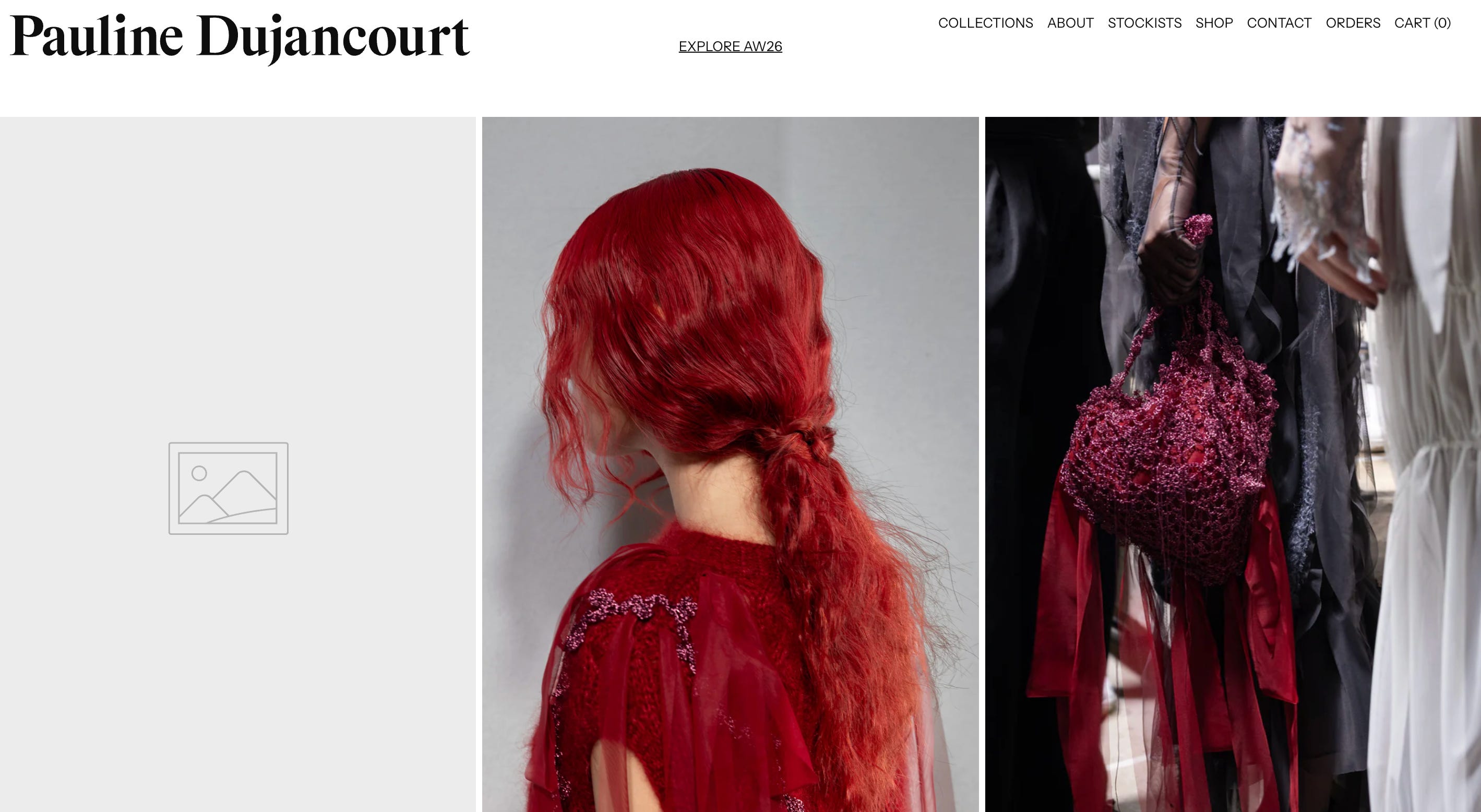
“I like to disturb the knit, disturb the technique,” she says. “Deconstruct things. Have things falling out, asymmetrical. But also super well finished. I want to create something beautiful, but also disturbing.”
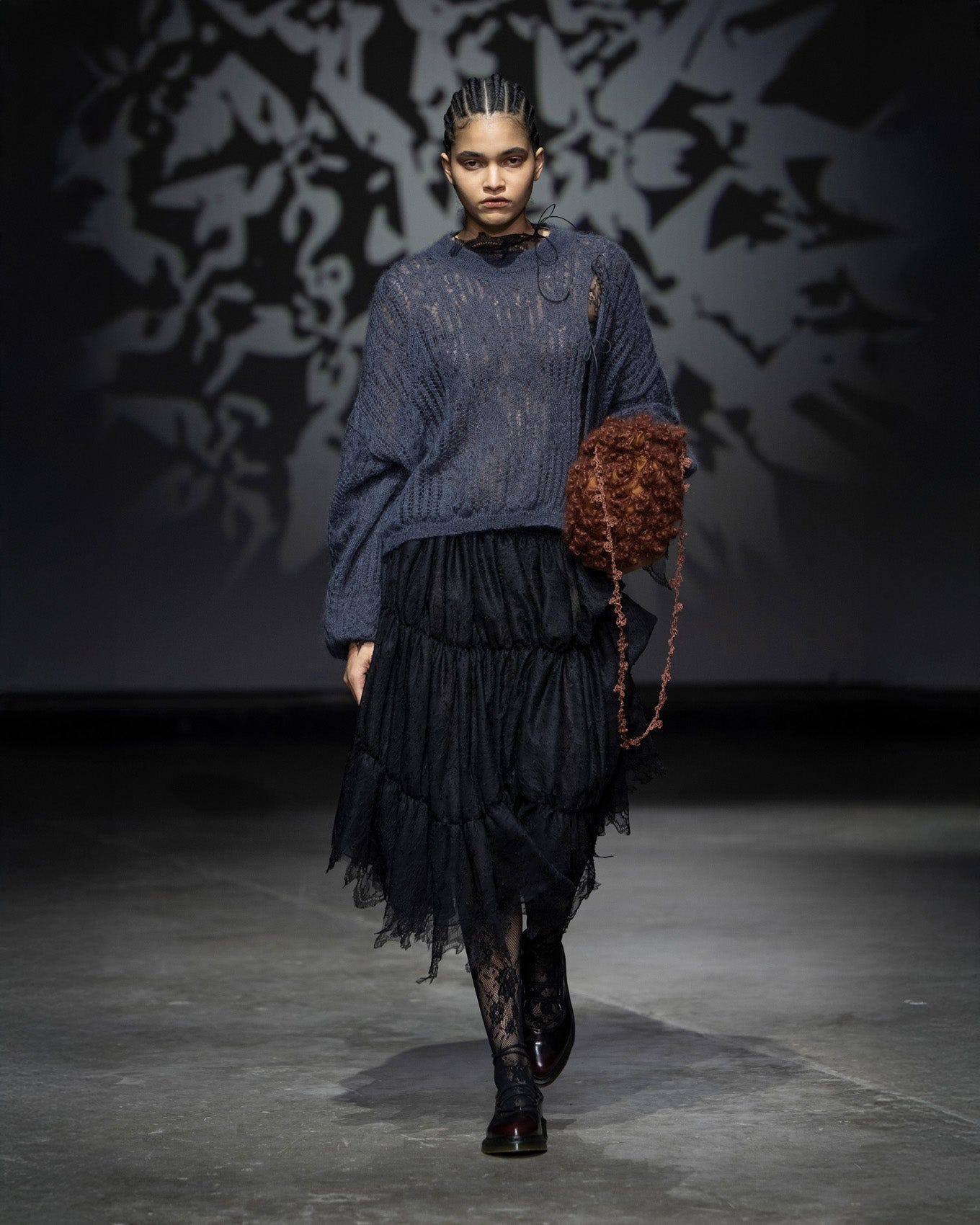
AW25. Image: paulinedujancourt.com
I read that line three times before I understood why it was nagging at me. It isn’t really a design philosophy. It’s what happens when someone spends years resenting a craft and then finally sits down with it on entirely different terms.
There's more to this than a fashion profile — the thread runs all the way back through a rationed magazine behind a wall that came down before Dujancourt was born. That's the part I want to tell you.